

 English
 русский
 Español
Content
- 1 Overview of Metal Switching Power Supply Housing
- 2 Design Considerations for Metal Switching Power Supply Housings
- 3 Material Selection for Metal Switching Power Supply Housings
- 4 Customization Options for Metal Switching Power Supply Housings
- 5 Manufacturing Process of Metal Switching Power Supply Housings
- 6 FAQ
- 7 Conclusion
In modern electronic systems, the importance of robust and reliable power supplies cannot be overstated. A power supply ensures the efficient operation of devices, providing the necessary energy for components to function optimally. One of the most critical elements in a power supply’s design is the enclosure that houses the power unit—this is where metal switching power supply housing plays a vital role. Metal housings are essential for safeguarding the internal components from environmental factors, ensuring durability, and improving overall performance.
Overview of Metal Switching Power Supply Housing
What is Metal Switching Power Supply Housing?
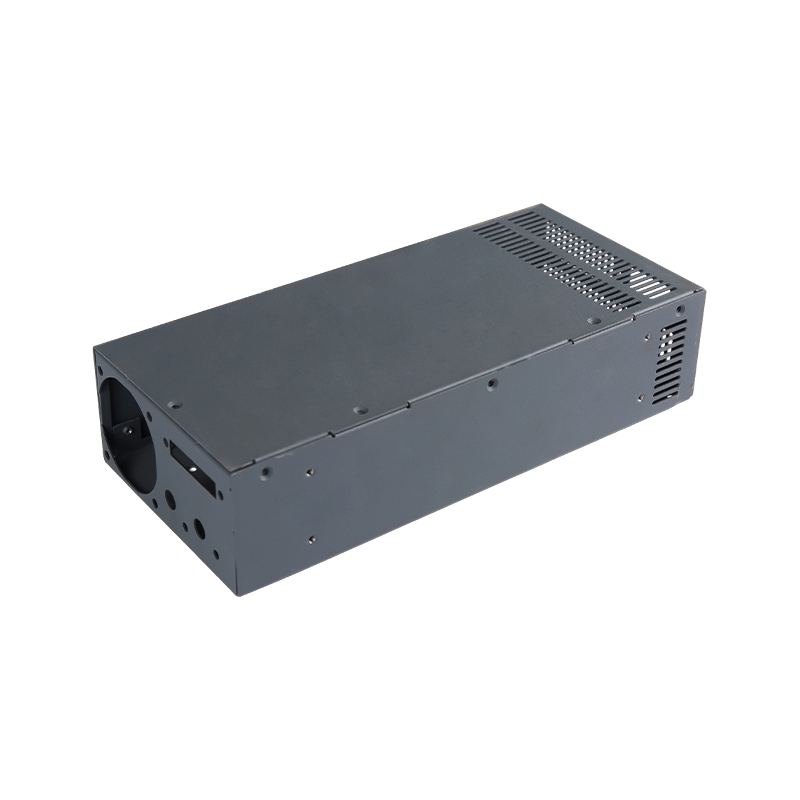
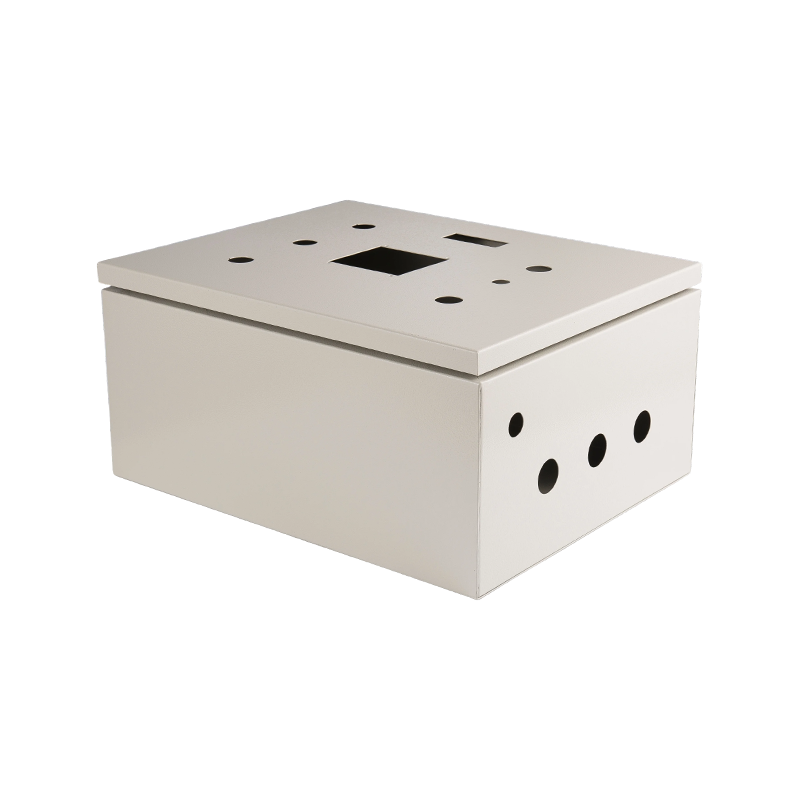
A metal switching power supply housing is an enclosure that houses the internal components of a switching power supply. These housings serve several essential functions, such as protecting the power supply from external elements (like dust, moisture, and debris), providing thermal management through heat dissipation, and ensuring the mechanical protection of the power components.
Switching power supplies are used in various applications, including consumer electronics, industrial equipment, automotive systems, and medical devices. Metal enclosures are preferred in these applications because they offer superior durability, heat management, and electromagnetic shielding compared to plastic alternatives.
Key Functions of Metal Switching Power Supply Housing
- Protection: Metal enclosures protect the internal components of the power supply from physical damage, contamination, and external environmental factors.
- Heat Dissipation: One of the most critical aspects of any power supply design is the effective dissipation of heat. Metal enclosures have superior thermal conductivity properties, which help dissipate heat from the components inside.
- Electromagnetic Shielding: Metal housings also provide shielding against electromagnetic interference (EMI), which is essential in maintaining the stability and performance of sensitive electronic circuits.
Design Considerations for Metal Switching Power Supply Housings
Heat Dissipation in Power Supply Housings
Effective heat dissipation is one of the primary design considerations when creating a metal switching power supply housing. As power supplies convert electrical energy from one form to another, heat is generated due to inefficiencies in the conversion process. Without proper heat management, the components inside the power supply can overheat, leading to failure or reduced lifespan.
Metal enclosures, such as those made from aluminum alloys or steel, offer excellent thermal conductivity, ensuring that heat is effectively dissipated from the power components. In many designs, the housing may incorporate features such as heat sinks or ventilation holes to further enhance heat dissipation.
| Design Feature | Description | Benefit |
|---|---|---|
| Heat Sinks | Fins or plates designed to absorb and dissipate heat | Improved thermal efficiency |
| Ventilation Holes | Small perforations in the housing that allow airflow | Increased cooling through natural convection |
| Conductive Materials | Materials with high thermal conductivity like aluminum | Faster heat transfer away from components |
Protection Against External Factors
Protection is another crucial aspect of metal switching power supply housings. These enclosures protect against several external factors, including:
- Dust: In industrial environments, power supplies are often exposed to dust and debris, which can interfere with the operation of internal components. Metal enclosures offer a sealed environment that prevents contaminants from entering the housing.
- Moisture: Exposure to moisture can lead to short circuits and other electrical failures. Many metal housings feature an IP rating, which indicates their resistance to water and dust ingress.
- Physical Damage: The metal casing provides physical protection from impacts, ensuring that the power supply components remain intact even in rugged environments.
Size and Weight Considerations
While protecting the internal components and ensuring heat dissipation, the size and weight of the housing must also be considered. A housing that is too large can result in wasted space, increasing the overall size of the power supply unit. On the other hand, a housing that is too small may compromise the safety and efficiency of the power supply. A balance must be struck between offering sufficient protection and maintaining a manageable size and weight.
| Design Factor | Impact on Performance |
|---|---|
| Housing Size | Must be large enough to allow proper airflow and heat dissipation |
| Housing Weight | A heavier housing offers more durability but may increase shipping costs |
| Component Layout | Efficient internal layout ensures space optimization without sacrificing performance |
Material Selection for Metal Switching Power Supply Housings
The material chosen for the metal switching power supply housing plays a crucial role in determining its overall performance. Different metals have varying properties, and the material selection depends on factors such as durability, thermal conductivity, cost, and environmental resistance.
Aluminum Alloys
Aluminum is one of the most commonly used materials for power supply housings due to its excellent thermal conductivity and lightweight nature. It is particularly favored in applications where heat dissipation is critical, and the power supply needs to be lightweight for ease of integration into portable devices. Aluminum alloy housings are also relatively cost-effective, making them a popular choice for consumer electronics.
Stainless Steel
Stainless steel is another common material for metal power supply housings, particularly in applications requiring superior corrosion resistance. It is often used in harsh industrial environments, where the power supply may be exposed to chemicals, moisture, or extreme temperatures. While stainless steel is heavier than aluminum, it offers unmatched protection and is highly durable in tough environments.
Steel
For more cost-effective solutions, steel is sometimes used, especially for power supplies that do not need to withstand harsh environmental conditions. Steel enclosures are often used for low- to mid-range applications, offering good physical protection at a lower cost compared to aluminum and stainless steel. However, steel has lower thermal conductivity and may require additional cooling features.
| Material | Pros | Cons | Common Uses |
|---|---|---|---|
| Aluminum Alloy | Lightweight, excellent heat conductivity | Higher cost | Consumer electronics, portable devices |
| Stainless Steel | Strong, corrosion-resistant | Heavier, more expensive | Industrial equipment, outdoor power supplies |
| Steel | Cost-effective, strong | Poor thermal conductivity, prone to rust | Budget-friendly power supplies for standard applications |
Customization Options for Metal Switching Power Supply Housings
The demand for custom metal switching power supply housings has increased in recent years, driven by the growing need for tailored solutions in various industries. Customization allows manufacturers to meet specific requirements for size, shape, heat dissipation, and other design elements.
Custom Sizes and Shapes
Many industries require custom-sized enclosures to fit specific power supply units or to meet spatial constraints in their devices. Customized sizes help optimize the power supply’s integration into larger systems, minimizing wasted space and ensuring a neat, efficient design.
Specialized Cooling Systems
Certain applications, particularly those involving high-performance power supplies, require more advanced cooling solutions. Custom power supply housings can be designed to include features like enhanced heat sinks, ventilation grilles, or even active cooling systems like fans or liquid cooling.
Unique Surface Finishes
To meet aesthetic requirements or improve durability, some industries opt for custom surface finishes. This includes anodized finishes for aluminum, powder coating, or electroplating for corrosion resistance and improved appearance.
| Custom Feature | Benefit | Applications |
|---|---|---|
| Custom Sizes & Shapes | Fit specific devices and optimize space | Medical devices, specialized electronics |
| Advanced Cooling | Better heat dissipation in high-power applications | Industrial equipment, high-performance computing |
| Surface Finishes | Improve durability and appearance | Consumer electronics, outdoor power supplies |
Manufacturing Process of Metal Switching Power Supply Housings
Metal Fabrication Techniques
The manufacturing process of metal switching power supply housings involves several techniques, including stamping, welding, casting, and machining. Each of these methods plays a crucial role in shaping the metal and creating the final housing design.
-
Stamping: This is a widely used process in which metal sheets are cut and formed into the desired shapes. It is highly efficient and suitable for mass production. Stamping is ideal for producing parts with precise dimensions and intricate designs.
-
Welding: Welding is used to join different metal parts together, forming a strong, durable housing. It ensures that the various components of the enclosure are securely attached, providing long-term stability and strength.
-
Casting: Casting is often employed when creating more complex shapes that are difficult or costly to produce using other methods. In this process, molten metal is poured into molds to create the housing parts.
-
Machining: This precision process involves the use of tools such as lathes or milling machines to refine the dimensions of the housing. Machining ensures smooth, accurate surfaces and fits, particularly for parts that require high precision.
Surface Treatment Processes
After fabrication, surface treatments are applied to enhance the appearance and performance of the metal switching power supply housings. These processes include anodizing, powder coating, and electroplating, depending on the material used and the desired finish.
-
Anodizing: This process is primarily used for aluminum enclosures. Anodizing creates a hard, durable oxide layer on the surface, improving corrosion resistance and enhancing the aesthetic appearance of the metal.
-
Powder Coating: Powder coating involves applying a dry powder to the surface of the metal, which is then cured under heat. This method provides a durable, smooth finish and offers excellent resistance to corrosion, scratches, and fading.
-
Electroplating: Electroplating involves coating the metal surface with a thin layer of another metal (such as nickel or chrome). This enhances both the visual appeal and the durability of the enclosure, providing additional corrosion resistance.
FAQ
1. What are the advantages of metal switching power supply housings compared to plastic housings?
Metal housings provide better thermal conductivity, mechanical protection, and electromagnetic shielding than plastic housings. Metal also offers superior durability, especially in harsh environments, making it the preferred choice for industrial and high-performance applications.
2. How do I calculate the price of a custom power supply enclosure?
The price of a custom enclosure depends on several factors, including the material (aluminum, stainless steel, etc.), design complexity, manufacturing processes (stamping, welding, etc.), and quantity. Typically, a manufacturer will provide a quote based on the specific requirements of the project.
3. How do I choose the right material for a metal housing?
Choosing the right material depends on the specific application. For example, aluminum alloys are often used for lightweight, high-performance applications, while stainless steel is preferred for environments with higher corrosion risks. Consider the environmental conditions, cost constraints, and performance requirements when selecting a material.
4. How can I improve the heat dissipation in a metal power supply housing?
To improve heat dissipation, consider using materials with high thermal conductivity, incorporating heat sinks into the design, and adding ventilation holes for better airflow. Active cooling systems like fans or liquid cooling can also be used in high-power applications.
5. What maintenance is required for metal power supply housings?
Routine maintenance includes cleaning the exterior to prevent dust buildup, checking for signs of corrosion (especially in outdoor applications), and ensuring that any ventilation openings are not obstructed. Regular inspection for physical damage or wear is also recommended, particularly in industrial or automotive environments.
Conclusion
In conclusion, metal switching power supply housings play a crucial role in protecting, managing heat, and ensuring the reliable operation of power supplies across a wide range of industries. As technology continues to evolve, the demand for more efficient, durable, and customizable enclosures will grow. By understanding the manufacturing processes, material choices, and design considerations, engineers and designers can make informed decisions to select the most suitable enclosures for their applications.