


 English
 русский
 Español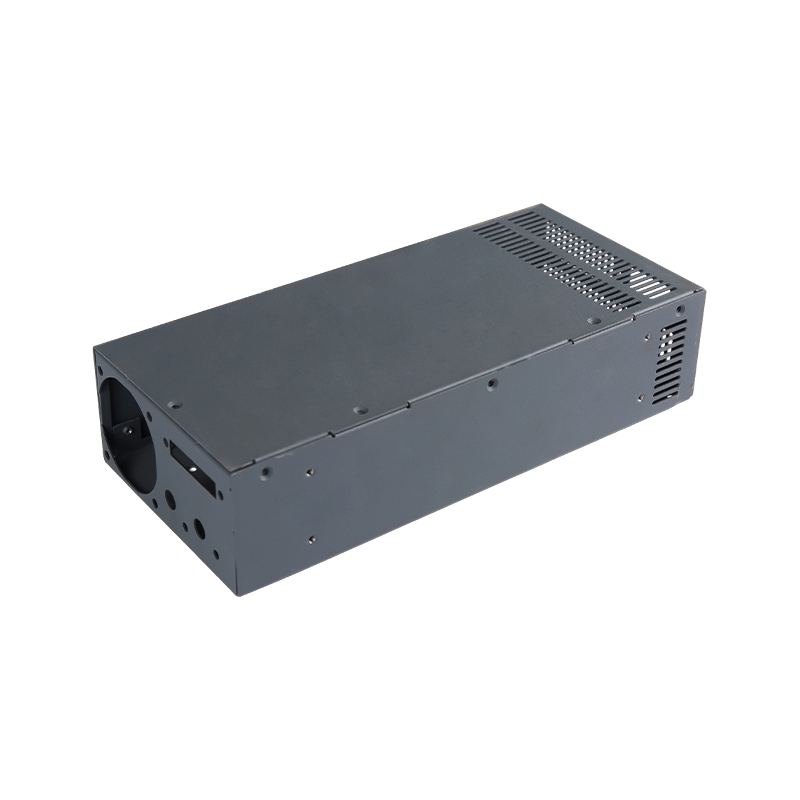
The company has outstanding capabilities in the processing of thin sheet metal and hardware products, with an annual production capacity of approximately 50 million. In the field of sheet metal, there are not only professional designers but also precise sheet metal drawing disassembly analysts, and a complete configuration of various technical workers.
The company's independently developed products are rich and diverse, covering various switch power supply casings, handles for new energy storage cabinets, multiple customized hinges (mainly applied in rail transit EMUs), multiple mobile TV stands (mainly exported to Europe, America and Southeast Asia), as well as various customized sheet metal cabinets for the medical industry and sheet metal parts for equipment covers.
All along the way, we have adhered to quality, constantly innovated, taken customer needs as the guide, and been committed to providing high-quality products and services for the industry. We sincerely welcome both new and old friends to visit and patronate us. Let's join hands to create a brilliant future together!
PRODUCTS
Changzhou Yasu Metal Technology Co., Ltd.
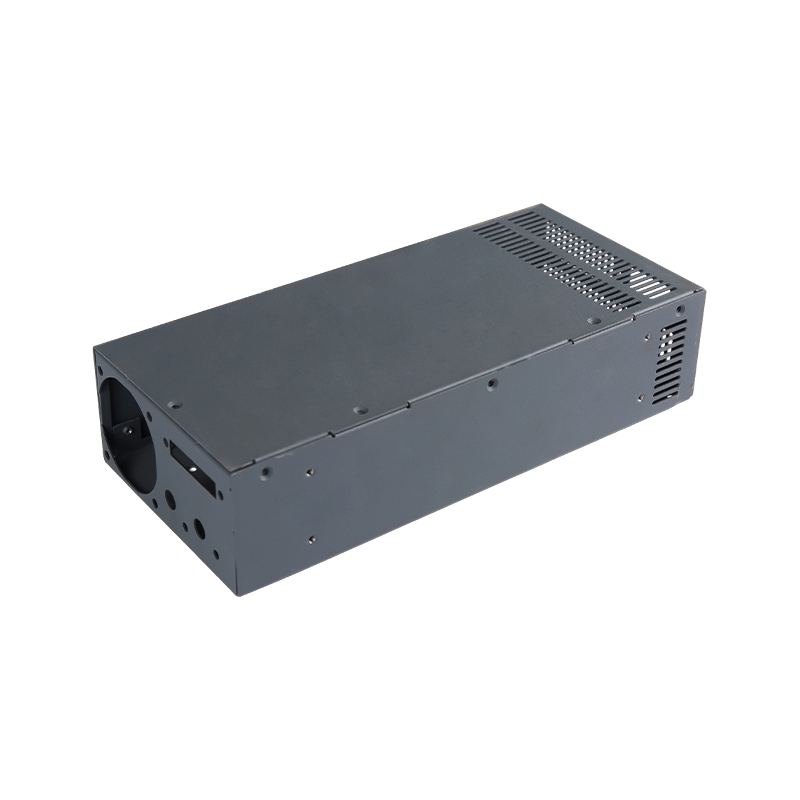
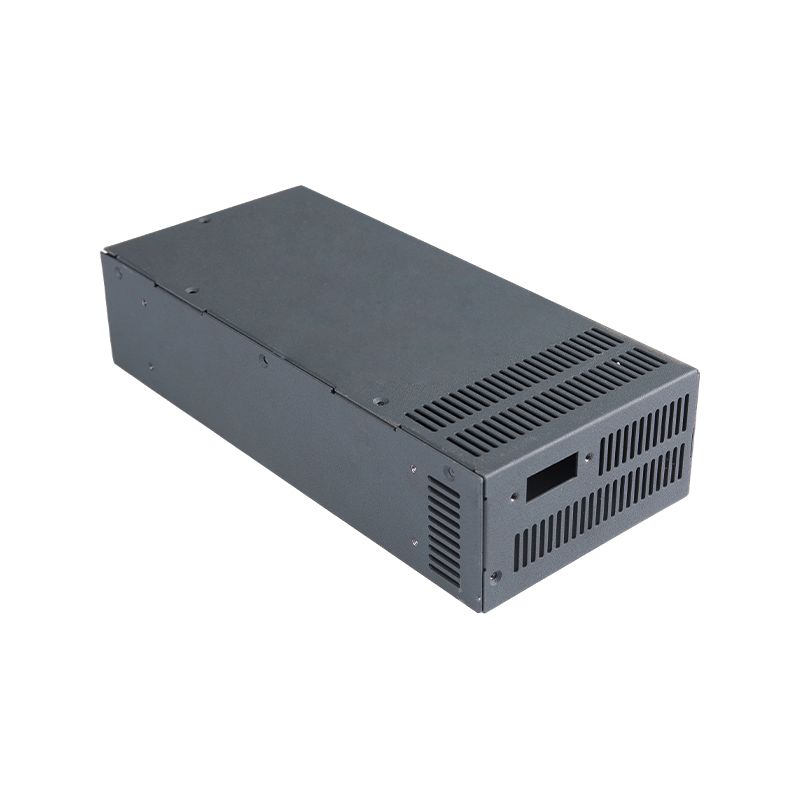
Since its establishment in 2019, Changzhou Yasu Metal Technology Co., Ltd. has always adhered to the concepts of professionalism, innovation and excellence, and has been forging ahead in the field of metal technology. We are China Wholesale Metal Switching Power Supply Housing Supplier and OEM/ODM Metal Switching Power Supply Housing Company.
The company is located in Benniu Town, Xinbei District, Changzhou City, Jiangsu Province, adjacent to the beautiful Grand Canal. On the path of development, we have been constantly striving forward and gradually accumulated rich industry experience and technical strength.
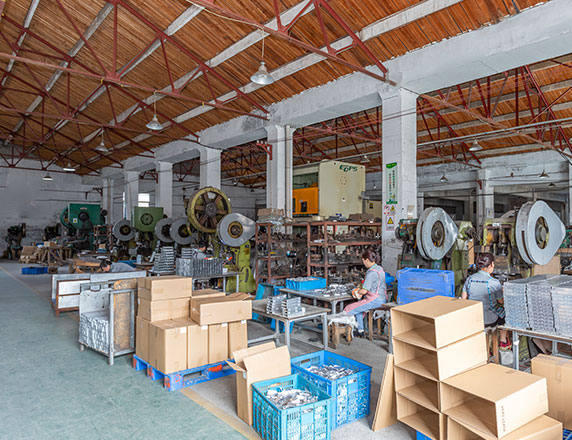
From the initial small-scale production to today's well-equipped modern factory, we have one 1500W, one 3000W dual-table and one 6000W dual-table laser cutting machine. A 4-meter × 100-ton CNC 4-axis bending machine, a 2.5-meter × 60-ton CNC 6-axis bending machine and a 1.6-meter high-speed bending machine; There is also a 4-meter CNC shearing machine, four sets of Yaskawa robot automatic welding equipment, two laser welding machines, as well as a large number of various welding machines such as aluminum welding machines, gas shielded welding machines, electric welding machines, and stud welding machines. In addition, over 40 stamping machines and a wide range of automated and semi-automated auxiliary equipment are also available.
6+ Industry Experience
News
Our major events and exhibition information.
INDUSTRY KNOWLEDGE EXTENSION
How Does Metal Switching Power Supply Housing Contribute to System Durability and Safety?
Introduction
The metal switching power supply housing serves as the first line of defense for the internal components of a power supply unit. It protects against external physical damage, environmental factors, and electrical hazards. As modern power systems become more complex and integrated into various applications—from telecommunications to medical devices—the need for robust and durable enclosures grows.
Key Functions of Metal Switching Power Supply Housings
Protection from Environmental Hazards
Metal housings provide an essential shield against environmental elements such as dust, moisture, and chemicals. This protection is vital in industries such as telecommunications, automotive, and industrial manufacturing, where power supplies are exposed to extreme conditions.
- Moisture Resistance: Metal materials, especially aluminum and stainless steel, are inherently resistant to corrosion. This property helps to safeguard internal components against rust and degradation when exposed to humidity or water.
- Dust Protection: A sealed housing prevents the infiltration of dust and debris, which can cause short circuits or overheating.
Thermal Management
Efficient heat dissipation is crucial for the longevity and safety of electrical components. Metal housings are excellent conductors of heat, allowing them to act as heat sinks, drawing heat away from sensitive power supply components.
- Material Selection: Metals like aluminum and copper are often chosen due to their superior thermal conductivity.
- Ventilation Design: Strategic cutouts and fins in the housing can enhance airflow, further improving cooling efficiency and preventing overheating.
Electrical Safety
The metal switching power supply housing serves as a critical grounding element, helping to prevent electrical shocks by ensuring that any stray electrical currents are safely directed to the ground.
- Electromagnetic Interference (EMI) Shielding: Metal enclosures provide effective EMI shielding, which is necessary to prevent external interference from disrupting the power supply or other connected systems.
- Short-Circuit Protection: The housing ensures that if a short circuit occurs, it doesn’t result in a catastrophic failure by safely containing and directing the fault.
Material Comparison for Metal Power Supply Housings
The material used for metal switching power supply housings significantly impacts the durability, safety, and performance of the power supply. Below is a comparison of common materials used in the construction of these housings:
| Material | Key Properties | Common Applications |
|---|---|---|
| Aluminum | Lightweight, excellent thermal conductivity, resistant to corrosion | Telecommunication systems, medical devices |
| Stainless Steel | High strength, durable, resistant to corrosion, non-magnetic | Industrial power supplies, automotive systems |
| Steel | Strong, cost-effective, can be coated for extra protection | Consumer electronics, home appliances |
| Zinc-Plated Steel | Moderate strength, low cost, corrosion-resistant with coating | Low-budget power supplies, less demanding applications |
Each material has its own advantages, and the choice depends on the specific needs of the application, including thermal requirements, environmental conditions, and budget constraints.
The Role of Precision Manufacturing in Housing Durability
Changzhou Yasu Metal Technology Co., Ltd. utilizes state-of-the-art equipment to manufacture high-quality metal enclosures. This precision manufacturing process ensures that the enclosures meet rigorous specifications and tolerance requirements, thereby enhancing the overall durability and functionality of the entire system.
Advanced Equipment:
- Laser Cutting Machines: Capable of cutting metal sheets with high precision, ensuring accurate housing shapes and sizes.
- CNC Bending Machines: Used to form metal enclosures into the required shapes without compromising structural integrity.
- Robot Welding Equipment: Ensures consistent and strong welding joints, reducing the risk of housing failure.
Changzhou Yasu’s extensive equipment list, including Yaskawa robot welding systems and high-speed bending machines, enables them to produce robust and customized enclosures that meet the most demanding industry standards.
How Does the Housing Design Impact Power Supply Reliability?
The design of the metal switching power supply housing plays a pivotal role in ensuring long-term reliability and minimizing failures.
Design Features That Enhance Reliability:
- Robust Joints and Seals: Well-designed joints and seals prevent ingress of foreign materials like dust and liquids, ensuring the internal components remain clean and dry.
- Custom Fit for Components: A custom-designed housing ensures that all internal components are securely housed, reducing the risk of vibrations or movement that could lead to damage.
Changzhou Yasu Metal Technology Co., Ltd. offer customizable housing options, ensuring that power supply units are specifically suited to their operational environments, whether it’s a harsh industrial setting or a sensitive medical application.
FAQ
Q1: What is the primary function of a metal switching power supply housing?
- The primary function is to protect internal power supply components from environmental hazards, ensure electrical safety, and facilitate efficient heat dissipation.
Q2: How does material choice affect the durability of power supply housings?
- Materials like aluminum and stainless steel provide corrosion resistance and superior thermal management, while steel and zinc-plated steel are more cost-effective but offer less protection against extreme conditions.
Q3: What role does precision manufacturing play in housing durability?
- Precision manufacturing ensures that housings meet exact specifications, which enhances their strength and reliability. Equipment like laser cutting and CNC bending ensures that housings are made with high accuracy and consistency.
Q4: How does the metal housing contribute to electrical safety?
- The metal housing acts as a grounding element, directing any stray currents to the ground, and it also provides EMI shielding to prevent electrical interference.
Q5: Can custom metal housings improve the performance of power supply units?
- Yes, custom housings ensure that components fit perfectly, preventing issues like vibrations and improving overall system reliability and safety.
Conclusion
In summary, the metal switching power supply housing is a vital component that ensures the durability, safety, and reliability of power supply systems. The choice of material, precise manufacturing processes, and thoughtful design all contribute to the overall performance of the unit.
QUICK LINKS
KEEP IN TOUCH
-
 +86-0519-85110696
 [email protected]
 +86 13685294691
 Nanguan Village, Benniu Town, Xinbei District, Changzhou City, Jiangsu Province, China



