


 English
 русский
 Español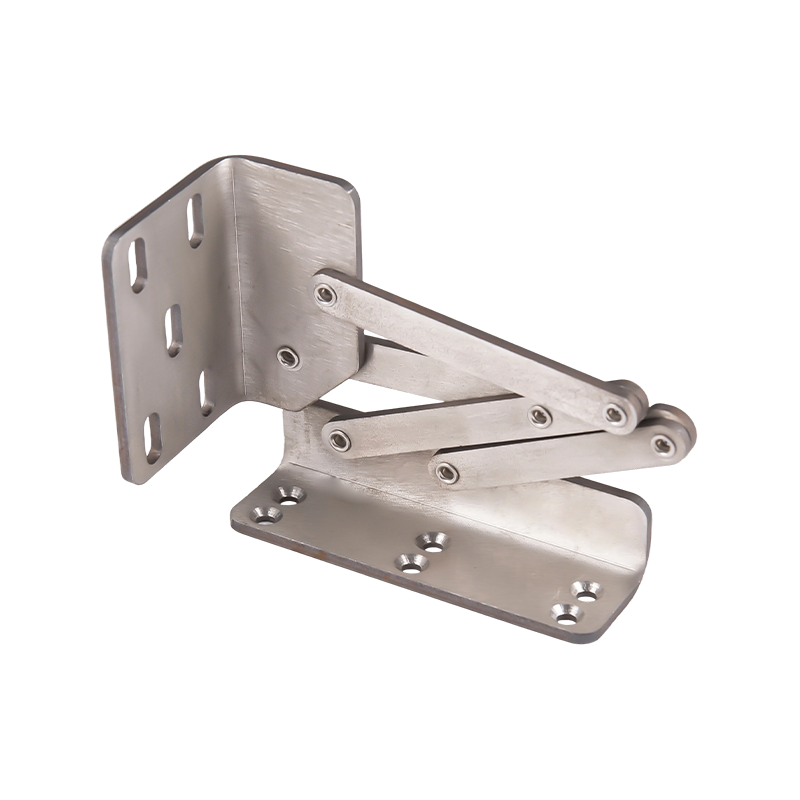
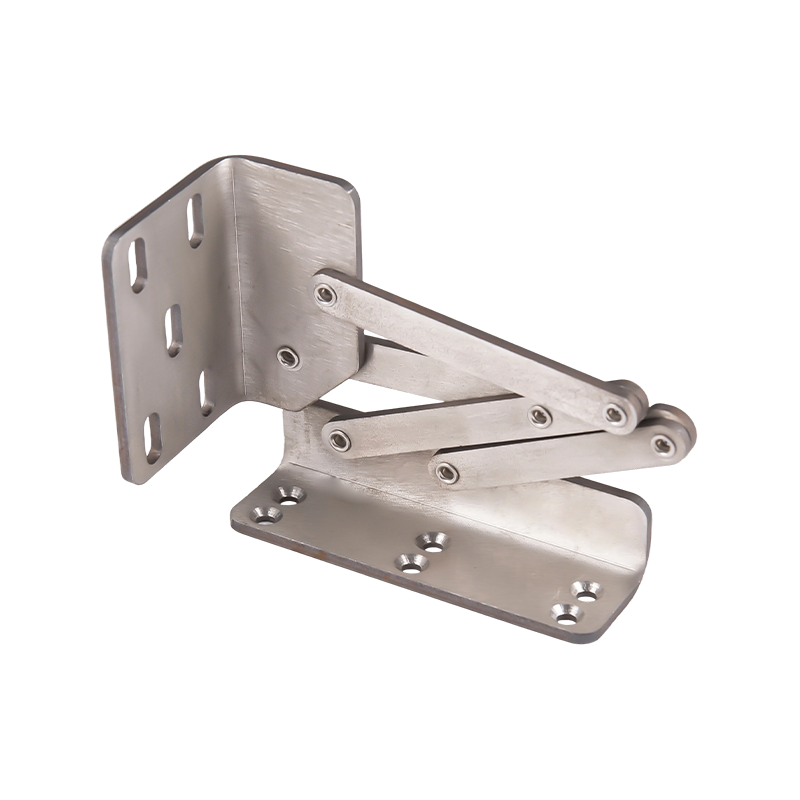
The company has outstanding capabilities in the processing of thin sheet metal and hardware products, with an annual production capacity of approximately 50 million. In the field of sheet metal, there are not only professional designers but also precise sheet metal drawing disassembly analysts, and a complete configuration of various technical workers.
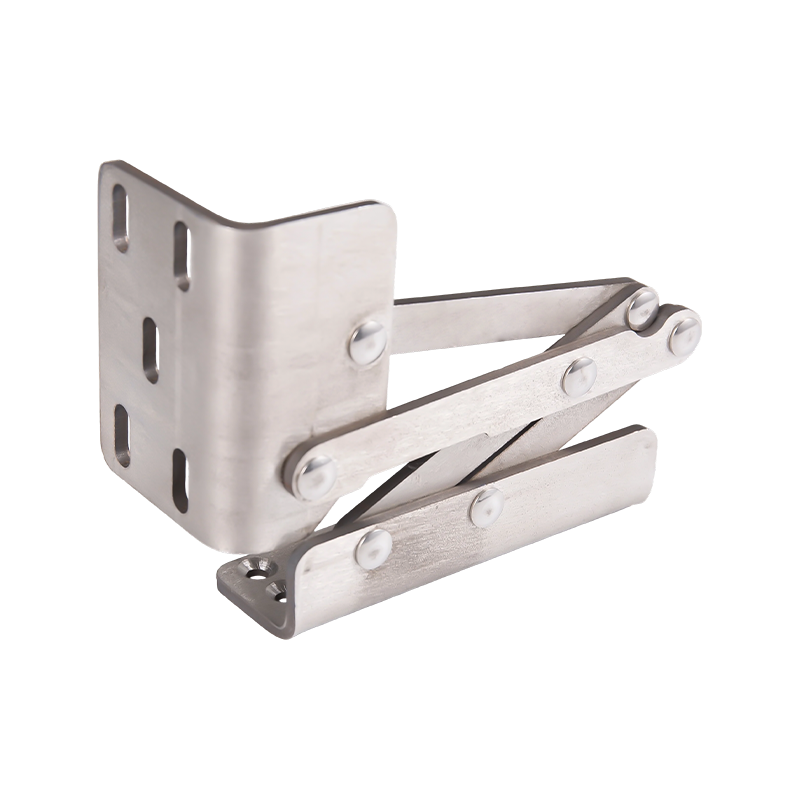
The company's independently developed products are rich and diverse, covering various switch power supply casings, handles for new energy storage cabinets, multiple customized hinges (mainly applied in rail transit EMUs), multiple mobile TV stands (mainly exported to Europe, America and Southeast Asia), as well as various customized sheet metal cabinets for the medical industry and sheet metal parts for equipment covers.
All along the way, we have adhered to quality, constantly innovated, taken customer needs as the guide, and been committed to providing high-quality products and services for the industry. We sincerely welcome both new and old friends to visit and patronate us. Let's join hands to create a brilliant future together!
PRODUCTS
Changzhou Yasu Metal Technology Co., Ltd.
Since its establishment in 2019, Changzhou Yasu Metal Technology Co., Ltd. has always adhered to the concepts of professionalism, innovation and excellence, and has been forging ahead in the field of metal technology. We are China Wholesale Multiple Joint Hinges Supplier and OEM/ODM Multiple Joint Hinges Company.
The company is located in Benniu Town, Xinbei District, Changzhou City, Jiangsu Province, adjacent to the beautiful Grand Canal. On the path of development, we have been constantly striving forward and gradually accumulated rich industry experience and technical strength.
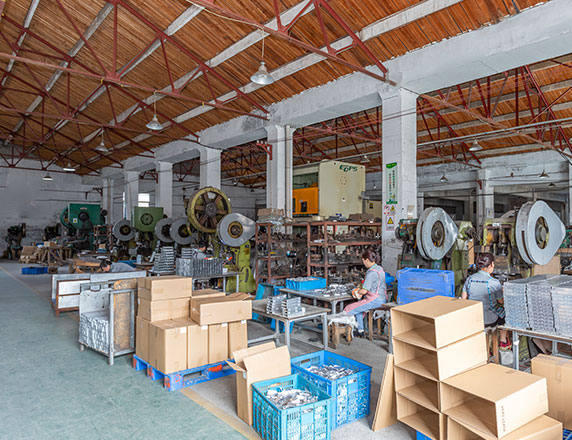
From the initial small-scale production to today's well-equipped modern factory, we have one 1500W, one 3000W dual-table and one 6000W dual-table laser cutting machine. A 4-meter × 100-ton CNC 4-axis bending machine, a 2.5-meter × 60-ton CNC 6-axis bending machine and a 1.6-meter high-speed bending machine; There is also a 4-meter CNC shearing machine, four sets of Yaskawa robot automatic welding equipment, two laser welding machines, as well as a large number of various welding machines such as aluminum welding machines, gas shielded welding machines, electric welding machines, and stud welding machines. In addition, over 40 stamping machines and a wide range of automated and semi-automated auxiliary equipment are also available.
6+ Industry Experience
News
Our major events and exhibition information.
INDUSTRY KNOWLEDGE EXTENSION
Why Are Multiple Joint Hinges a Critical Component in Advanced Machinery Design?
Introduction
In the ever-evolving world of machinery and engineering, every component plays a pivotal role in ensuring efficiency, durability, and performance. One such critical component is the multiple joint hinge. But what makes this component so essential in advanced machinery design? How does it contribute to the functionality of equipment, especially when applied to complex systems like rail transit EMUs, medical equipment, and energy storage cabinets?
As modern machinery demands higher precision and better customization, multiple joint hinges are becoming an indispensable part of the design process. These hinges are not only vital for mobility and smooth operation but also for noise reduction, durability, and flexibility in customization. The adaptability to different environments and applications further underscores their significance in machinery design.
The Role of Multiple Joint Hinges in Advanced Machinery Design
Multiple joint hinges, also referred to as multi-axis hinges, enable smooth and controlled movement across multiple planes. Their unique ability to allow flexible movement is essential in many advanced machinery applications. The main role of these hinges is to act as a pivoting mechanism for movable parts, allowing them to open and close smoothly and efficiently.
- Smooth Operation: Multiple joint hinges provide consistent motion, facilitating seamless operation for equipment with doors, lids, and panels.
- Load-Bearing Capacity: With enhanced structural design, they offer increased load-bearing capabilities, which is crucial for heavy-duty machinery and large enclosures.
- Noise Reduction: Tight and robust connections in these hinges reduce noise, ensuring that mechanical systems remain as quiet as possible during use.
The adaptability and performance of these hinges make them an indispensable part of machinery, particularly in industries that require precision engineering and customized solutions.
Customization and Versatility in Multiple Joint Hinges
One of the main benefits of multiple joint hinges is their customizability. With advanced manufacturing technologies, Changzhou Yasu Metal Technology Co., Ltd. offer customizable hinge solutions that cater to diverse applications, from rail transit to medical equipment.
- Material Choices: These hinges can be manufactured from a variety of materials, including stainless steel, carbon steel, and aluminum alloys, ensuring that they are suitable for different environments and loading conditions.
- Surface Finishes: Custom finishes like powder coating, anodizing, or polishing provide additional durability, corrosion resistance, and aesthetic appeal.
- Application Flexibility: Multiple joint hinges can be tailored for specific purposes such as energy storage cabinets or medical enclosures, where durability and ease of access are paramount.
Their versatility ensures that they meet the specific needs of different industries, offering a solution that is both functional and aesthetically pleasing.
Material Selection and Durability Considerations
The material chosen for a multiple joint hinge directly affects its durability, load-bearing capacity, and corrosion resistance. In the design of advanced machinery, selecting the right material is crucial for ensuring long-term performance. Here are some key considerations:
- Stainless Steel: Known for its excellent corrosion resistance, stainless steel is widely used in hinges exposed to harsh environments, such as medical equipment or outdoor applications.
- Carbon Steel: Often used for heavier applications where strength is a key requirement, carbon steel offers high tensile strength and load capacity.
- Aluminum Alloys: Lightweight and resistant to corrosion, aluminum alloys are ideal for applications where weight is a concern, such as in mobile TV stands or rail transit equipment.
- Custom Composite Materials: Changzhou Yasu Metal Technology Co., Ltd. is utilizing precision stamping and bending processes to develop custom composite materials, thereby further enhancing hinge performance.
The choice of material should match the specific application to balance cost, durability, and performance.
How Multiple Joint Hinges Enhance Efficiency and Reduce Operational Costs
Multiple joint hinges contribute significantly to the efficiency and cost-effectiveness of machinery systems. The combination of precision engineering and the ability to customize for various applications leads to:
- Reduced Maintenance Costs: Hinges with high load-bearing capacities and smooth operation reduce wear and tear, minimizing the need for repairs and replacements.
- Improved Lifecycle: The use of durable materials extends the operational lifespan of machinery, reducing the frequency of part replacements.
- Customization for Efficiency: Tailoring the hinges to specific machinery designs ensures that they are optimally suited for their intended purpose, enhancing overall system efficiency.
By offering a one-stop, one-to-one service, companies can deliver tailored hinge solutions that meet the diverse needs of small-batch, high-precision industries, leading to more streamlined operations and reduced operational costs.
Comparing Different Hinge Materials and Their Impact on Performance
A key factor in selecting multiple joint hinges is understanding the impact of material on the hinge’s performance. The table below compares commonly used materials and their key attributes:
| Material | Corrosion Resistance | Load Capacity | Cost | Applications |
|---|---|---|---|---|
| Stainless Steel | High | Medium | High | Medical equipment, outdoor applications |
| Carbon Steel | Medium | High | Low | Heavy-duty machinery |
| Aluminum Alloys | Medium | Low | Medium | Rail transit, mobile TV stands |
| Custom Composites | High | High | High | Energy storage cabinets, medical enclosures |
By selecting the right material, manufacturers can ensure that their hinges perform well under specific conditions, leading to improved functionality and a longer lifespan for their machinery.
FAQ
Q1: What is the primary function of multiple joint hinges?
A: Multiple joint hinges facilitate smooth, controlled movement of machine components across multiple planes. They are vital for applications requiring precise motion, such as rail transit and medical equipment.
Q2: How does customization benefit the use of multiple joint hinges?
A: Customization allows hinges to be tailored for specific materials, surface finishes, and applications, ensuring they meet unique requirements for load capacity, durability, and functionality.
Q3: What materials are typically used in the manufacturing of multiple joint hinges?
A: Common materials include stainless steel, carbon steel, and aluminum alloys, each offering different benefits in terms of strength, weight, and corrosion resistance.
Q4: Can multiple joint hinges be used in medical and energy storage applications?
A: Yes, these hinges are versatile and can be customized for specific uses such as energy storage cabinets and medical enclosures, where reliability and precision are essential.
Q5: How do multiple joint hinges reduce maintenance costs?
A: Their durability, smooth operation, and ability to withstand heavy loads reduce wear and tear, thus minimizing the need for frequent repairs and replacements.
Conclusion
In the world of advanced machinery, multiple joint hinges are an essential component that cannot be overlooked. Their ability to provide flexible, smooth, and durable movement makes them indispensable in a wide range of applications, from rail transit to medical equipment. With customization options and material selection, these hinges can be designed to meet the specific needs of any machinery, ensuring efficiency, reducing maintenance costs, and extending product lifespan.
QUICK LINKS
KEEP IN TOUCH
-
 +86-0519-85110696
 [email protected]
 +86 13685294691
 Nanguan Village, Benniu Town, Xinbei District, Changzhou City, Jiangsu Province, China



