


 English
 русский
 Español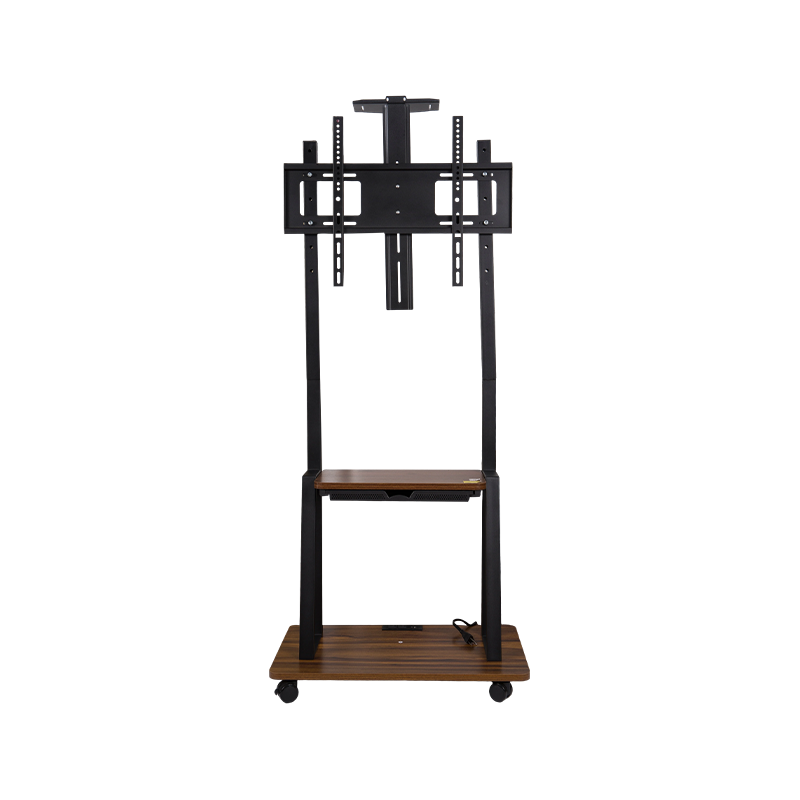
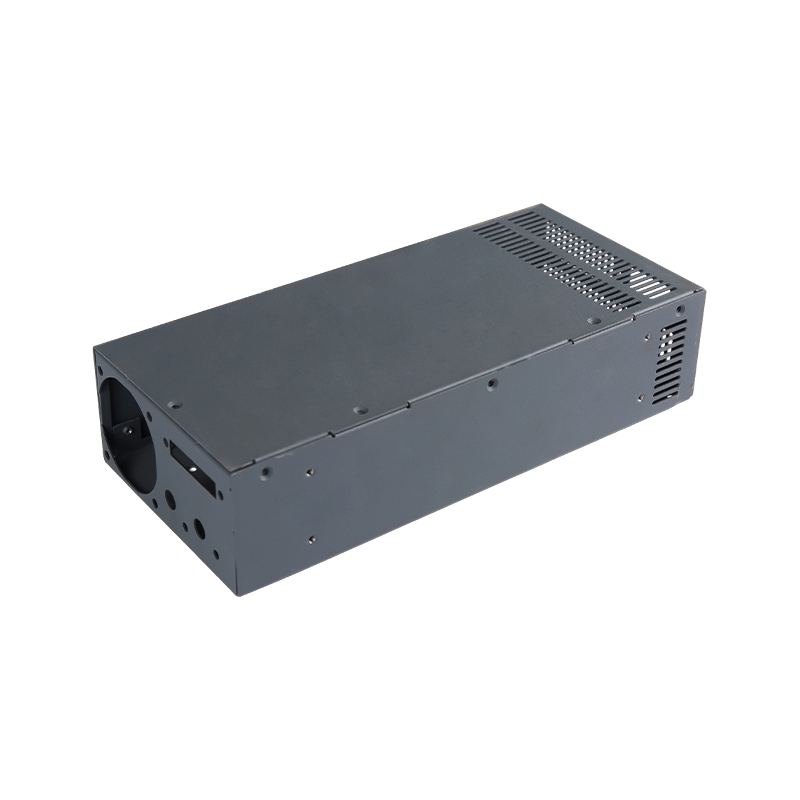
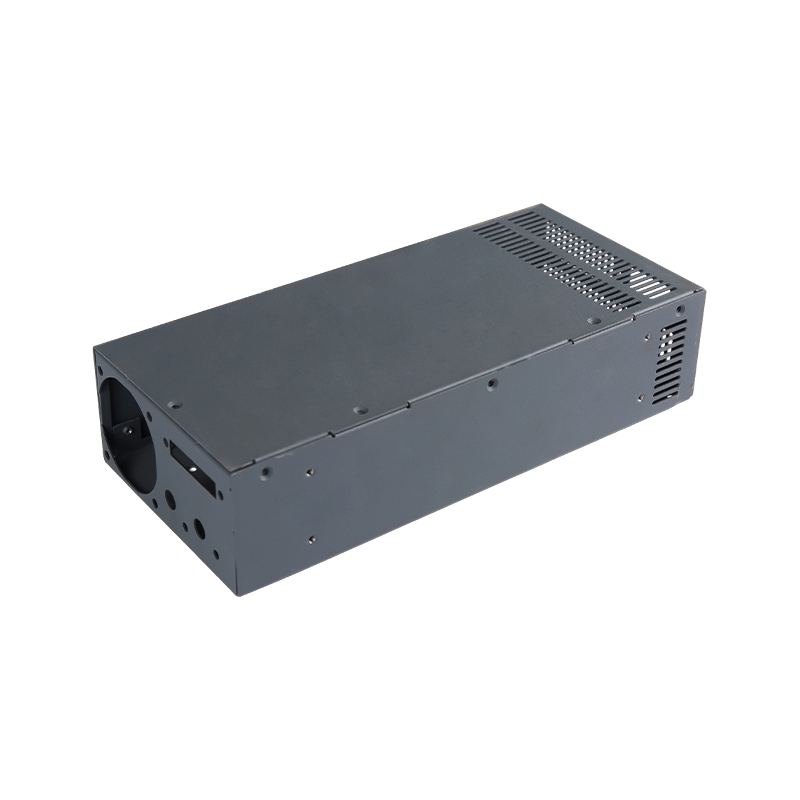
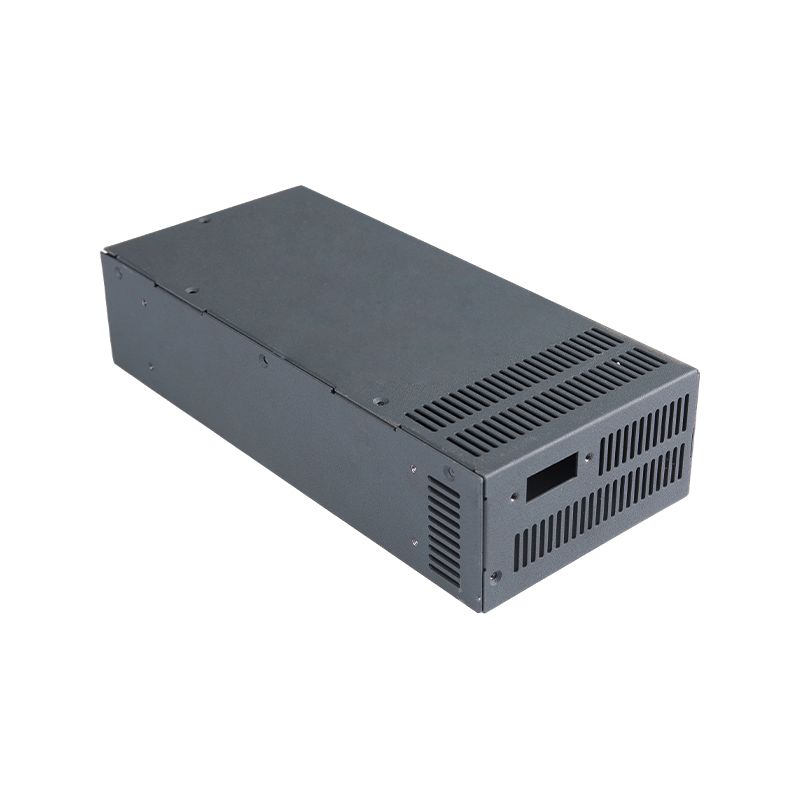
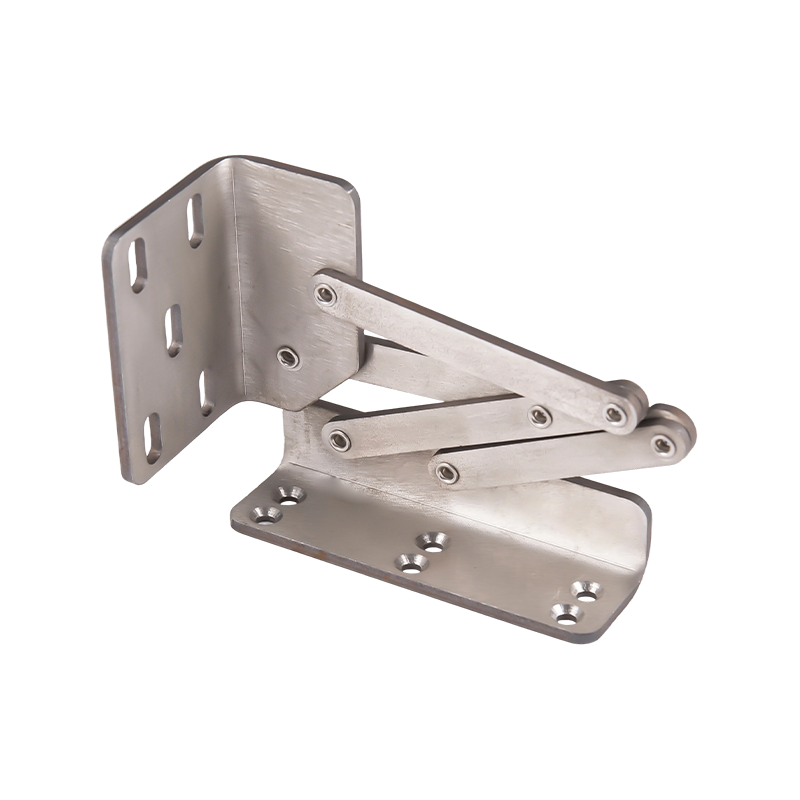
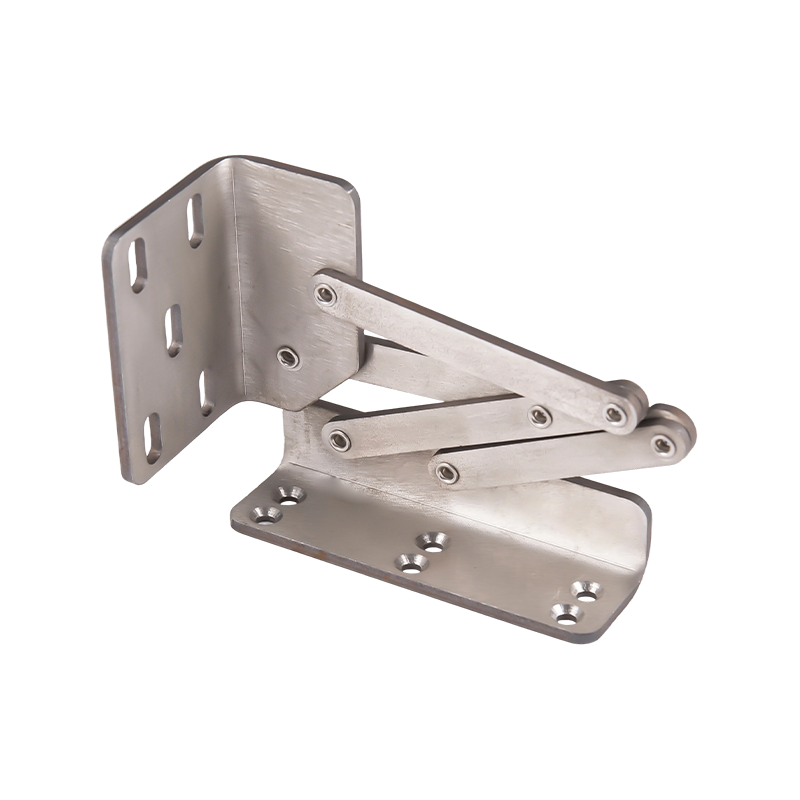
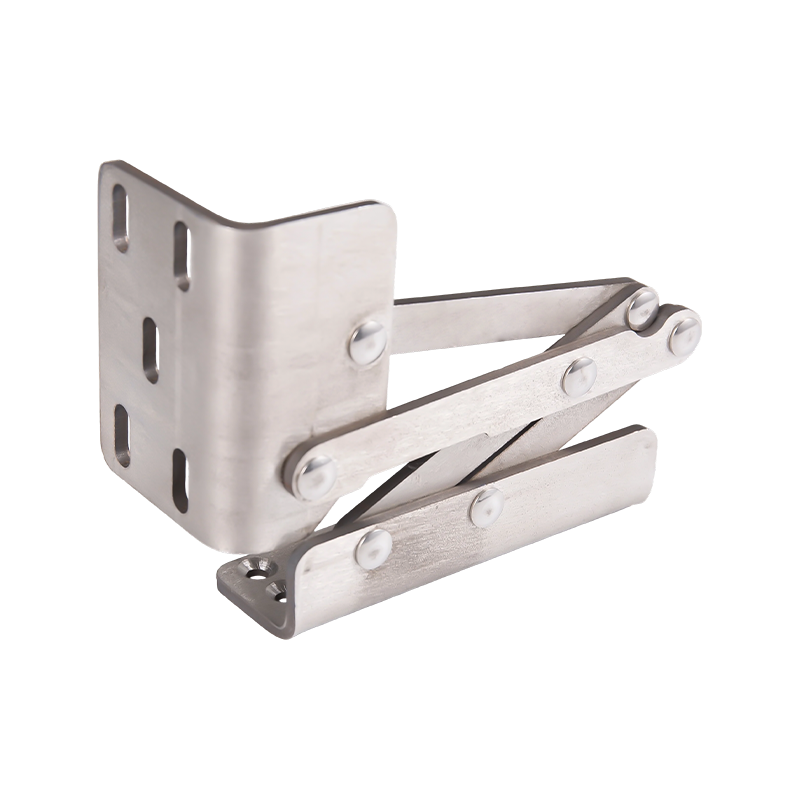
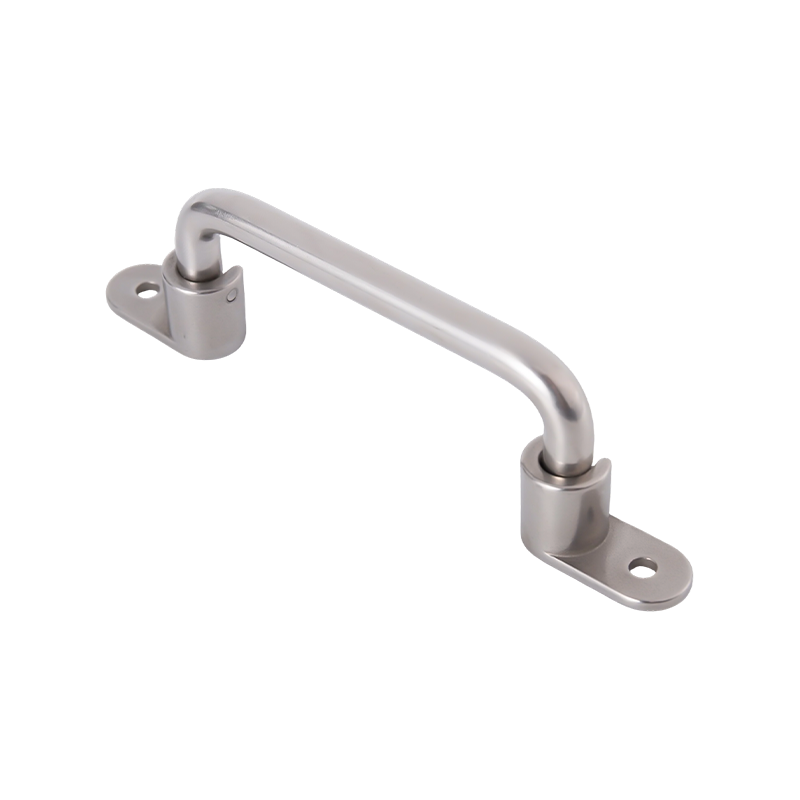
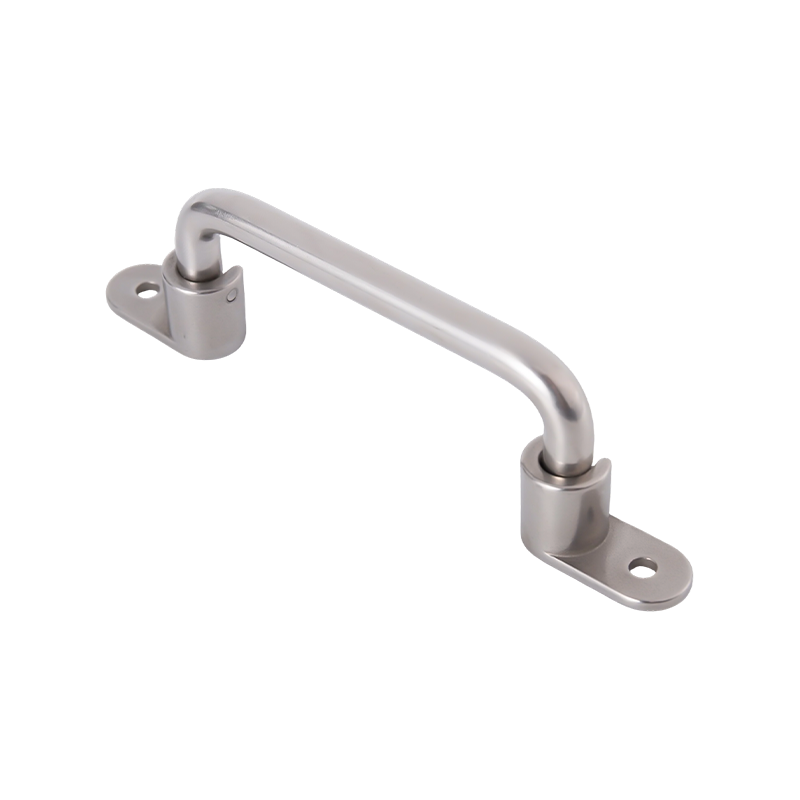
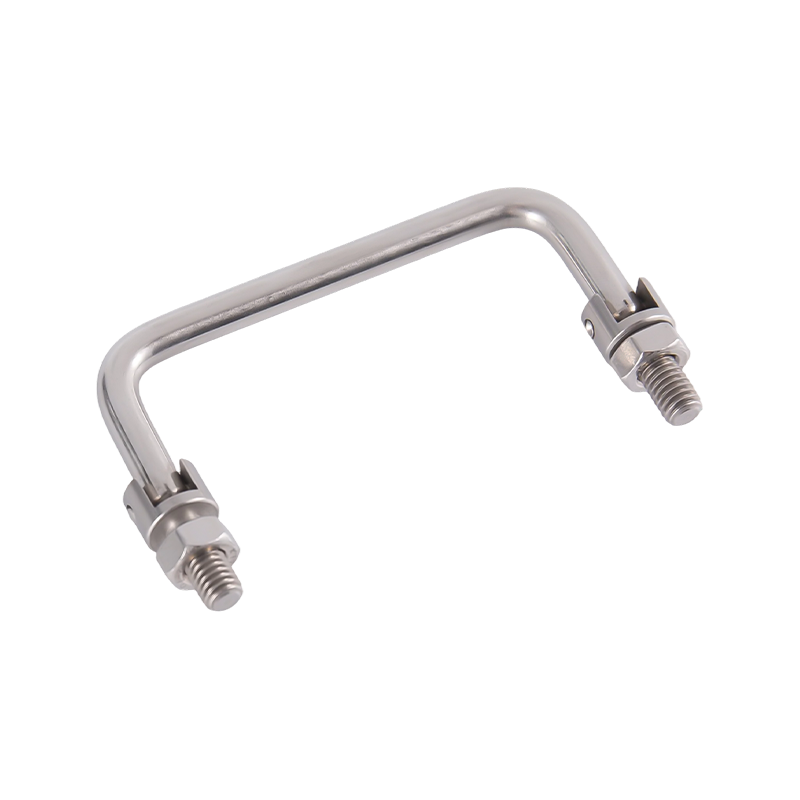
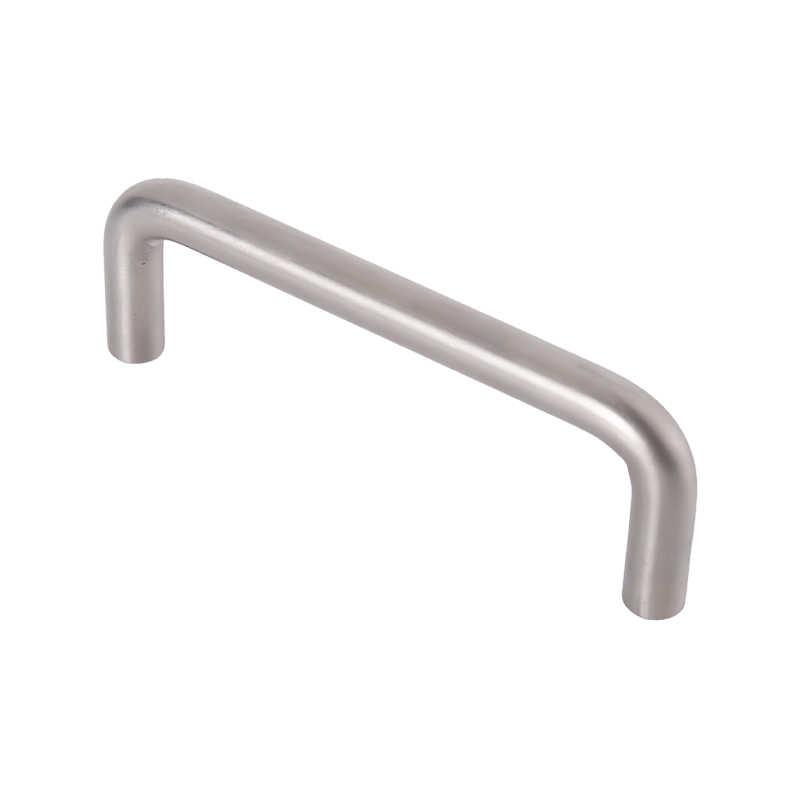
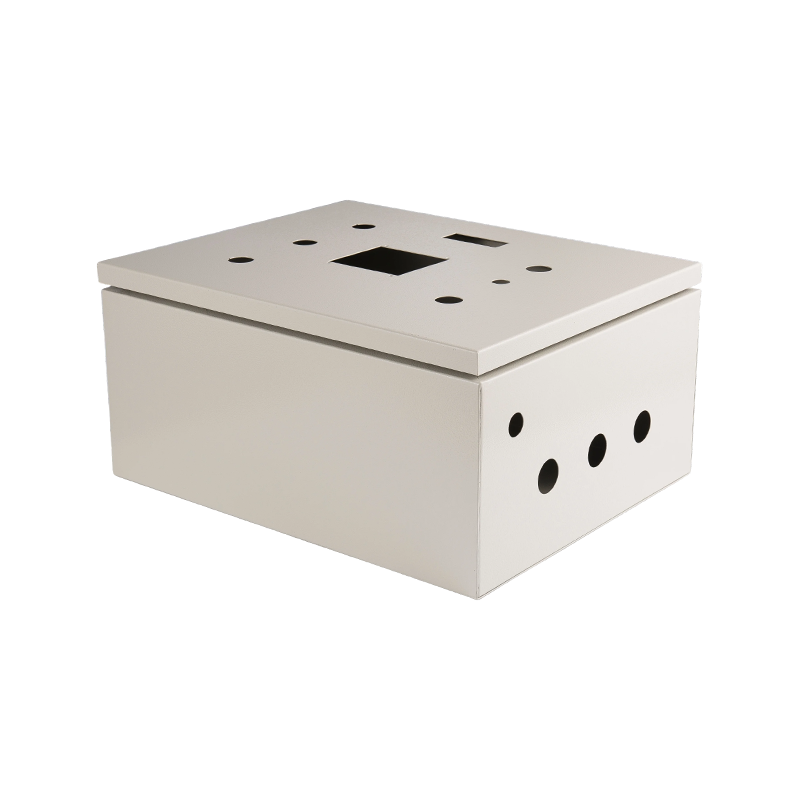
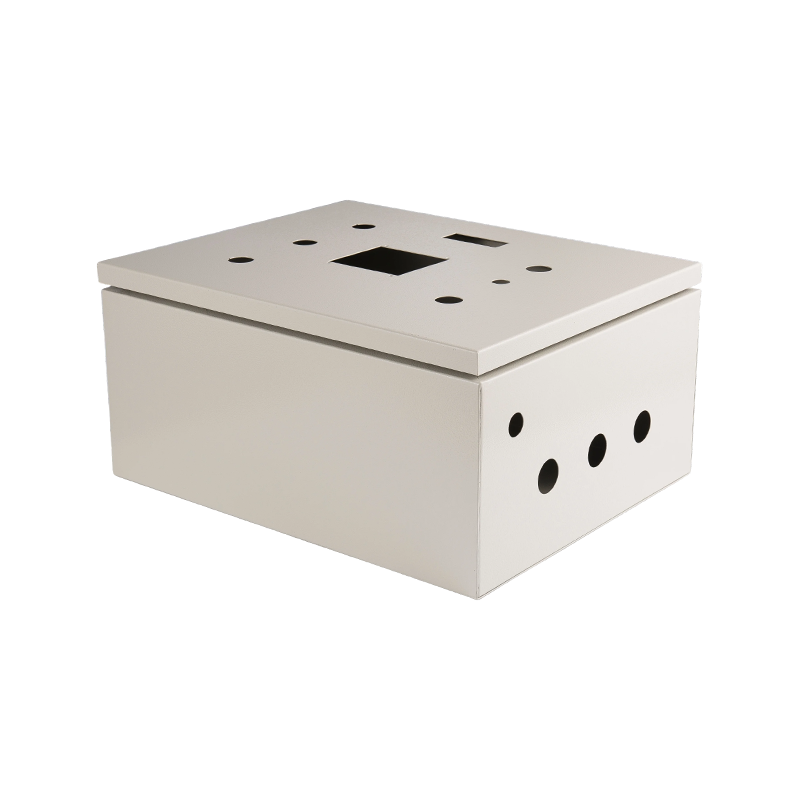
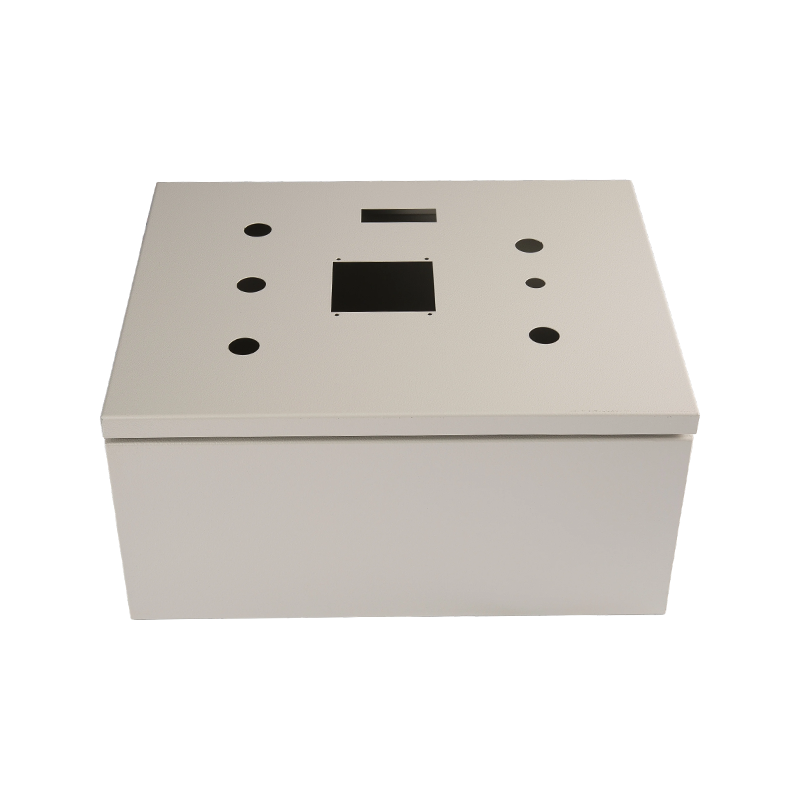
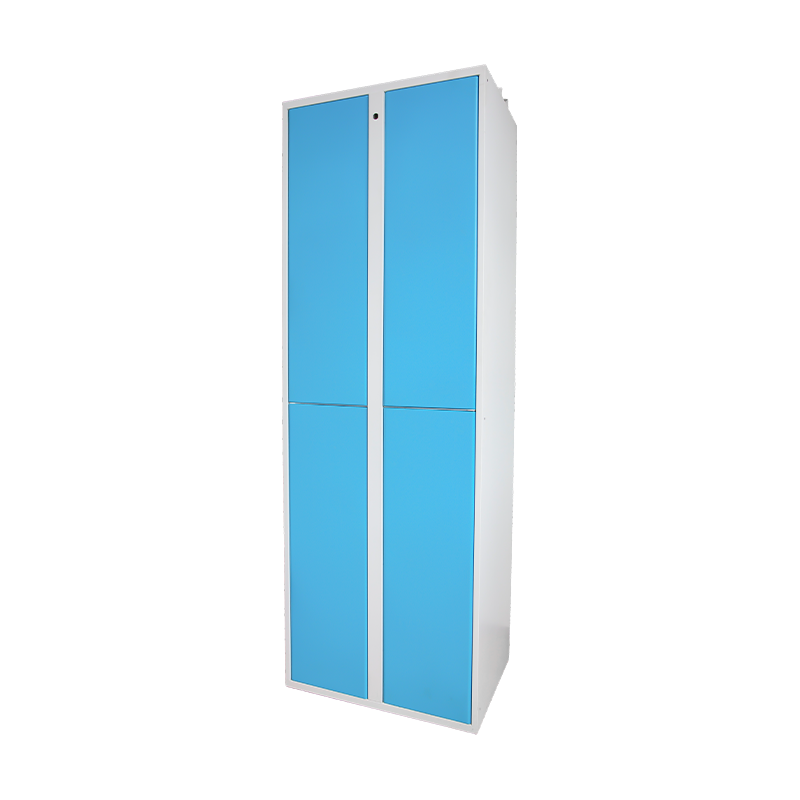
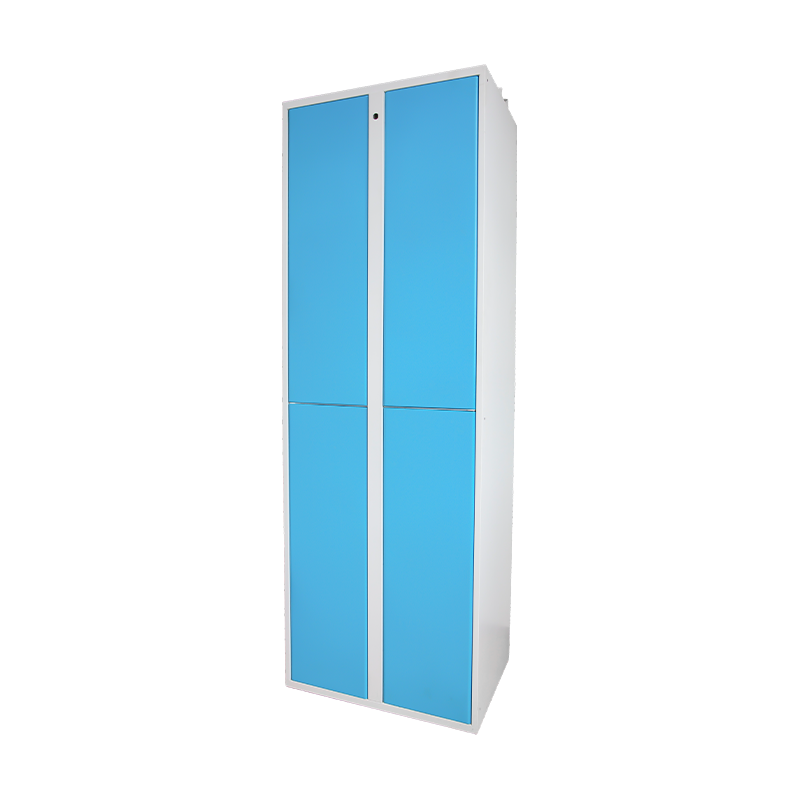
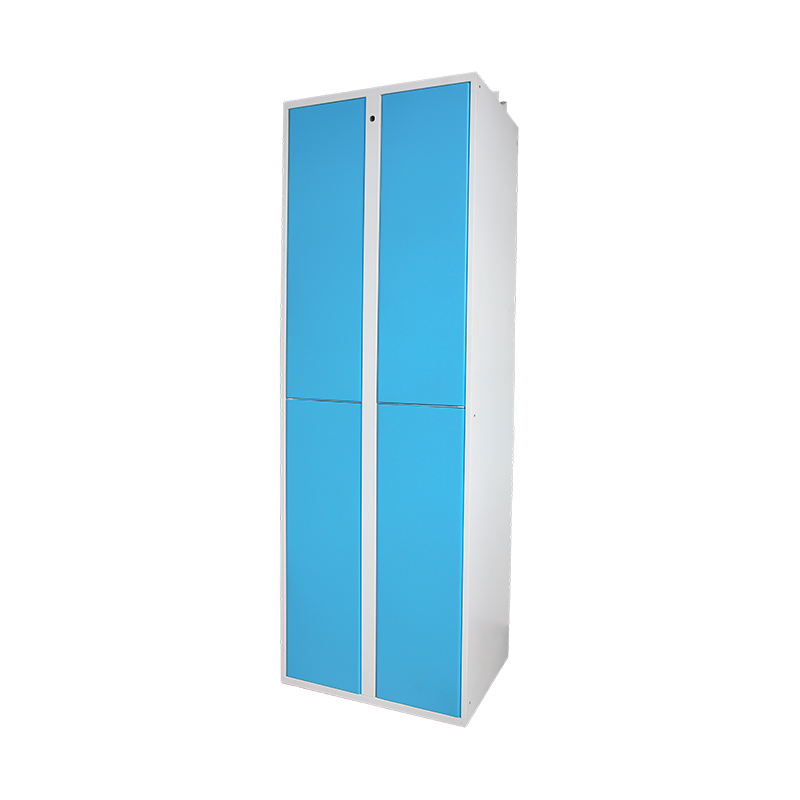
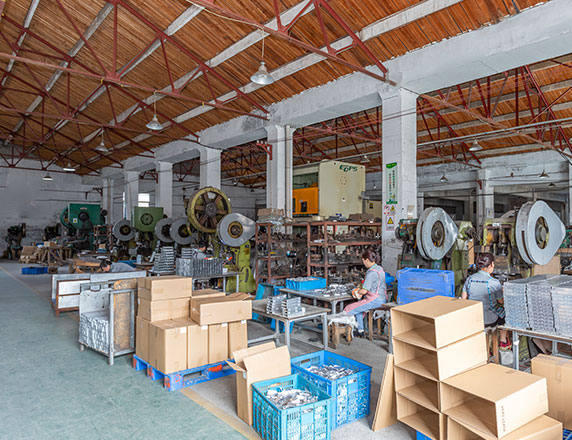
The company has outstanding capabilities in the processing of thin sheet metal and hardware products, with an annual production capacity of approximately 50 million. In the field of sheet metal, there are not only professional designers but also precise sheet metal drawing disassembly analysts, and a complete configuration of various technical workers.
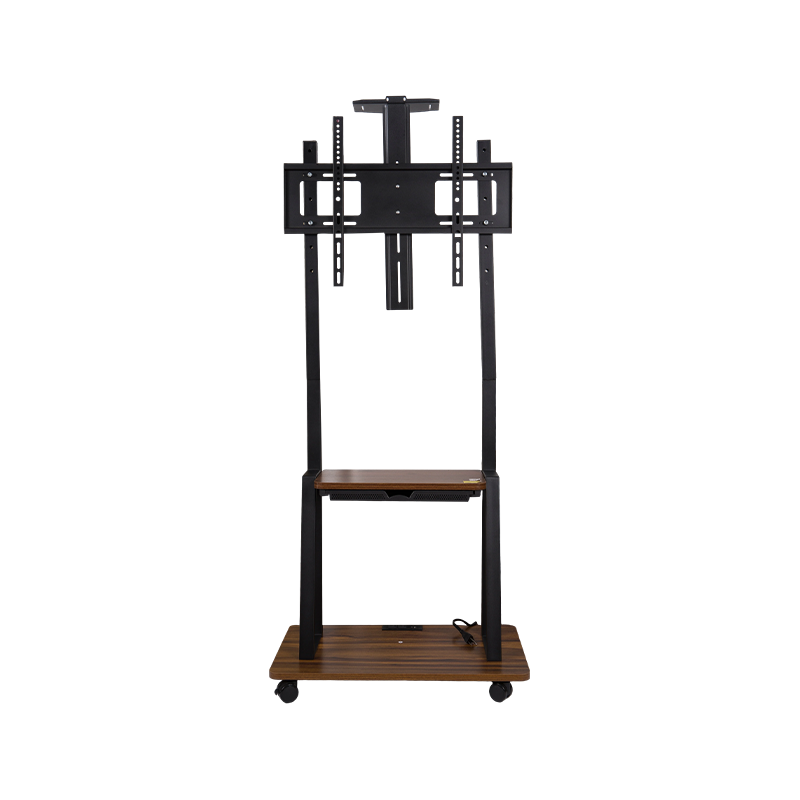
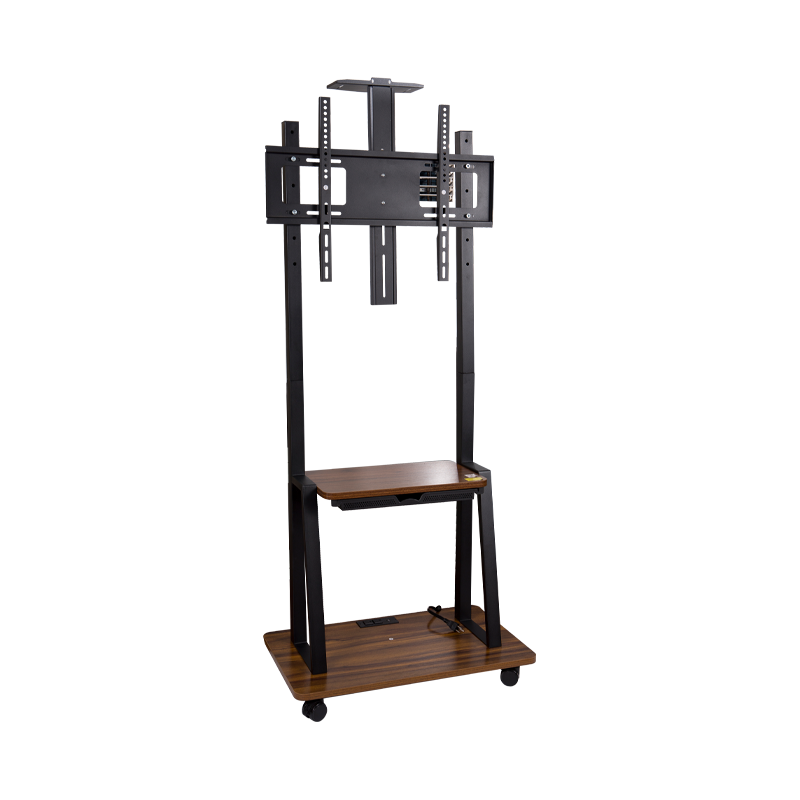
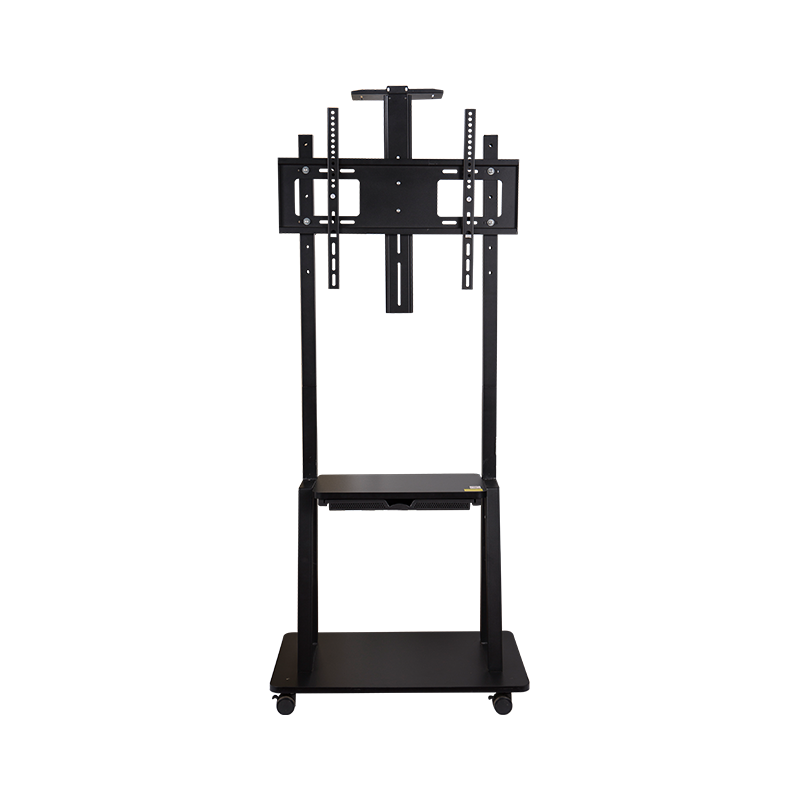
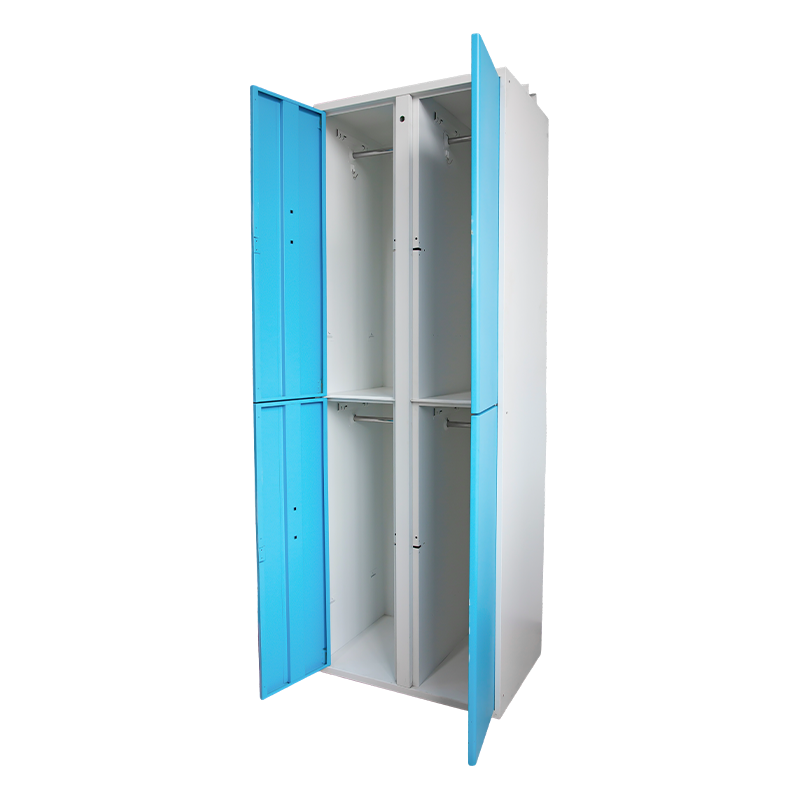
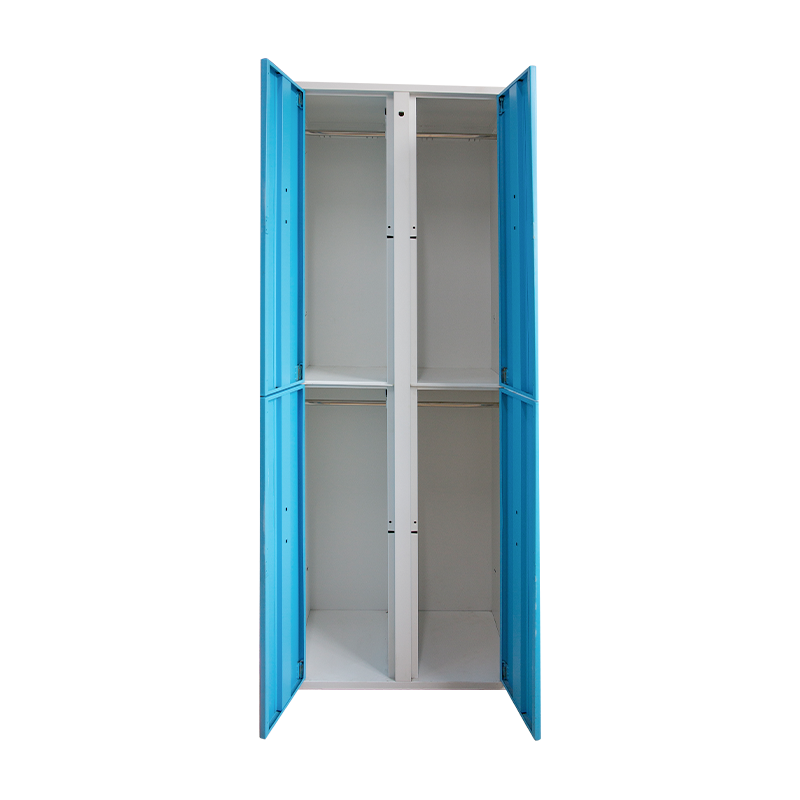
The company's independently developed products are rich and diverse, covering various switch power supply casings, handles for new energy storage cabinets, multiple customized hinges (mainly applied in rail transit EMUs), multiple mobile TV stands (mainly exported to Europe, America and Southeast Asia), as well as various customized sheet metal cabinets for the medical industry and sheet metal parts for equipment covers.
All along the way, we have adhered to quality, constantly innovated, taken customer needs as the guide, and been committed to providing high-quality products and services for the industry. We sincerely welcome both new and old friends to visit and patronate us. Let's join hands to create a brilliant future together!
PRODUCTS
Sheet Metal Parts Suppliers
Changzhou Yasu Metal Technology Co., Ltd.
Since its establishment in 2019, Changzhou Yasu Metal Technology Co., Ltd. has always adhered to the concepts of professionalism, innovation and excellence, and has been forging ahead in the field of metal technology. We are China Custom Sheet Metal Parts Manufacturer and OEM/ODM Sheet Metal Parts Company.
The company is located in Benniu Town, Xinbei District, Changzhou City, Jiangsu Province, adjacent to the beautiful Grand Canal. On the path of development, we have been constantly striving forward and gradually accumulated rich industry experience and technical strength.
From the initial small-scale production to today's well-equipped modern factory, we have one 1500W, one 3000W dual-table and one 6000W dual-table laser cutting machine. A 4-meter × 100-ton CNC 4-axis bending machine, a 2.5-meter × 60-ton CNC 6-axis bending machine and a 1.6-meter high-speed bending machine; There is also a 4-meter CNC shearing machine, four sets of Yaskawa robot automatic welding equipment, two laser welding machines, as well as a large number of various welding machines such as aluminum welding machines, gas shielded welding machines, electric welding machines, and stud welding machines. In addition, over 40 stamping machines and a wide range of automated and semi-automated auxiliary equipment are also available.
6+ Industry Experience
News
Our major events and exhibition information.
INDUSTRY KNOWLEDGE EXTENSION
Why is aluminum often preferred over steel for custom sheet metal enclosures?
When it comes to custom sheet metal enclosures, material choice plays a critical role in determining the final product's durability, weight, and overall performance. In particular, aluminum and steel are two commonly used materials in the industry. However, aluminum is often preferred over steel for a variety of reasons.
Aluminum vs. Steel: The Basic Comparison
Aluminum and steel are both metals used in the manufacturing of custom sheet metal parts. However, their properties differ significantly, making one more suitable than the other for certain applications.
- Weight: Aluminum is significantly lighter than steel. This is particularly important when weight reduction is a priority, such as in enclosures for portable electronic devices or equipment that need to be moved frequently.
- Corrosion Resistance: Aluminum naturally forms a protective oxide layer when exposed to air, which makes it highly resistant to corrosion. In contrast, steel requires additional coatings or treatments to prevent rusting.
- Strength-to-Weight Ratio: While steel is stronger than aluminum in many ways, aluminum has a superior strength-to-weight ratio, making it ideal for applications that require both strength and reduced weight.
- Cost: Aluminum tends to be more expensive than steel, but its weight savings often justify the added cost, especially in industries where reducing transport costs and material handling is essential.
The Advantages of Aluminum for Custom Enclosures
In the context of custom sheet metal enclosures, aluminum presents several distinct advantages over steel, making it the material of choice for many manufacturers. Let's take a closer look at some of these benefits:
Lightweight Nature
One of the primary reasons aluminum is favored for custom sheet metal enclosures is its lightweight nature. Aluminum is much lighter than steel, which can significantly reduce the weight of the final product. This is particularly beneficial for industries where the enclosure needs to be portable, such as in electronics, telecommunications, and medical equipment. The reduced weight also leads to lower transportation costs and easier handling during the manufacturing process.
Superior Corrosion Resistance
Aluminum’s natural resistance to corrosion is another significant advantage. Unlike steel, which may require coating or galvanization to prevent rust, aluminum forms a stable oxide layer that protects it from moisture and other environmental factors. This makes aluminum an ideal choice for enclosures that are exposed to harsh environments, such as outdoor settings or areas with high humidity. The enhanced corrosion resistance ensures that sheet metal parts made from aluminum will last longer without the need for frequent maintenance or replacement.
Cost-Effectiveness in the Long Run
While aluminum may have a higher upfront cost compared to steel, the overall cost-effectiveness of aluminum becomes apparent over the long term. The combination of its lightweight nature and corrosion resistance results in lower transportation and maintenance costs. Furthermore, the durability of aluminum enclosures means fewer replacements and repairs over time, which can translate into significant savings for businesses in the long run.
The Manufacturing Process for Aluminum Sheet Metal Enclosures
The process of creating custom aluminum sheet metal parts involves several stages, each of which contributes to the overall quality and precision of the final product. Below is an overview of the key steps involved in the manufacturing process:
- Design: The first step in creating a custom aluminum enclosure is the design phase. During this stage, professional designers and technical experts work together to create a detailed blueprint of the enclosure, ensuring that it meets the specific needs of the application.
- Laser Cutting: Once the design is finalized, the aluminum sheet is cut using advanced laser cutting machines. This process ensures high precision and allows for complex shapes and intricate details to be easily achieved.
- Bending: After the sheets are cut, they are bent to the required angles using CNC bending machines. The bending process ensures that the aluminum enclosure fits perfectly with the design specifications.
- Welding: In many cases, welding is required to join the aluminum components together. This is typically done using robotic welding systems or manual techniques, depending on the complexity of the enclosure.
- Finishing: The final step in the process is finishing. This can include surface treatments such as anodizing, powder coating, or painting to further enhance the corrosion resistance and aesthetic appearance of the enclosure.
Why Aluminum is Ideal for Custom Sheet Metal Parts
As mentioned earlier, aluminum offers numerous advantages for custom sheet metal parts, making it an ideal choice for a wide range of applications. Let’s explore why aluminum is particularly well-suited for creating custom enclosures:
- Ease of Fabrication: Aluminum is relatively easy to work with, especially when it comes to processes such as cutting, bending, and welding. This makes it an ideal material for custom sheet metal enclosures, where precise and intricate designs are often required.
- Versatility: Aluminum can be used in a variety of applications, from small enclosures for electronic devices to larger enclosures for industrial machinery. Its ability to be customized in terms of size, shape, and finish makes it a highly versatile material.
- Excellent Thermal and Electrical Conductivity: In some applications, such as in electronic enclosures, aluminum's excellent thermal and electrical conductivity is a key advantage. It helps dissipate heat and provides effective shielding from electromagnetic interference (EMI).
Changzhou Yasu Metal Technology Co., Ltd. and Custom Sheet Metal Enclosures
Since its establishment in 2019, Changzhou Yasu Metal Technology Co., Ltd. has been at the forefront of the custom sheet metal industry, specializing in the production of high-quality sheet metal enclosures and other related products. The company’s state-of-the-art facilities include advanced laser cutting machines, CNC bending machines, and robotic welding systems, which ensure that every custom sheet metal part meets the highest standards of quality and precision.
The company’s commitment to innovation and excellence is evident in its ability to provide customized solutions for a wide range of industries, including electronics, telecommunications, medical equipment, and more. With an annual production capacity of approximately 50 million units, Changzhou Yasu Metal Technology Co., Ltd. is well-equipped to handle large-scale production runs while maintaining the flexibility to meet the specific needs of each customer.
FAQ
- What are the advantages of using aluminum for custom sheet metal enclosures?
Aluminum offers several benefits, including its lightweight nature, superior corrosion resistance, and ease of fabrication. It is also more cost-effective in the long run due to reduced maintenance and transportation costs. - Can aluminum be used for high-strength applications?
Yes, aluminum offers a great strength-to-weight ratio, making it suitable for a wide range of applications, including those that require high strength. - What is the typical lifespan of an aluminum sheet metal enclosure?
Aluminum enclosures have an excellent lifespan due to their resistance to corrosion. With proper maintenance, aluminum enclosures can last for many years, making them a cost-effective long-term solution. - How does aluminum compare to steel in terms of cost?
While aluminum may have a higher upfront cost compared to steel, its lightweight nature and long-term durability make it more cost-effective over time, especially when considering transportation and maintenance savings.
QUICK LINKS
KEEP IN TOUCH
-
 +86-0519-85110696
 [email protected]
 +86 13685294691
 Nanguan Village, Benniu Town, Xinbei District, Changzhou City, Jiangsu Province, China



