Why are Metal Distribution Boxes Becoming a Key Choice in Power Systems?
In today's increasingly complex power systems, Metal Distribution Boxes are gradually transforming from basic equipment into critical hubs. Whether in industrial automated production lines, commercial buildings, or public facilities, the performance and reliability of distribution boxes directly affect the stable operation of the overall system.
The Essence and Application Scenarios of Metal Distribution Boxes
Definition and Core Function
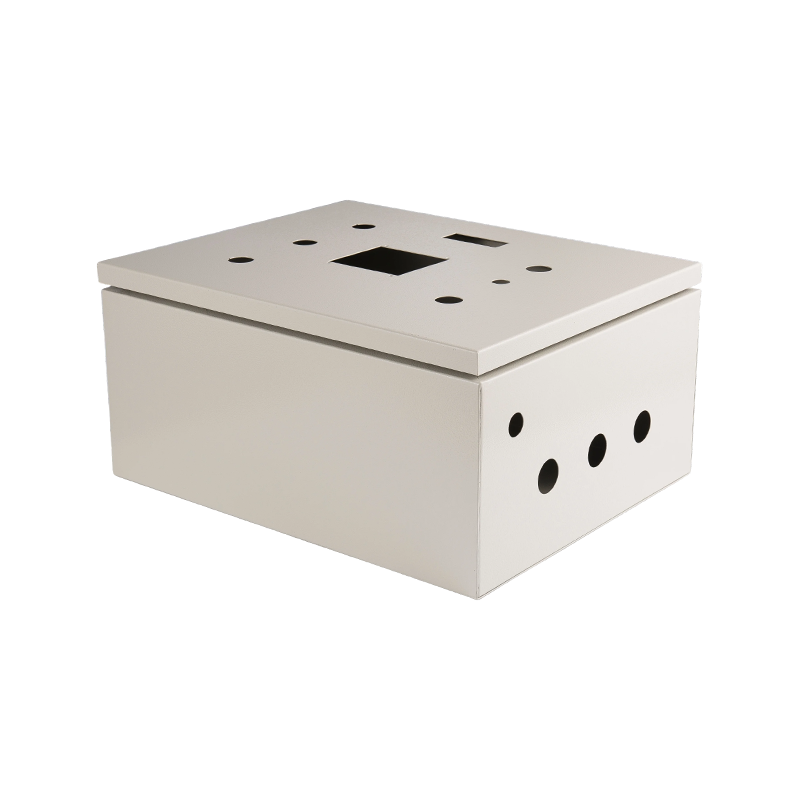
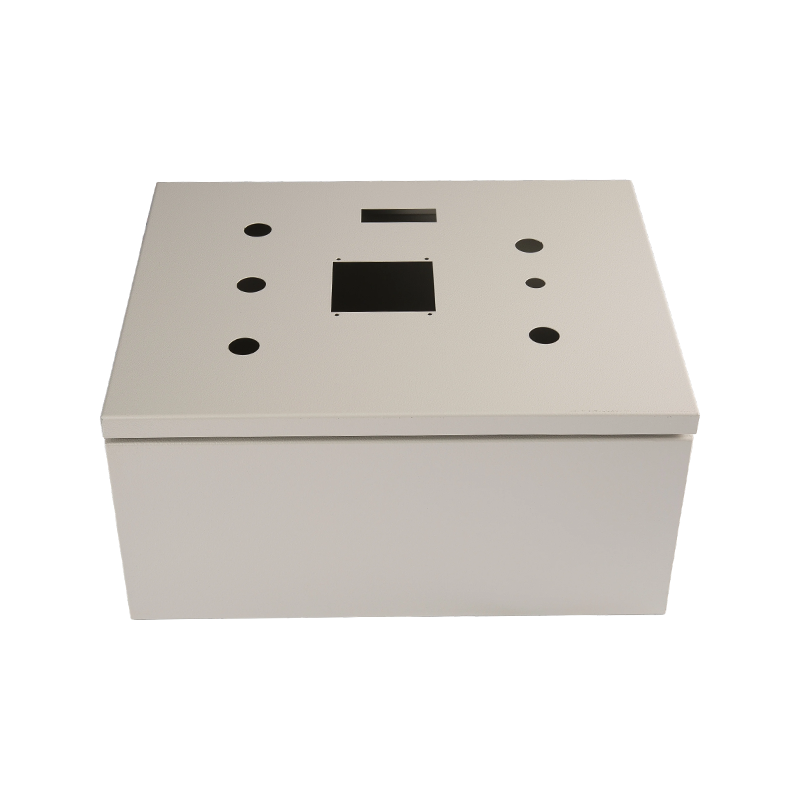
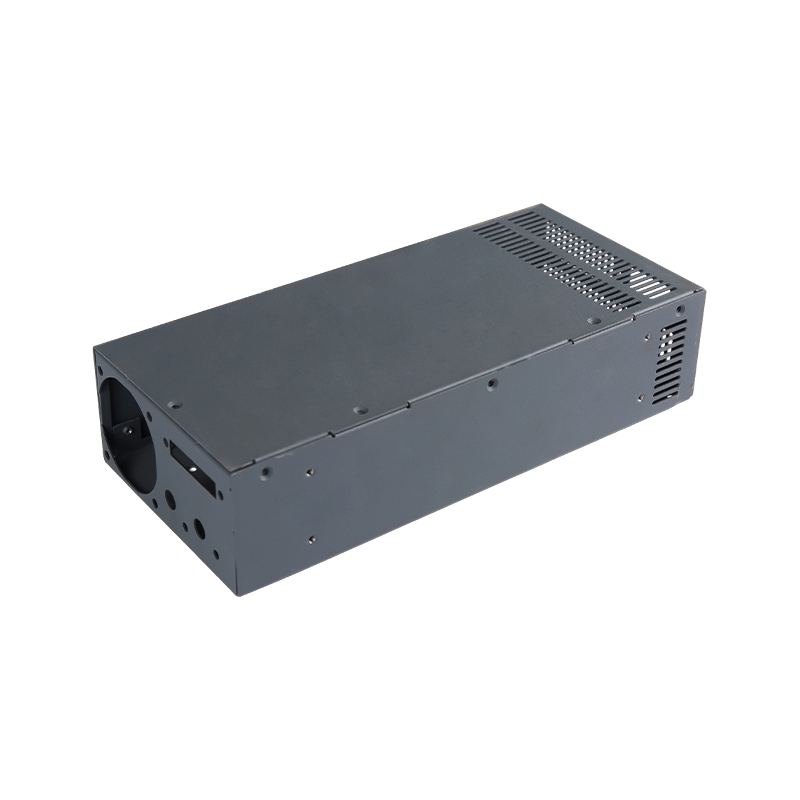
A Metal Distribution Box is essentially a power distribution and control device with a metal casing. It not only houses electrical components but also bears the important responsibilities of protection and management. In practical applications, it is often installed in distribution rooms, equipment rooms, or outdoor environments, achieving efficient power distribution through a rational internal layout.
Expanding Application Fields
With the development of smart manufacturing and smart cities, the application scenarios for distribution boxes are constantly expanding. From traditional factories to rail transit systems and medical equipment, the requirements for their safety, durability, and customization capabilities are continuously increasing.
Why is Metal More Advantageous?
Structural Strength and Stability
Compared to plastics or composite materials, metal distribution boxes perform better in terms of structural stability and protection. The metal casing can effectively resist external impacts while maintaining structural integrity in high-temperature or complex environments. This stability makes it a top choice for industrial environments.
Electromagnetic Shielding and Durability
The metal material also possesses excellent electromagnetic shielding properties, reducing the impact of external interference on internal electrical components and thus improving the overall reliability of the system. This is particularly crucial in high-precision equipment or data-sensitive scenarios.
Through continuous optimization of surface treatment processes, such as powder coating, electroplating, or anti-corrosion coatings, the corrosion resistance of Metal Distribution Boxes has also been significantly improved, enabling them to withstand outdoor, humid, and even high-salt-spray environments.
How is the Trend of Customization Changing the Industry Landscape?
Rising Demand for Custom Solutions
With the diversification of customer needs, standardized products are no longer sufficient to fully meet the market. More and more companies are seeking customized Metal Distribution Box solutions to match different installation spaces, functional requirements, and industry standards.
Manufacturer Capabilities Matter
In this trend, the manufacturer's technological capabilities are particularly important. Since its establishment in 2019, Changzhou Yasu Metal Technology Co., Ltd. has adhered to the principles of Professional, Innovative, and Excellent, continuously deepening its expertise in the field of metal technology. Equipped with advanced equipment such as laser cutting, CNC bending, and automated welding, the company's products have significant advantages in precision and consistency.
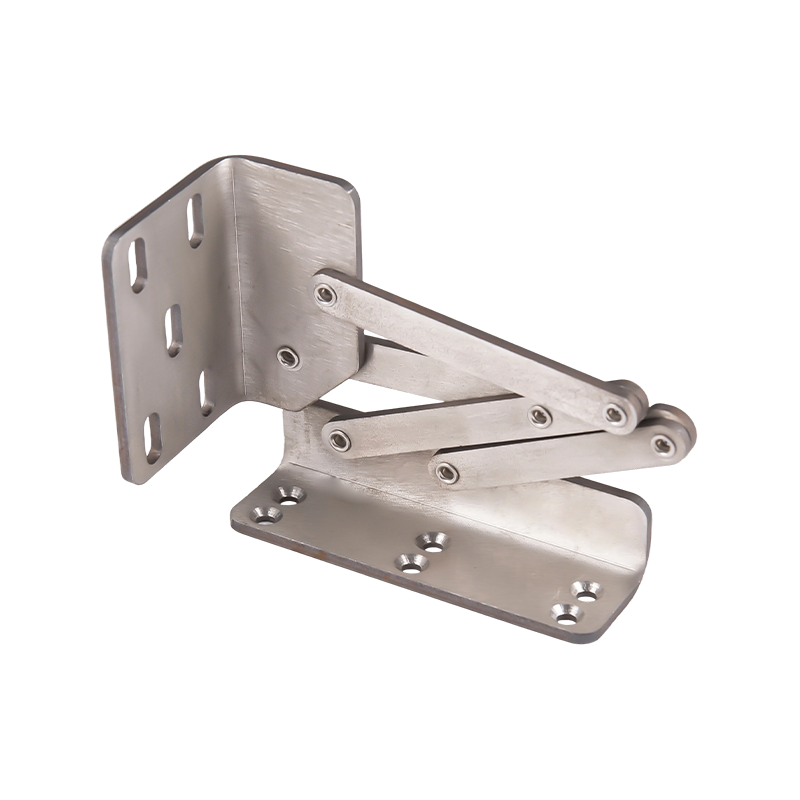
With the support of a professional design team, Yasu not only provides standard distribution boxes but also customizes switching power supply housings, medical sheet metal parts, and rail transit-related components according to customer needs. This flexible OEM/ODM capability gives it a stronger competitive edge in the global market.
How Does Manufacturing Process Affect Product Quality?
Precision Manufacturing
A high-quality Metal Distribution Box relies on meticulous manufacturing processes. From raw material selection to molding and processing, and finally assembly, every step directly impacts product performance.
Advanced Production Technology
Advanced laser cutting technology ensures the precision of sheet metal dimensions, while CNC bending ensures structural stability and consistency. Automated welding processes not only improve production efficiency but also significantly reduce human error, resulting in stronger and more reliable welds.
Changzhou Yasu Metal Technology has mature experience in this area, enabling it to meet the demands of large-volume orders while ensuring quality. This combination of scale and precision makes it a trustworthy Chinese manufacturer of customized Metal Distribution Boxes.
How to Choose a Suitable Metal Distribution Box Supplier?
Key Evaluation Factors
When selecting a supplier, focusing solely on price is often insufficient. More crucial are their design capabilities, manufacturing processes, and quality control systems. A superior manufacturer should be able to provide complete solutions from needs analysis to product delivery.
Customer-Oriented Approach
Yasu adheres to a customer-oriented approach, emphasizing communication and feedback during product development to ensure that the final product truly meets application requirements. Simultaneously, the company continuously drives technological innovation, constantly optimizing product performance and appearance design to adapt to the ever-changing market environment.
This core philosophy of quality and innovation has enabled it to serve not only domestic customers but also earn a strong reputation in the international market.
FAQ
Which industries are Metal Distribution Boxes suitable for?
They are widely used in industrial manufacturing, commercial buildings, rail transportation, medical equipment, and new energy, among other fields.
Are metal distribution boxes suitable for outdoor use?
After corrosion protection treatment, metal distribution boxes can operate stably in outdoor environments for extended periods, making them particularly suitable for harsh weather conditions.
Can the size and structure be customized to meet specific needs?
Yes. Changzhou Yasu Metal Technology provides complete OEM/ODM customization services.
How to determine the reliability of a distribution box?
It can be comprehensively evaluated from multiple aspects, including material selection, manufacturing process, certification standards, and the manufacturer's experience.



 English
 русский
 Español