

 English
 русский
 Español
Content
- 1 Why Rust Forms, and Where It Starts on Sheet Metal Parts
- 2 Start With the Right Base Material
- 3 Common Finishes That Prevent Rust, Compared
- 4 Five Habits That Keep Parts Rust-Free After Fabrication
- 5 Design Details That Decide Corrosion Performance
- 6 Do Not Overlook Handles, Hinges, and Small Hardware
- 7 Working With Your Fabricator on Corrosion Control
- 8 Frequently Asked Questions
- 9 References
Rust on custom metal parts is almost always preventable, and the work starts before a single sheet is cut. The three decisions that matter most are the base material (or the finish applied over a cost-effective steel), the design details that let water drain instead of pool, and the way parts are handled, packed, and stored between fabrication and installation. Parts that ignore these points can show red oxide within weeks in a humid or coastal climate, while parts that get them right routinely reach the end of their service life with the coating still intact.
This guide walks through each decision in the order a real project faces it: material, finish, design, and the handling that happens after the parts leave the press brake.
Why Rust Forms, and Where It Starts on Sheet Metal Parts
Rust is iron oxide, and it needs only three things to grow: an iron-containing surface, oxygen, and moisture. Steel sheet has the first built in, so the fight is really against water and the contaminants that hold water against the surface. Humid air, salt spray, condensation from temperature swings, and chloride residues from cutting fluids or fingerprints all accelerate the reaction. On sheet metal parts, corrosion almost always starts in the same predictable places:
- Cut edges and punched holes, where the coating is thinnest or absent
- Bend zones, where forming can stretch or crack a finish
- Weld seams and heat-affected zones, where the original coating has burned away
- Lap joints and internal cavities, where moisture hides and crevice corrosion develops
- Scratches from handling, which expose bare steel beneath an otherwise sound finish
Every one of these weak points can be addressed at the design or process stage, which is exactly why prevention works better than repair.
Start With the Right Base Material
The cheapest rust protection is a material that does not need much of it. Match the alloy to the service environment instead of defaulting to the lowest-cost steel:
- 304 stainless steel: the workhorse for indoor equipment, medical housings, and parts exposed to frequent cleaning
- 316 stainless steel: the choice for coastal sites, chemical exposure, or salt contact, thanks to added molybdenum
- Aluminum (5052, 6061): forms its own protective oxide film and suits lightweight enclosures and brackets
- Galvanized or pre-galvanized steel: zinc corrodes sacrificially to protect the steel, a cost-effective route for outdoor cabinets and frames
- Weathering steel: develops a stable patina for architectural and uncoated outdoor applications
Material selection interacts with every downstream decision, from welding method to finish compatibility. For a worked example of how the operating environment drives alloy choice, see this guide on choosing the right material for power equipment. The same logic applies to enclosures, brackets, and hardware across every industry.
Common Finishes That Prevent Rust, Compared
For carbon steel parts, the finish does most of the corrosion work, and no single finish fits every part. These are the options most fabricators offer:
| Finish | How it protects | Best suited for | Watch out for |
|---|---|---|---|
| Powder coating | Barrier film with strong coverage on rounded edges | Outdoor enclosures, cabinet bodies, brackets | Chips expose bare steel; needs a clean, dry substrate |
| Zinc electroplating | Sacrificial zinc layer that corrodes before the steel | Small hardware, hinges, handles, fasteners | Thin deposit; limited life outdoors without a topcoat |
| Hot-dip galvanizing | Thick sacrificial zinc coating, inside and out | Frames, bases, structural outdoor parts | Rougher appearance; distortion risk on long thin parts |
| Anodizing | Thickens aluminum's natural oxide layer | Aluminum panels, housings, trim | Aluminum only; less impact resistant than paint |
| Black oxide with oil | Converted surface film plus an oil barrier | Indoor parts, tooling, low-cost brackets | Minimal outdoor protection; oil needs renewal |
| E-coat (cathodic epoxy) | Immersion-applied primer that reaches cavities and edges | Base layer under powder on outdoor parts | Needs a UV-stable topcoat |
For equipment that lives outdoors, a two-layer system is the standard answer: an e-coat primer followed by powder coating. Zinc plating remains the practical choice for moving hardware such as hinges, where a thick paint film would interfere with clearances and crack at the pivot.
Five Habits That Keep Parts Rust-Free After Fabrication
What happens after forming decides whether a perfect finish stays perfect. Five habits make the difference:
Clean and dry every part
Remove cutting fluids, coolant residue, and fingerprints before finishing. These films trap moisture and chlorides directly against the metal.
Finish promptly
Bare steel can flash-rust within hours in humid air. Keep pretreatment and coating in the same production flow rather than letting parts sit in a queue.
Interleave and wrap correctly
Use VCI (vapor corrosion inhibitor) paper or film, and never let bare metal surfaces touch each other during handling and stacking.
Protect the shipping leg
Ocean containers swing between hot days and cold nights, which condenses water inside the box. Sealed wrap plus desiccant packs addresses this directly.
Store indoors and inspect on arrival
Keep parts off concrete floors in a dry room, and check edges, welds, and packaging moisture within days of receipt so any claim is timely.
Design Details That Decide Corrosion Performance
Finish and material choices can be undone by geometry. Six design habits separate parts that stay clean from parts that trap water:
Slope and drain
Add drain holes and sloped tops so water exits; standing water defeats any coating.
Seal the crevices
Use continuous welds or sealant at lap joints, where crevice corrosion hides.
Round the edges
Powder and paint pull thin over sharp corners; a small radius keeps coverage thick.
Isolate dissimilar metals
Nylon washers and sleeves break the galvanic circuit between plated and stainless contacts.
Design for touch-up
Leave access to wear points so scratches can be cleaned and recoated without dismantling the assembly.
Match hardware to environment
Specify stainless or properly plated hinges and handles wherever parts face weather or washdown.
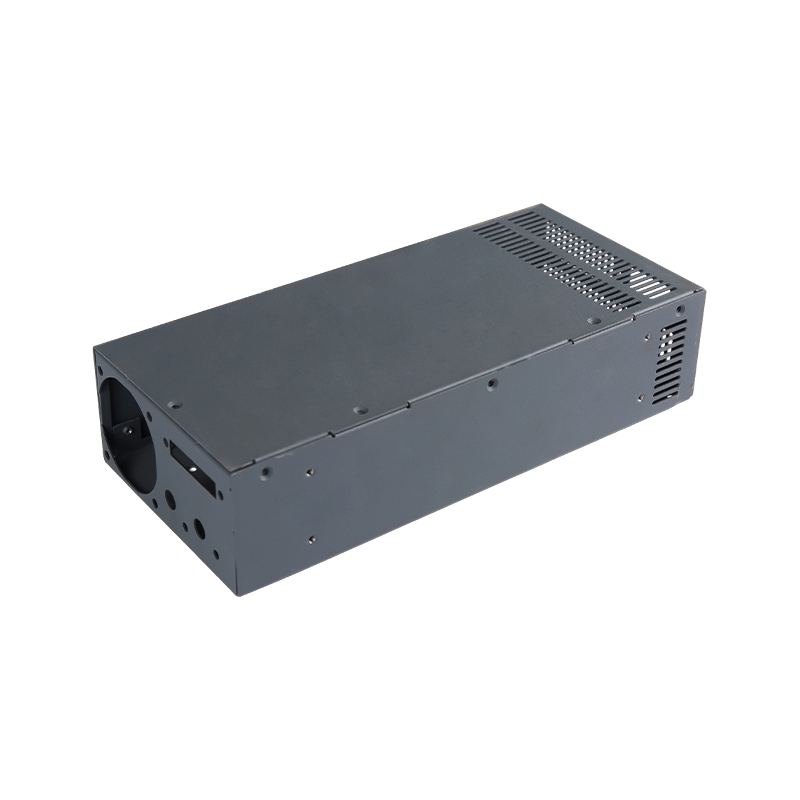
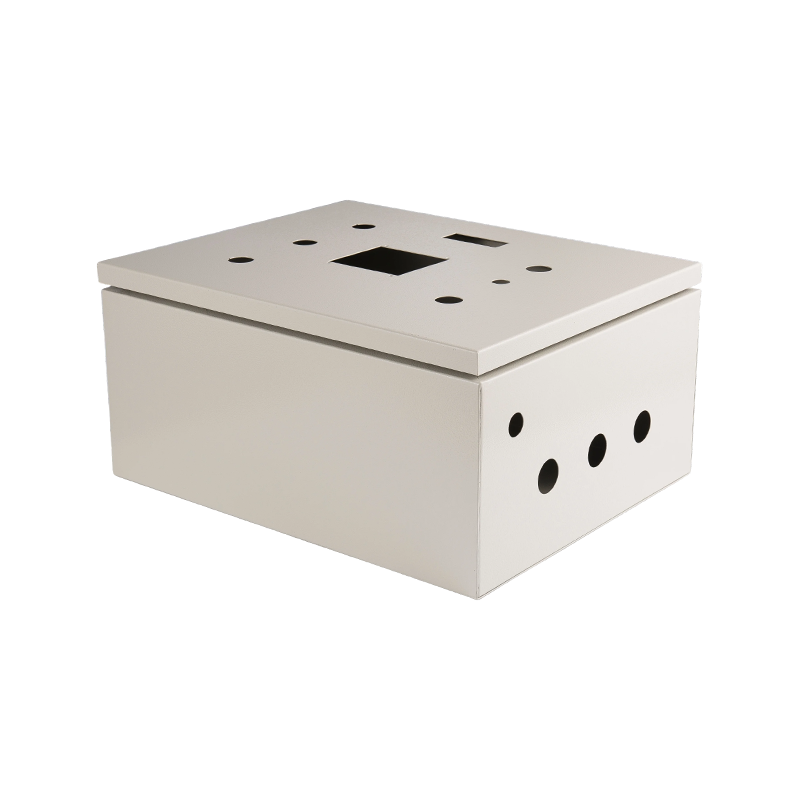
Enclosures show how these details compound. A cabinet with a sloped, vented top, rounded external edges, and a two-layer coating system will outlast a flat-topped, sharp-edged box finished identically. Our custom electrical boxes and cabinets are built around exactly these principles for power and industrial equipment.
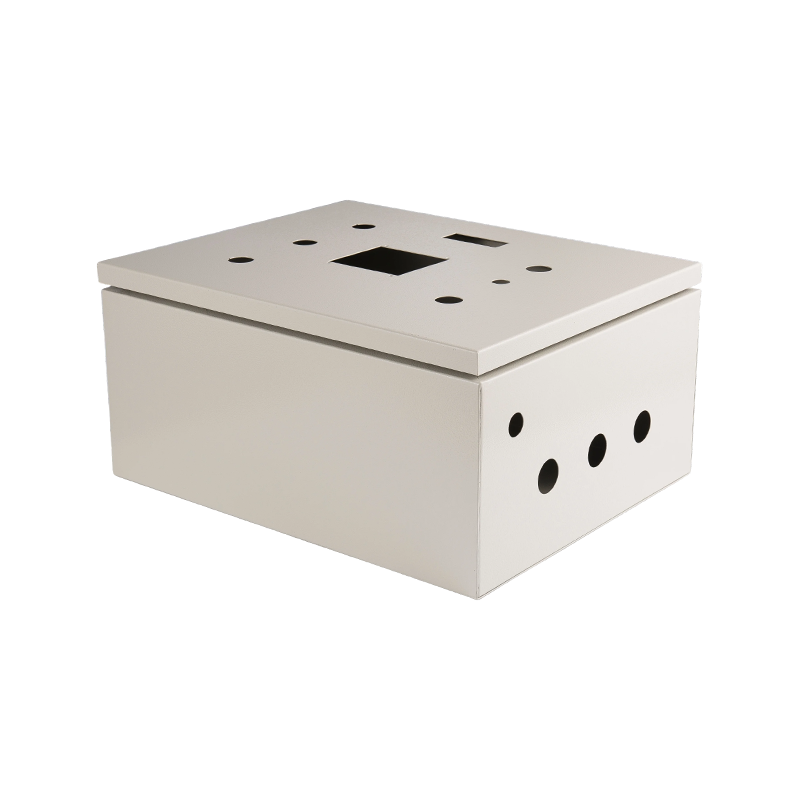 Custom Metal Distribution Boxes and CabinetsBuilt from high-strength sheet metal with waterproof, dustproof construction and corrosion-resistant finishes, these enclosures suit the outdoor, humid, and salt-spray environments discussed above.View Product →
Do Not Overlook Handles, Hinges, and Small Hardware
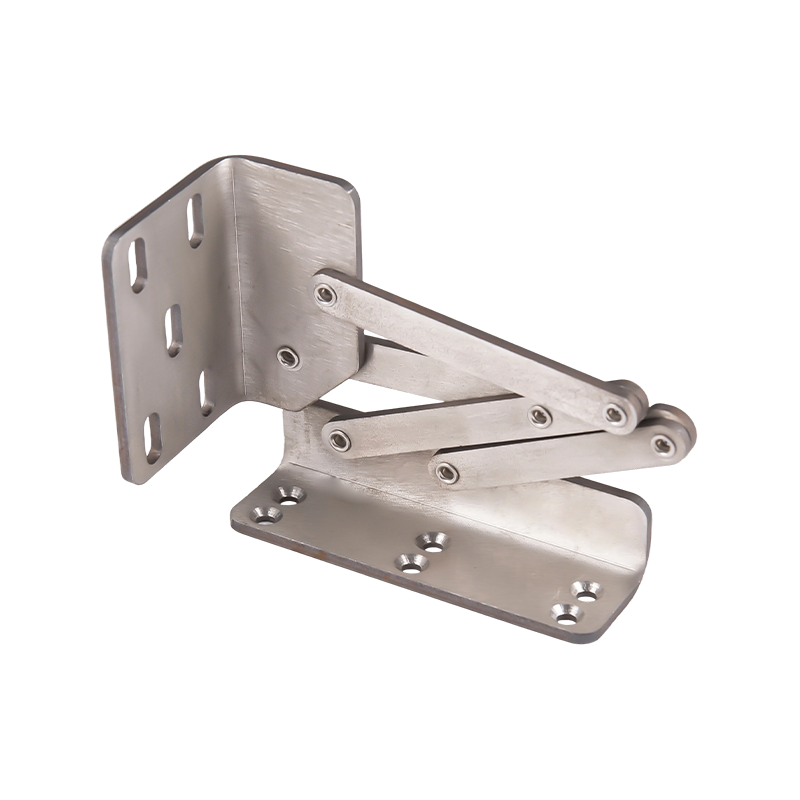
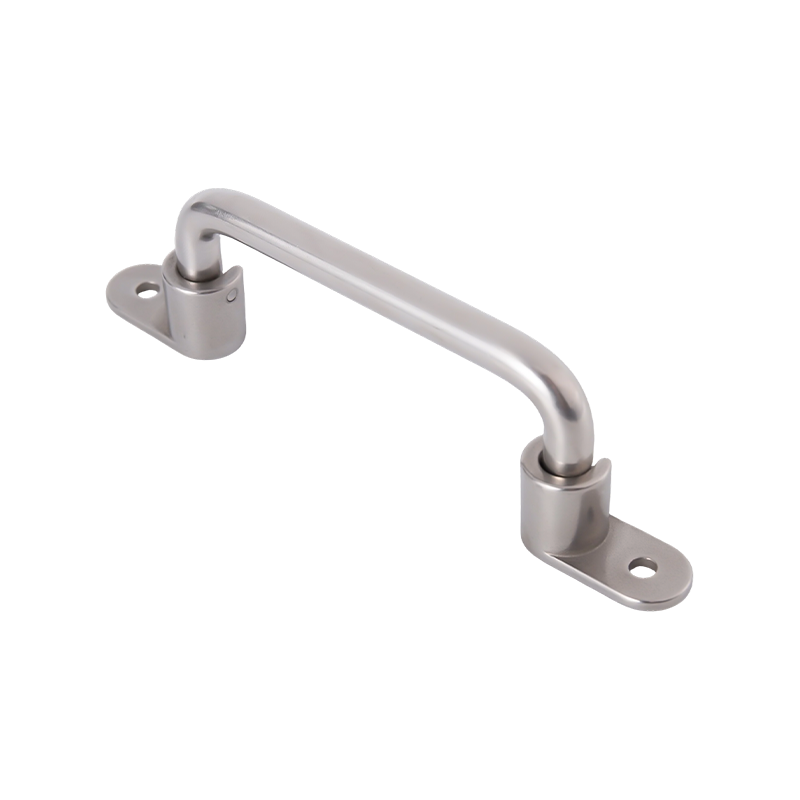
Handles and hinges sit at the intersection of corrosion risk and mechanical wear. A handle on a new-energy storage cabinet faces rain, UV, and salt-laden air; a hinge in a rail vehicle faces cleaning agents, condensation cycles, and constant movement that works coatings loose. For these parts, specify 304 or 316 stainless where the environment is aggressive, or zinc plating with a clear topcoat where the budget is tighter and the service is milder. Thin paint films on moving hardware tend to crack at the pivot and flake off, which is why plating outperforms coating there. Hardware is inexpensive relative to the assembly it protects, so this is not the place to economize.
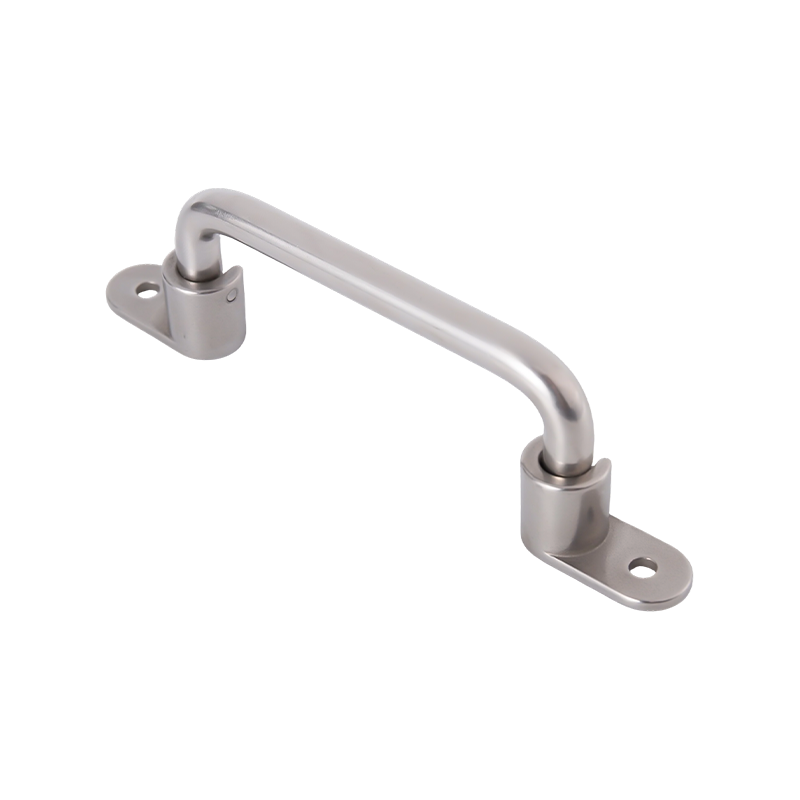 Custom Stainless Steel HandlesMade from 304 stainless steel with corrosion- and wear-resistant surface treatments, these handles suit cabinet hardware exposed to rain, UV, and salt-laden air as described.View Product →
Working With Your Fabricator on Corrosion Control
Corrosion control is easier when your fabricator treats it as part of the process rather than a final step. At the quotation stage, describe the service environment honestly: indoor or outdoor, coastal or inland, washdown or dry, moving or static. A capable sheet metal shop will respond with a material and finish recommendation, control pretreatment and coating thickness in production, and pack parts with VCI material and desiccants for transit. This is where a custom sheet metal fabrication service earns its price, because consistent cleaning, coating, and packaging are process disciplines, not luck.
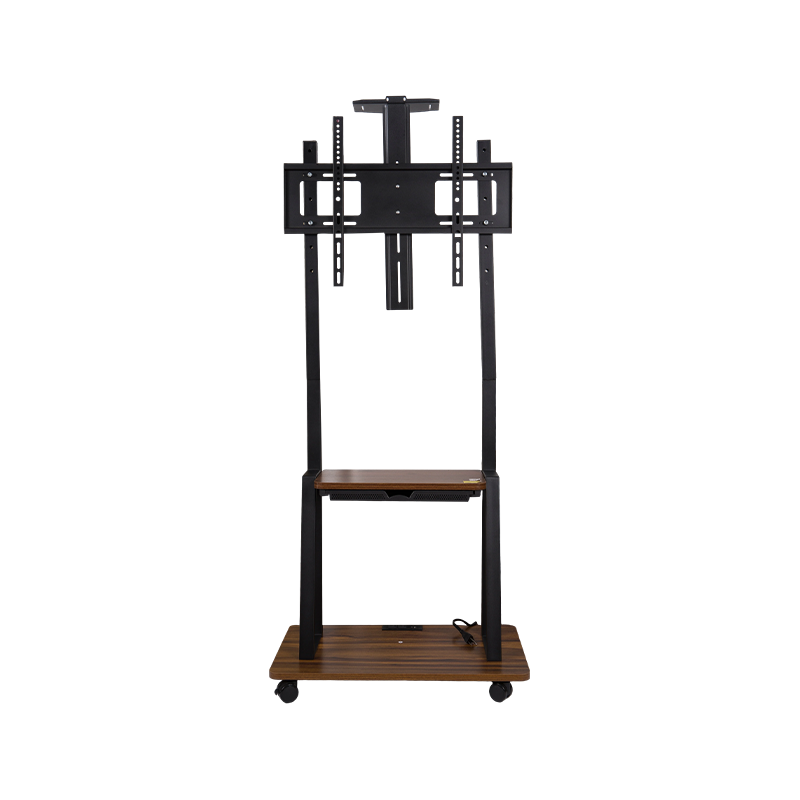 Custom Sheet Metal Fabrication ServicesWith laser cutting, CNC bending, welding, and controlled finishing processes, this fabrication service delivers consistent material and coating quality from quotation through packaging.View Product →
Frequently Asked Questions
Which material is the best choice if stainless steel is out of budget?
Galvanized steel with a powder topcoat is the usual compromise for outdoor parts. The zinc protects sacrificially at scratches, and the paint layer handles UV exposure and appearance.
Why did my stainless steel parts still show rust spots?
Usually free-iron contamination from carbon-steel tooling, brushes, or weld spatter, not the alloy itself. Passivation after fabrication removes the surface iron and restores the protective oxide layer.
Is powder coating alone enough for a coastal installation?
Often not. Salt aggressively attacks any film defect. Pair powder with an e-coat primer, upgrade to 316 stainless, or commit to a scheduled maintenance plan with touch-ups.
How long does zinc plating last outdoors?
It depends on coating thickness and environment, from months in marine service to several years inland. Neutral salt spray testing such as ASTM B117 provides a comparative rating, but real duty cycles vary, so add a topcoat for extended exposure.
What should I check when custom parts arrive?
Open the packaging within days, look for condensation, and inspect edges, welds, and bent areas first, since corrosion starts there. Photograph any issues immediately so the fabricator can correct the process or the shipment.
References
- ASTM International, ASTM B117 salt spray (fog) testing standard
- American Galvanizers Association, published zinc corrosion rate data
- Coating and plating supplier technical datasheets