

 English
 русский
 Español
Content
- 1 The Definitive Role of Metal Distribution Boxes
- 2 Core Functions and Application Scenarios
- 3 Primary Advantages of Metallic Enclosures
- 4 Internal Architecture and Key Components
- 5 Comparative Analysis: Metal Versus Plastic Enclosures
- 6 Installation and Environmental Considerations
- 7 Maintenance Best Practices for Longevity
The Definitive Role of Metal Distribution Boxes
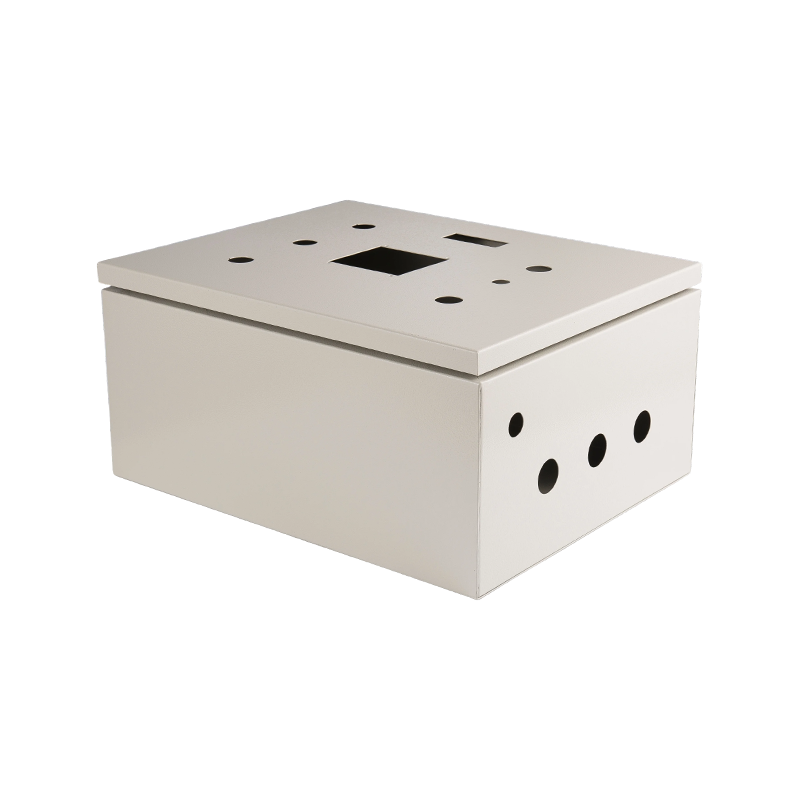
A metal distribution box is the critical foundation of any secure electrical system, engineered to safely route and control power across various circuits. By housing circuit breakers, fuses, and internal wiring within a robust enclosure, it actively isolates potentially hazardous electrical faults from the surrounding environment. Its primary value lies in providing superior physical protection, exceptional heat dissipation, and reliable fire containment compared to non-metallic alternatives. Whether deployed in a residential basement or a heavy industrial manufacturing floor, the integration of a high-quality metallic enclosure ensures operational continuity, mitigates fire risks, and guarantees the long-term safety of both personnel and equipment.
Core Functions and Application Scenarios
The fundamental purpose of this enclosure extends far beyond merely acting as a storage container for wires. It serves as a centralized hub where incoming electrical power is divided into multiple subsidiary circuits. This segmentation is crucial for preventing system-wide failures; if a fault occurs in one circuit, the corresponding breaker trips, isolating the issue without disrupting power to the rest of the facility.
Primary Applications Across Industries
- Industrial manufacturing plants where heavy machinery requires robust power routing and protection against harsh environmental conditions.
- Commercial buildings such as shopping centers and office complexes, which demand high-capacity power distribution and strict fire safety compliance.
- Outdoor installations and renewable energy farms, where the enclosure must withstand extreme weather, ultraviolet exposure, and temperature fluctuations.
- Hazardous locations including chemical processing facilities, where explosive gases or corrosive substances necessitate highly durable and sealed enclosures.
Primary Advantages of Metallic Enclosures
Choosing a metallic housing for electrical distribution provides a range of inherent benefits rooted in the material properties of the enclosure. These advantages directly translate to enhanced safety, reduced maintenance, and a longer operational lifespan.
- Superior Durability and Impact Resistance: The rigid structure withstands heavy physical impacts, vibrations, and rough handling, ensuring that the delicate internal components remain perfectly aligned and protected.
- Excellent Heat Dissipation: Metal naturally conducts heat away from the internal breakers and wiring. This passive thermal management prevents the accumulation of dangerous internal temperatures, reducing the risk of premature component failure.
- High-Level Fire Containment: Unlike plastics that may melt or ignite, metal is entirely non-combustible. It acts as a formidable barrier that contains electrical arcs or internal fires, preventing them from spreading to adjacent building materials.
- Electromagnetic Interference Shielding: The conductive enclosure blocks external electromagnetic noise, protecting sensitive internal circuitry from disruption and preventing the electrical system from radiating interference outward.
Internal Architecture and Key Components
Understanding the internal layout of a distribution box is essential for proper installation and troubleshooting. The interior is meticulously designed to maximize spatial efficiency while maintaining strict electrical clearances.
Essential Internal Elements
- Main Breaker: The primary disconnect switch that cuts power to the entire enclosure and all downstream circuits, serving as the first line of defense.
- Bus Bars: Solid metallic strips that conduct incoming power and distribute it efficiently to the individual circuit breakers.
- Neutral and Grounding Blocks: Dedicated terminal bars where all neutral wires and grounding wires are securely fastened, ensuring fault currents have a safe path to the earth.
- DIN Rails and Mounting Plates: Standardized metal rails and backplates that allow for the modular and secure snapping of breakers and other control devices.
- Cable Glands and Knockouts: Sealed entry points that allow external cables to enter the enclosure while maintaining structural integrity and environmental sealing.
Comparative Analysis: Metal Versus Plastic Enclosures
While non-metallic options exist, the choice between metal and plastic depends heavily on the specific environmental and operational demands. The table below outlines the distinct differences in performance characteristics.
| Performance Metric | Metal Distribution Box | Plastic Distribution Box |
|---|---|---|
| Physical Strength | Highly resistant to heavy impacts | Prone to cracking under stress |
| Thermal Conductivity | Excellent passive heat dissipation | Insulator, traps internal heat |
| Fire Resistance | Non-combustible, contains arcs | Melts and can contribute to fire |
| Chemical Corrosion | Requires special coatings | Naturally resistant to many acids |
| EMI Shielding | Provides total shielding | No shielding capabilities |
Installation and Environmental Considerations
Proper installation is critical to maximizing the effectiveness of a metal distribution box. Installers must account for both the physical placement and the specific environmental challenges of the location. In areas prone to high moisture or corrosive elements, selecting enclosures made from stainless steel or applying specialized powder coatings is imperative to prevent rust and structural degradation.
Furthermore, the enclosure must be mounted securely to a stable surface capable of supporting its considerable weight, especially before and after the heavy copper wiring is installed. Ensuring proper clearance around the box is vital for adequate ventilation and future maintenance access. The chosen environmental rating of the enclosure must match or exceed the severity of the installation site to guarantee long-term reliability.
Maintenance Best Practices for Longevity
To ensure the electrical system remains safe and functional over its intended lifespan, regular maintenance schedule must be strictly followed. Neglecting maintenance can lead to loose connections, increased resistance, and ultimately, catastrophic failure.
- Conduct periodic visual inspections to identify any signs of physical damage, moisture intrusion, or surface corrosion on the metallic enclosure.
- Verify the tightness of all terminal connections and bus bar joints, as thermal cycling and vibrations can cause screws to loosen over time.
- Remove accumulated dust and debris from the internal components using appropriate non-conductive cleaning tools to prevent tracking and short circuits.
- Inspect the integrity of rubber gaskets and door seals, replacing them if they show signs of degradation to maintain the environmental protection rating.
- Test the mechanical operation of all circuit breakers to ensure they trip correctly and move freely without mechanical binding.