

 English
 русский
 Español
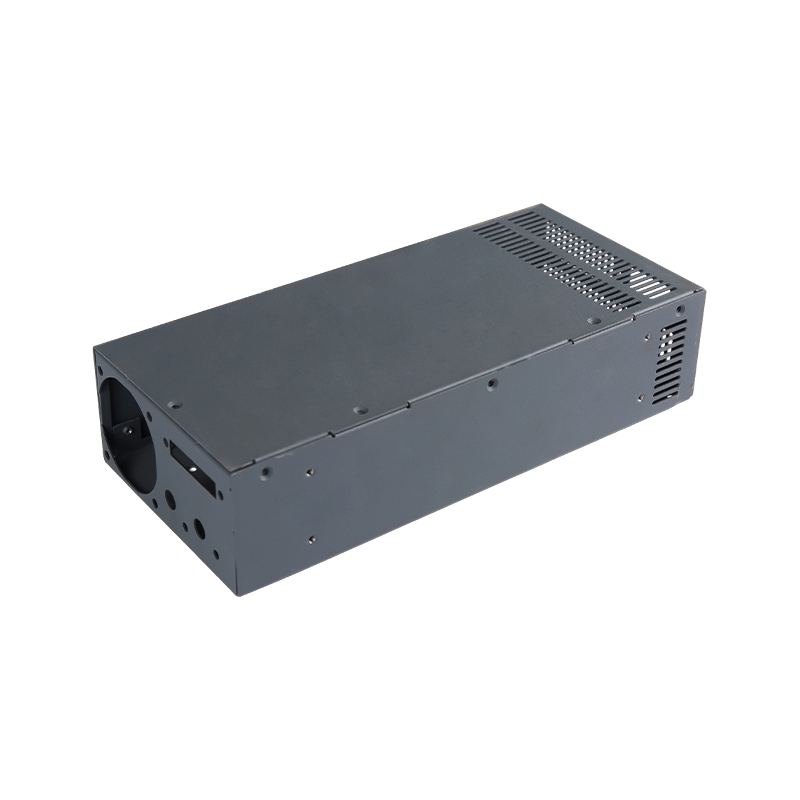
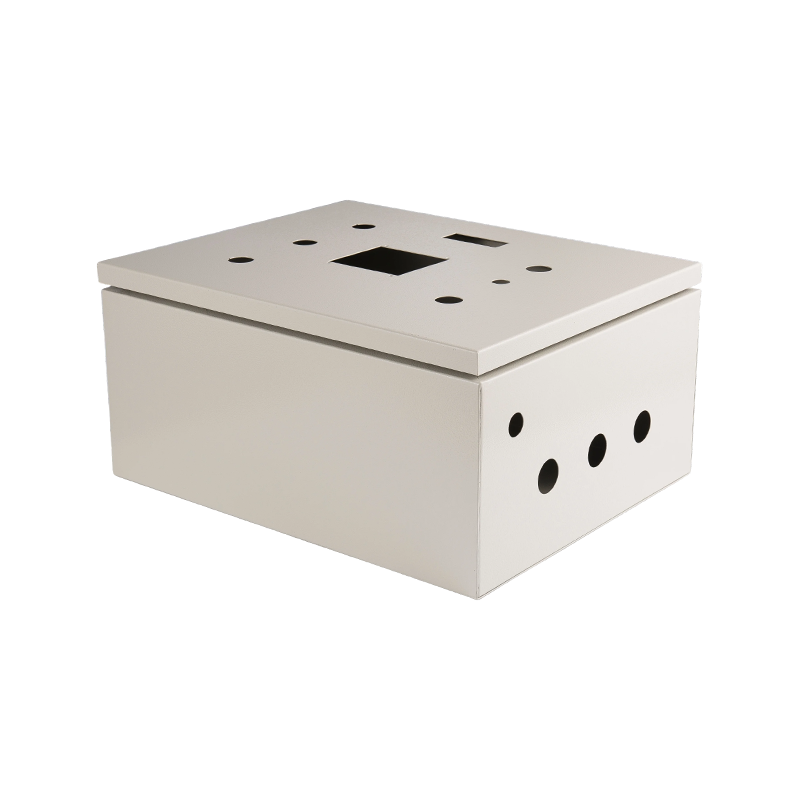
The power supply casing serves as the critical protective barrier between internal electronic components and the external environment, directly influencing thermal performance, electromagnetic interference shielding, mechanical durability, and overall system reliability across diverse operating conditions.
Core Functions of Power Supply Enclosures
Power supply casings perform multiple essential roles that extend far beyond simple physical protection. The enclosure must simultaneously manage heat dissipation, prevent electromagnetic interference from affecting nearby sensitive electronics, protect internal components from environmental hazards, and provide a safe interface for user interaction. A well-designed casing can extend the operational lifespan of power supply units by up to 40% compared to poorly designed alternatives.
The structural integrity of the casing determines how well the power supply withstands mechanical shocks, vibrations, and physical impacts during transportation and daily operation. Industrial environments particularly demand robust enclosures that resist oil, coolant splashes, and occasional tool impacts. Consumer electronics require casings that balance aesthetic appeal with functional protection against dust accumulation and accidental drops.
Materials Commonly Used in Power Supply Casings
Material selection fundamentally determines the performance characteristics and cost structure of power supply enclosures. Engineers must carefully weigh thermal conductivity, mechanical strength, weight, corrosion resistance, and cost when specifying materials for different applications.
Metallic Options
Steel remains the most prevalent material for power supply casings due to its excellent balance of strength, cost-effectiveness, and electromagnetic shielding properties. Cold-rolled steel sheets, typically ranging from 0.8mm to 1.5mm in thickness, provide adequate rigidity for most applications. Steel casings excel at attenuating electromagnetic interference, making them ideal for industrial power supplies operating near sensitive measurement equipment.
Aluminum offers superior thermal conductivity compared to steel, approximately three to five times better heat dissipation capability. This characteristic makes aluminum the preferred choice for high-power-density applications where thermal management presents significant challenges. The material's lighter weight also benefits portable equipment and aerospace applications where every gram matters. Aluminum casings frequently incorporate integrated heat sinks or fins to maximize surface area for convective cooling.
Non-Metallic Alternatives
Plastic enclosures have gained significant traction in consumer electronics due to their aesthetic flexibility, electrical insulation properties, and manufacturing cost advantages at high volumes. ABS and polycarbonate blends dominate this segment, offering adequate impact resistance and dimensional stability. However, plastics require careful thermal design considerations since they cannot conduct heat away from internal components.
Advanced ceramic composites and glass-filled polymers represent emerging alternatives for specialized applications requiring exceptional thermal stability and electrical isolation. These materials find applications in medical power supplies where patient safety demands superior insulation properties.
| Material Type | Thermal Conductivity | EMI Shielding | Typical Applications | Cost Level |
| Steel (Cold-rolled) | Moderate | Excellent | Industrial, Server PSUs | Low |
| Aluminum | Excellent | Good | High-power, Portable | Medium |
| ABS Plastic | Low | None (requires coating) | Consumer Electronics | Low |
| Polycarbonate | Low | None | Medical, Consumer | Medium |
| Magnesium Alloy | Good | Good | Aerospace, Military | High |
Enclosure Types and Configurations
Power supply casings come in various configurations designed to meet specific installation requirements and environmental conditions. Understanding these distinctions helps engineers select the most appropriate enclosure for their applications.
Open Frame Designs
Open frame power supplies feature minimal casing, typically consisting of a metal chassis that supports the printed circuit board and large components like transformers. This design prioritizes maximum cooling efficiency and minimal cost over environmental protection. Open frame units are intended for integration into larger enclosures where the host system provides adequate protection from external hazards. These units commonly appear in server racks, industrial control cabinets, and embedded systems.
Fully Enclosed Units
Fully enclosed power supplies provide complete environmental protection through sealed casings with appropriate ingress protection ratings. These enclosures prevent dust accumulation and moisture ingress, making them suitable for harsh industrial environments, outdoor installations, and food processing facilities where equipment must withstand regular washdown procedures. The trade-off for enhanced protection involves reduced cooling efficiency, requiring careful thermal derating considerations.
Ventilated Enclosures
- Allows natural air circulation for cooling
- Suitable for controlled indoor environments
- Lower cost than sealed alternatives
- Requires regular dust cleaning
Sealed Enclosures
- Complete protection against dust and water
- Ideal for outdoor and harsh environments
- Higher operating temperature ratings
- Premium pricing due to specialized design
DIN Rail Mount Configurations
DIN rail power supplies feature specialized casings designed for quick mounting on standard 35mm DIN rails, commonly used in industrial control panels. The enclosure design incorporates integral mounting clips that allow rapid installation and removal without tools. These units typically feature compact dimensions optimized for dense panel layouts, with widths standardized at multiples of 22.5mm to maintain consistent panel organization.
Desktop and Wall-Mount Styles
Consumer power adapters and external power supplies utilize desktop or wall-mount casing designs optimized for aesthetic appeal and space efficiency. Wall-mount units incorporate integrated AC plug blades that eliminate the need for power cords, reducing cable clutter and improving installation convenience. Desktop units provide larger enclosures that accommodate higher power components and multiple output connectors.
Thermal Management Through Casing Design
Heat dissipation represents one of the most critical functions of power supply casings. Power conversion inefficiencies generate substantial heat that must be transferred away from sensitive semiconductors and magnetic components to maintain reliable operation and prevent premature failure.
Conductive Heat Transfer
Metal casings facilitate conductive heat transfer from internal components to the enclosure surface, where heat can dissipate through convection and radiation. Designers often incorporate thermal interface materials between high-power components and the casing wall to improve thermal coupling. Aluminum casings with machined flat surfaces provide optimal thermal contact, while steel enclosures may require additional thermal management features.
Forced Air Cooling Integration
Higher power supplies require active cooling through internal fans that circulate air within the enclosure. Casing design must accommodate optimal fan placement, airflow paths, and ventilation openings that minimize noise while maximizing cooling effectiveness. Strategic vent placement can improve airflow efficiency by 25-35% compared to poorly designed alternatives.
Effective thermal management requires balancing multiple factors: ambient temperature range, power dissipation requirements, available space for airflow, acoustic noise limits, and reliability targets for fan components. High-quality power supply casings incorporate features like chamfered vent edges to reduce air resistance and turbulence-induced noise.
Convection and Radiation Surfaces
External casing surfaces contribute significantly to overall thermal performance through natural convection and radiation heat transfer. Finned surfaces and textured treatments increase effective surface area, improving heat dissipation without requiring additional power for active cooling. Anodized aluminum surfaces provide enhanced emissivity compared to polished metals, improving radiative heat transfer by up to 90% over untreated surfaces.
Ingress Protection Ratings Explained
Ingress Protection ratings provide standardized classification of enclosure sealing effectiveness against solid objects and liquids. Understanding these ratings enables proper selection of power supply casings for specific environmental conditions.
The IP rating system uses a two-digit format where the first digit indicates protection against solid objects and the second digit represents liquid ingress protection. For power supply applications, common ratings include:
- IP20: Finger protection only, suitable for controlled indoor environments with no exposure to moisture or dust
- IP40: Protection against small objects, appropriate for industrial control panels with filtered cooling
- IP54: Dust protection and splash resistance, suitable for light industrial applications
- IP65: Dust-tight and protected against water jets, required for food processing and outdoor applications
- IP67: Complete dust protection and temporary immersion protection, essential for harsh outdoor environments
| IP Rating | Solid Protection | Liquid Protection | Environment Type |
| IP20 | Finger-sized objects | None | Clean indoor, office equipment |
| IP40 | Small tools, wires | None | Industrial control panels |
| IP54 | Limited dust ingress | Splashing water | Light industrial |
| IP65 | Dust-tight | Water jets | Heavy industrial, outdoor |
| IP67 | Dust-tight | Temporary immersion | Harsh outdoor, marine |
Electromagnetic Interference Shielding Properties
Power supplies generate electromagnetic interference through high-frequency switching operations that can disrupt nearby sensitive electronics. The casing material and construction significantly influence EMI containment effectiveness.
Conductive Material Shielding
Metal casings provide inherent EMI shielding through the Faraday cage effect, where conductive surfaces reflect and absorb electromagnetic energy. Steel enclosures offer superior low-frequency shielding compared to aluminum due to higher magnetic permeability. This characteristic makes steel particularly effective for power supplies operating near audio equipment and sensitive analog circuits.
Plastic Enclosure Considerations
Plastic casings require additional measures to achieve adequate EMI shielding. Conductive coatings applied through painting, plating, or vapor deposition processes create a conductive layer that provides electromagnetic containment. These coatings add cost and may degrade over time through scratching or corrosion, requiring careful handling during assembly and maintenance.
Regulatory standards require power supplies to meet specific electromagnetic compatibility limits. Casing design must account for both radiated emissions from the unit and susceptibility to external electromagnetic fields. Apertures and seams in metal enclosures can act as slot antennas, potentially allowing EMI leakage if not properly designed with overlapping joints or conductive gaskets.
Mechanical Durability and Safety Features
Power supply casings must withstand various mechanical stresses while maintaining electrical safety for users and maintenance personnel. Robust construction and thoughtful safety features distinguish quality enclosures from inferior alternatives.
Impact and Vibration Resistance
Industrial environments subject power supplies to substantial mechanical abuse from accidental impacts, equipment vibration, and transportation handling. Quality casings incorporate design features like reinforced corners, strategic rib placement, and adequate material thickness to absorb mechanical energy without permanent deformation. Testing standards require power supplies to survive multiple 30cm drops onto concrete surfaces without functional impairment.
Electrical Safety Barriers
The casing provides the primary barrier against electrical shock hazards. Metal enclosures must maintain proper grounding connections through all operating conditions, while plastic housings must ensure adequate creepage and clearance distances between hazardous voltages and user-accessible surfaces. Safety standards mandate specific spacing requirements that influence internal component placement and casing dimensions.
Fire Resistance Requirements
Power supply casings must meet flammability standards that prevent fire propagation under fault conditions. Materials are classified according to UL94 standards, with V-0 rated materials self-extinguishing within 10 seconds after flame removal. Critical applications in transportation and medical equipment demand higher-rated materials that provide enhanced fire safety margins.
Application-Specific Selection Guidelines
Different application environments demand distinct casing characteristics. Understanding these requirements enables optimal enclosure selection that balances performance, durability, and cost considerations.
Consumer Electronics Applications
Consumer power supplies prioritize aesthetic appeal, compact dimensions, and cost efficiency. Plastic casings dominate this segment, offering design flexibility for brand differentiation and user-friendly features like cable management. Thermal management relies primarily on convection through ventilation slots, with careful component placement ensuring safe external surface temperatures during normal operation.
Industrial Equipment Requirements
Industrial power supplies demand robust metal casings capable of withstanding harsh environmental conditions including temperature extremes, vibration, oil exposure, and electrical noise. DIN rail mounting configurations provide standardized installation that simplifies system integration and maintenance access. Higher ingress protection ratings ensure reliable operation despite dust accumulation and occasional moisture exposure.
Medical and Healthcare Standards
Medical power supplies face stringent safety requirements including enhanced insulation, leakage current limits, and reliability standards. Casings for medical applications typically utilize high-grade plastics or specially coated metals that provide superior electrical isolation. Design considerations include cleaning compatibility with hospital disinfectants and electromagnetic compatibility with sensitive diagnostic equipment.
Installation and Maintenance Considerations
Practical installation requirements and ongoing maintenance needs influence casing design decisions. Thoughtful enclosure features can significantly reduce installation time and simplify routine servicing procedures.
Mounting Options and Flexibility
Quality power supply casings provide multiple mounting options to accommodate various installation scenarios. Standard features include keyhole slots for wall mounting, chassis tabs for equipment integration, and rail clips for industrial panel installation. Well-designed mounting provisions can reduce installation time by 50% compared to units requiring custom brackets or adapters.
Accessibility for Service
Field-serviceable power supplies require casing designs that allow authorized technicians to access internal components safely. Removable covers with captured fasteners, clear labeling of hazardous voltage areas, and logical component arrangement all contribute to efficient maintenance procedures. Tamper-resistant designs prevent unauthorized access while still enabling authorized service when required.
Indicator and Control Integration
Many power supply casings incorporate status indicators, adjustment potentiometers, and output connection points that require thoughtful placement for user accessibility. Panel-mount power supplies position these features on the front face where operators can easily monitor operation and make adjustments without removing protective enclosures.
Future Trends in Power Supply Enclosure Design
The evolution of power supply technology continues to drive innovations in casing design, addressing emerging requirements for higher power density, improved efficiency, and enhanced functionality integration.
Integrated Thermal Solutions
Next-generation power supply casings increasingly incorporate sophisticated thermal management features including phase-change materials, liquid cooling channels, and synthetic jet actuators. These advanced solutions enable higher power densities without proportional increases in enclosure size, addressing space constraints in modern electronic systems.
Smart Monitoring Integration
Emerging power supply designs integrate monitoring sensors and communication interfaces directly into the casing structure. Temperature sensors, humidity indicators, and vibration detectors provide real-time condition monitoring that enables predictive maintenance and improves system reliability. These smart features require careful electromagnetic design to prevent sensor interference with power conversion circuits.
Sustainable Material Development
Environmental considerations drive research into sustainable casing materials including recycled metals, bio-based polymers, and designs optimized for end-of-life recycling. Regulatory requirements increasingly mandate material disclosure and recyclability assessments that influence material selection and manufacturing processes.
Key Selection Checklist
When evaluating power supply casings for specific applications, consider these essential factors to ensure optimal performance and reliability:
- Verify ingress protection rating matches environmental exposure conditions
- Confirm thermal management capability handles maximum power dissipation
- Ensure EMI shielding meets application electromagnetic compatibility requirements
- Check mounting compatibility with intended installation configuration
- Validate material suitability for operating temperature range and chemical exposure
- Assess mechanical durability for expected vibration and impact conditions
- Verify safety certifications cover applicable regulatory requirements
- Consider long-term maintenance accessibility and service requirements
Proper attention to these selection criteria ensures that the power supply casing provides reliable protection and performance throughout the expected product lifecycle. The enclosure represents a relatively small portion of total power supply cost but significantly influences overall system reliability and user satisfaction.