

 English
 русский
 Español
Content
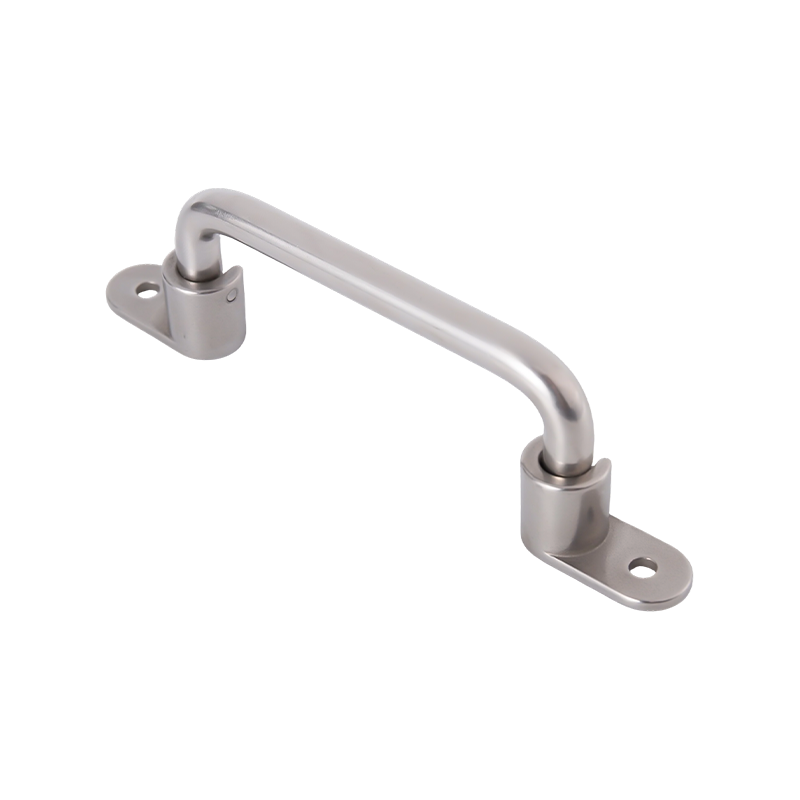
Stainless steel handles are the superior choice for both residential and commercial hardware applications due to their unmatched combination of durability, hygiene, and long-term cost-effectiveness. Unlike other metals that may degrade over time, stainless steel offers an inherent resistance to corrosion, staining, and rust, making it a highly reliable option for high-traffic areas and demanding environments. The primary advantage lies in its chromium content, which forms a passive layer of protection that self-heals when exposed to oxygen. This means that even if the surface is scratched, the material continues to protect itself, ensuring a lifespan that far exceeds that of standard plated or coated hardware.
Whether you are outfitting a professional kitchen, upgrading commercial doors, or selecting hardware for marine environments, stainless steel handles provide a balance of structural integrity and aesthetic appeal that is difficult to surpass. They require minimal maintenance, do not harbor bacteria easily when properly finished, and contribute to sustainable building practices due to their recyclability. Ultimately, investing in this material translates to decades of reliable service without the need for frequent replacements.
Core Advantages of Choosing Stainless Steel
Exceptional Corrosion and Rust Resistance
The most significant benefit of utilizing stainless steel handles is their ability to withstand harsh environmental conditions without succumbing to rust. This is particularly crucial in coastal areas where salt spray is prevalent, or in industrial settings where exposure to chemicals is common. The invisible chromium oxide layer prevents oxygen and moisture from reaching the underlying iron structure, effectively halting the oxidation process that causes rust. Because this protective layer is integral to the material rather than a surface coating, it will not chip, peel, or wear away over time.
Superior Hygiene and Sanitation
In environments where cleanliness is paramount, such as hospitals, commercial kitchens, and food processing facilities, the choice of hardware is critical. Stainless steel handles are non-porous, meaning they do not have microscopic crevices where bacteria, mold, or viruses can accumulate. They can withstand rigorous cleaning with harsh disinfectants and high-pressure washing without degrading. This inherent hygienic quality makes them the industry standard for applications requiring strict adherence to health and safety regulations.
High Structural Strength and Longevity
Beyond its aesthetic and protective qualities, stainless steel boasts an impressive strength-to-weight ratio. Handles crafted from this material can endure substantial physical stress, heavy loads, and constant usage without bending, warping, or breaking. This mechanical robustness ensures that in high-traffic commercial buildings, the hardware will remain functional and secure for many years, significantly reducing the long-term costs associated with maintenance and replacement.
Understanding Material Grades
Not all stainless steel is created equal. The performance of a handle is heavily dependent on the specific alloy grade used during manufacturing. Selecting the correct grade ensures that the hardware will perform as expected in its intended environment. Below is a comparison of the most common grades used for manufacturing handles.
| Grade | Key Characteristics | Ideal Applications |
|---|---|---|
| 304 Stainless Steel | Excellent general corrosion resistance, good formability, and high strength. The most widely used grade. | Residential doors, indoor commercial hardware, kitchen cabinetry, and general architectural use. |
| 316 Stainless Steel | Contains molybdenum for superior resistance to pitting and crevice corrosion in chloride environments. | Marine environments, coastal buildings, chemical plants, and outdoor swimming pool facilities. |
Choosing 316 grade over 304 grade is essential when the hardware will be exposed to saltwater or de-icing salts. While 304 is perfectly adequate for indoor and standard outdoor use, the addition of molybdenum in 316 provides a necessary defense mechanism against localized corrosion that can compromise the integrity of the handle in extreme environments.
Practical Applications Across Industries
The versatility of stainless steel handles allows them to be utilized across a vast spectrum of industries, each with its own unique demands. Understanding how these handles function in specific scenarios highlights their practical value.
Commercial and Architectural Hardware
In commercial architecture, door handles and pull bars must withstand thousands of interactions daily. Office buildings, hospitals, and retail spaces rely on stainless steel because it maintains its appearance despite constant human contact. The natural oils and moisture from human hands can cause other metals to tarnish or corrode, but stainless steel remains unaffected, requiring only a simple wipe-down to restore its original luster.
Food Service and Hospitality
Commercial kitchens demand hardware that can endure extreme temperature fluctuations, frequent washdowns, and exposure to acidic food substances. Stainless steel handles on refrigeration units, ovens, and prep tables do not react with food acids, preventing contamination. Furthermore, their ability to withstand high-temperature cleaning cycles ensures that strict sanitation standards are consistently met.
Marine and Outdoor Structures
Boats, docks, and coastal properties face a relentless assault from saltwater and humid air. Hardware in these settings must be virtually impervious to corrosion to ensure safety and functionality. Using appropriately graded stainless steel handles for hatches, cabinets, and railings prevents the structural failures and unsightly staining that inevitably occur when lesser materials are exposed to marine conditions.
Selecting the Appropriate Surface Finish
The finish applied to a stainless steel handle affects not only its visual appeal but also its resistance to environmental factors and its maintenance requirements. The manufacturing process alters the surface texture, which can impact how the metal interacts with contaminants.
- Brushed Finish: Created by polishing the metal with a fine abrasive, this finish features a distinct directional grain. It is highly effective at hiding minor scratches and fingerprints, making it the most popular choice for high-traffic commercial doors and kitchen cabinetry.
- Mirror Polish: A highly reflective, smooth finish achieved through progressive polishing stages. While aesthetically striking and easy to clean, it readily shows fingerprints and water spots, requiring more frequent maintenance to keep its pristine appearance.
- Satin Finish: A softer, less reflective appearance than a mirror polish but smoother than a heavy brush. It offers a balanced aesthetic that complements modern architectural designs while providing moderate resistance to visible smudging.
- Powder-Coated: While technically a coating rather than a raw finish, applying a durable powder coat over stainless steel can add specific colors for design matching while providing an additional layer of protection against chemical exposure.
Installation and Maintenance Best Practices
Proper Installation Techniques
To maximize the lifespan of stainless steel handles, proper installation is crucial. It is important to use compatible fasteners; using carbon steel screws or bolts can cause galvanic corrosion, where the dissimilar metals react in the presence of moisture. Always use stainless steel fasteners of the same grade to maintain uniformity and prevent premature failure. Additionally, ensure that mounting surfaces are clean and free of debris to allow for a secure, flush fit that prevents stress concentrations.
Routine Cleaning Protocols
Despite its durability, stainless steel requires regular cleaning to maintain its protective oxide layer and aesthetic appeal. The accumulation of dirt, salt, or airborne chemicals can trap moisture against the surface, potentially leading to surface staining or pitting over time.
- Wipe the handle down with a soft cloth and warm water mixed with a mild detergent.
- Rinse the surface thoroughly with clean water to remove any soap residue.
- Dry the handle completely with a clean, dry microfiber cloth to prevent water spots and mineral buildup.
- For stubborn stains, use a specialized stainless steel cleaner that does not contain chlorides or harsh abrasives.
Avoid using steel wool, wire brushes, or cleaners containing hydrochloric acid, as these can scratch the surface or break down the protective chromium oxide layer. If cleaning with a scouring pad is absolutely necessary, always scrub in the direction of the existing polishing grain to avoid creating visible cross-scratches.
Evaluating Cost-Effectiveness and Investment Return
When assessing hardware options, it is essential to look beyond the initial purchase price and consider the total cost of ownership. While stainless steel handles typically carry a higher upfront cost compared to alternatives like zinc or aluminum, their extended lifespan and minimal maintenance requirements offer a significantly better return on investment.
In a commercial setting, the labor costs associated with replacing degraded hardware, along with the aesthetic damage caused by rusting handles staining surrounding wood or drywall, can quickly eclipse the initial savings of choosing a cheaper material. Over a building's lifecycle, stainless steel handles often prove to be the more economical choice, eliminating the need for repeated replacements and reducing ongoing maintenance expenditures. Furthermore, the timeless aesthetic of stainless steel ensures that the hardware will not look dated as design trends evolve, preserving the visual value of the property.
Ultimately, the decision to install stainless steel handles is an investment in reliability, hygiene, and lasting performance. By understanding the material grades, selecting appropriate finishes, and adhering to basic maintenance protocols, property owners and facility managers can ensure that their hardware remains functional and attractive for decades.