

 English
 русский
 Español
Content
Steel lockers represent the ultimate solution for secure, durable, and organized storage across educational, commercial, and industrial environments. By offering superior impact resistance, inherent fire safety, and long-term cost-effectiveness, steel lockers consistently outperform plastic and wooden alternatives in demanding settings. Investing in the correct configuration and maintaining it properly ensures that these storage units will provide reliable service for decades without compromising on security or aesthetics.
The Core Advantages of High-Quality Steel Lockers
When evaluating storage solutions, the material composition is the most critical factor. Steel provides a unique combination of strength and adaptability that other materials simply cannot match. The structural integrity of a steel locker ensures that the contents remain protected from external forces, unauthorized access, and environmental factors.
Durability and Longevity
Steel is inherently resistant to the wear and tear of daily use. Unlike plastic, which can become brittle over time, or wood, which can warp or rot in humid conditions, steel maintains its structural shape. Most modern steel lockers are treated with a powder-coated finish, which bonds to the metal on a molecular level. This finish prevents chipping, scratching, and rusting. In high-traffic environments, a well-maintained steel locker can easily last upwards of fifteen to twenty years, drastically reducing the need for frequent replacements and lowering long-term facility management costs.
Security and Strength
Security is the primary purpose of any locker, and steel excels in this domain. The rigid nature of the material makes it highly resistant to prying, kicking, or blunt force. Steel lockers can accommodate a variety of locking mechanisms, ranging from traditional key and padlock hasps to modern digital combination locks and RFID systems. Because the door and frame are manufactured from heavy-gauge steel, the physical barrier itself acts as a strong deterrent against theft and vandalism. Additionally, steel is a non-combustible material, meaning it will not contribute fuel to a fire, thereby enhancing the overall safety of the building.
Primary Applications for Steel Lockers
The versatility of steel lockers allows them to be deployed in a wide array of settings. Their ability to be configured into different sizes and compartment layouts makes them suitable for storing everything from textbooks to heavy industrial gear.
Educational Facilities
In schools and universities, lockers must withstand constant use by hundreds of students daily. Steel lockers provide a secure place for students to store heavy textbooks, personal electronic devices, and outerwear. The noise generated by slamming doors can be mitigated by selecting models equipped with rubber bumpers and continuous piano hinges, which also prevent finger injuries. The robust nature of steel ensures that the lockers can endure the occasional bump from a backpack or an accidental kick without sustaining permanent damage.
Industrial and Commercial Workplaces
In manufacturing plants, warehouses, and corporate offices, steel lockers serve essential operational functions. Factory workers use them to store personal protective equipment (PPE), keeping hazardous work gear separate from civilian clothing. In corporate environments, employees utilize them to secure laptops, documents, and personal belongings, fostering a clean-desk policy. The adaptability of steel lockers allows facility managers to customize compartment sizes to accommodate large helmets and boots in industrial settings, or smaller, uniform cubbies for office environments.
Key Factors in Evaluating and Selecting Steel Lockers
Selecting the right steel locker involves more than just measuring the available floor space. Facility managers must consider the specific demands of the environment and the users. Paying attention to manufacturing details will ensure the lockers meet the operational requirements.
Material Thickness and Gauge
The strength of a steel locker is directly related to its gauge. Gauge refers to the thickness of the steel sheet used in construction; a lower gauge number indicates thicker steel. For standard applications, doors are typically manufactured using a thicker gauge (such as 16 or 18 gauge) to withstand impact, while the body might use a slightly lighter gauge (20 gauge) to optimize weight and cost. Selecting the appropriate gauge is critical for environments prone to heavy abuse, as thicker steel provides superior resistance to denting and forced entry.
Ventilation and Aesthetics
Proper airflow is essential to prevent the buildup of moisture and odors, especially when storing gym clothes or damp work boots. Lockers designed with louvers or perforated doors allow air to circulate freely, inhibiting the growth of mold and mildew. From an aesthetic standpoint, the powder-coated finish is available in a wide spectrum of colors. This allows architects and designers to match the lockers to the interior design scheme, creating a cohesive and professional appearance that enhances the visual appeal of the space.
Maintenance Practices for Steel Lockers
While steel lockers are incredibly durable, implementing a routine maintenance schedule will significantly extend their lifespan and keep them looking new. Maintenance should focus on both the physical structure and the moving parts.
- Regular Cleaning: Wipe down the exterior and interior surfaces with a soft cloth and a mild detergent solution. Avoid using abrasive cleaners or harsh chemicals, as they can scratch the powder-coated finish and compromise the protective layer.
- Hinge Lubrication: The hinges and locking mechanisms should be lubricated periodically with a dry silicone spray or light machine oil. This prevents squeaking, ensures smooth door operation, and protects the metal components from friction wear.
- Surface Inspection: Routinely inspect the lockers for any signs of chipped paint or exposed metal. If a scratch is discovered, it should be touched up immediately with matching paint to prevent oxidation and rust from forming.
- Hardware Tightening: Over time, the constant opening and closing of doors can cause screws and bolts to loosen. A quarterly check to tighten all hardware will maintain the structural rigidity of the locker banks.
Comparison of Steel Locker Configurations
Steel lockers are manufactured in various configurations to suit different spatial constraints and storage needs. Understanding the differences between these configurations will aid in making an informed procurement decision. The table below outlines the common configurations and their ideal use cases.
| Configuration Type | Storage Capacity | Ideal Application |
|---|---|---|
| Single Tier | Full height, hanging space | Schools, Gyms, Workplaces |
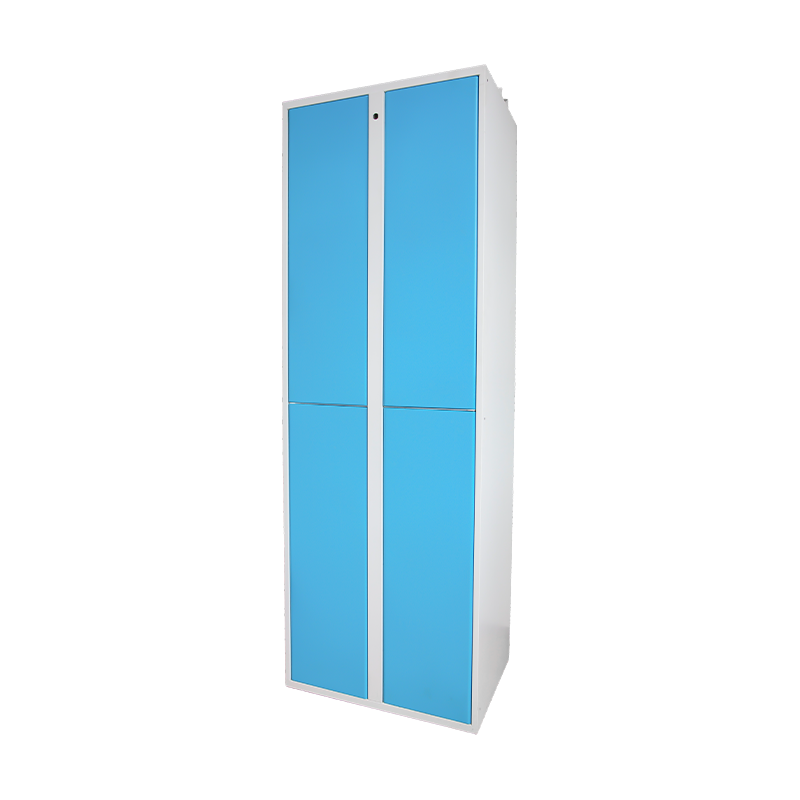
| Double Tier | Two stacked compartments | High-density areas, short items |
| Box Style (Six Tier) | Six small cubbies | Personal items, wallets, phones |
| Wide Body | Extra horizontal space | Industrial gear, large helmets |
By carefully analyzing the spatial footprint and the specific items that need to be stored, organizations can optimize their storage efficiency. Single-tier lockers offer the most versatility for hanging garments, while box-style configurations are highly efficient for maximizing the number of users in a limited area. Choosing the correct configuration not only maximizes space but also improves user satisfaction by providing appropriately sized storage for their daily needs.