

 English
 русский
 Español
Content
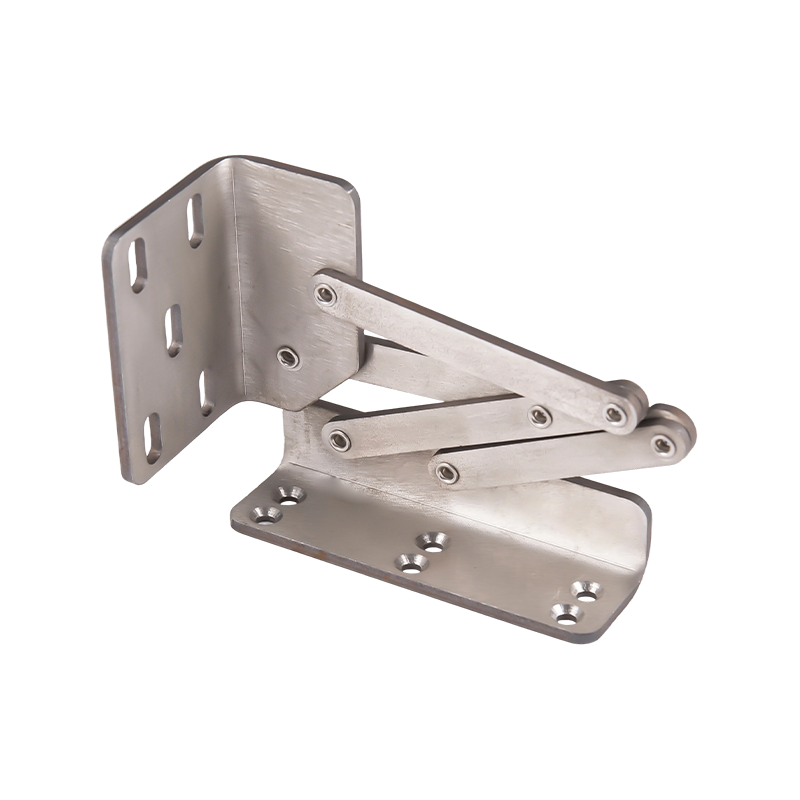
Stainless steel hinges stand as the top hardware choice for rotating connection parts exposed to moisture, salt mist and frequent opening and closing. They outperform iron, zinc alloy and coated steel hinges in anti-corrosion capacity and structural stability, fitting residential cabinetry, interior doors, outdoor enclosures, marine equipment and industrial machinery. Under standard daily use and simple regular maintenance, qualified stainless steel hinges deliver a usable lifespan over a decade, which is three to five times longer than ordinary metal hinges without stainless steel composition.
Many users ignore material differences when purchasing connecting hinges, only to face rust, loose joints and broken shafts within short periods. Stainless steel hinges solve these pain points fundamentally by relying on chromium alloy layers inside the raw material, forming a self-protective oxide film to block erosion from water vapor, chemical cleaning agents and saline air. This article elaborates on material traits, mainstream classifications, application matching rules, performance comparison and daily maintenance methods to help users make reasonable selections for different usage environments.
Material Characteristics That Define Stainless Steel Hinges’ Performance
Anti-corrosion Mechanism of Stainless Steel Raw Material
The core anti-rust capability of stainless steel hinges originates from chromium elements blended into the metal base. When chromium content reaches a specific proportion, a thin, dense passive film automatically forms on the metal surface once contacting oxygen. This film tightly covers the whole hinge surface, isolating corrosive media such as water, acid mist and salt particles from touching internal metal structures. Once the surface film gets scratched, new passive film will regenerate rapidly under oxygen exposure, a self-repair feature no ordinary carbon steel hardware can match.
Ordinary iron hinges rely on paint or electroplating layers for rust prevention. Once the coating peels off after repeated friction during door opening, bare metal will oxidize quickly, generating yellow rust stains that contaminate wood, metal panels and surrounding surfaces. Test data shows common plated iron hinges develop obvious rust within 12 months in bathroom or coastal spaces, while standard stainless steel hinges show zero corrosion traces after 8 years of identical environment exposure.
Mechanical Performance of Stainless Steel Hinge Bodies
Stainless steel balances hardness and ductility well, making it ideal for hinge manufacturing. The hinge shaft, leaf plate and rivet all bear continuous shear force and friction every time doors or cabinets swing open. Materials overly hard will crack under impact; overly soft materials deform permanently after long-term load bearing. Stainless steel avoids both defects, maintaining original shape and rotation smoothness after tens of thousands of opening cycles.
Temperature adaptability is another prominent merit. Stainless steel will not soften under high indoor heat nor turn brittle in cold outdoor winter conditions. For facilities placed in uninsulated outdoor yards or seaside cabins, stainless steel hinges keep consistent rotation resistance all year round, without jamming or shaft loosening caused by thermal expansion and contraction.
Main Types of Stainless Steel Hinges and Their Matching Scenarios
Stainless steel hinges are categorized by structural design and functional attributes, each type designed for specific installation objects and load requirements. Clear classification helps users avoid mismatched hardware that causes premature failure. Below are mainstream types and applicable scenes sorted by usage frequency:
- Cabinet concealed stainless steel hinges: Equipped with built-in buffer structures, widely used for kitchen and bathroom cabinet doors. They hide completely inside cabinets after installation, presenting neat surface decoration effects, and buffer function eliminates loud collision noise when doors close.
- Flat stainless steel butt hinges: Simple two-leaf flat structure, suitable for solid wood doors, small outdoor storage boxes and industrial equipment access panels. Easy to install and bear moderate weight loads.
- Marine heavy-duty stainless steel hinges: Made of high chromium stainless steel grade, resisting strong salt mist erosion. Applied on yacht hatches, seaside storage cabinets and coastal outdoor guardrail doors with long-term salt air contact.
- Removable pin stainless steel hinges: The central shaft can be pulled out to separate two leaf plates, convenient for frequent disassembly of doors, inspection windows and maintenance equipment covers without detaching mounting screws.
- Adjustable stainless steel hinges: With multi-direction screw adjustment structures, allowing fine-tuning of door gap height and horizontal position after installation, solving uneven door alignment problems caused by panel deformation or installation errors.
| Hinge Type | Humid Indoor Use | Coastal Outdoor Use | Heavy Load Bearing |
|---|---|---|---|
| Concealed Cabinet Hinge | Excellent | General | Low-Medium Load |
| Flat Butt Hinge | Good | Medium | Medium Load |
| Marine Heavy-Duty Hinge | Perfect | Top Grade | Heavy Load |
Practical Standards to Select Qualified Stainless Steel Hinges
Judging Material Quality Without Professional Testing Tools
Many low-cost counterfeit products label themselves as stainless steel while mixing large amounts of iron scraps, losing basic anti-rust effects quickly. Ordinary users can complete simple identification before purchase through three observable methods without professional testing equipment:
- Observe surface finish: Genuine stainless steel hinges show uniform matte or bright silver texture, no uneven dark spots or rust marks on raw surfaces. Inferior mixed-metal hinges carry irregular black or yellow mottling even before installation.
- Test rotation smoothness: Swing the hinge leaf back and forth repeatedly. High-quality stainless steel hinges rotate smoothly with even resistance, no stuck points or harsh metal friction noise. Cheap imitations often jam or produce sharp grinding sounds due to rough shaft processing.
- Check rivet tightness: Pull two hinge leaves with moderate force. Rivets on qualified products remain fixed without wobble or gap expansion. Loose rivets lead to door sagging after short usage periods.
Matching Load Capacity With Installation Objects
Load matching directly decides long-term service life. Thin, small stainless steel hinges cannot support thick solid wood or metal doors, resulting in permanent bending of hinge plates and tilted door panels. Every door or cabinet panel over standard weight requires an increase in hinge quantity or switch to thickened heavy-duty stainless steel models. For light thin cabinet panels, regular thin stainless steel hinges meet daily demand without unnecessary cost waste.
Outdoor metal enclosures and industrial equipment covers bear extra wind impact force besides self-weight, so marine grade thickened stainless steel hinges are recommended for these scenes to resist continuous external impact deformation.
Daily Maintenance Methods to Extend Stainless Steel Hinges’ Service Life
Though stainless steel features strong anti-corrosion ability, long-term accumulation of dust, grease and saline residue will slow down the self-repair of the surface passive film, gradually affecting rotation smoothness and accelerating wear. Simple periodic maintenance operations can effectively extend the usable cycle of stainless steel hinges for many years.
- Regular surface cleaning: Wipe hinge plates and shafts with soft damp cloth every several months to clear dust, kitchen oil stains or coastal salt deposits. Avoid hard wire brushes that scratch the protective surface film.
- Lubricate rotating shafts moderately: Apply neutral silicone lubricant to the central hinge shaft when rotation becomes stiff. Acidic or alkaline lubricants will damage stainless steel surface and must be avoided.
- Dry residual water timely: After cleaning or long-term rainy weather, wipe residual water droplets on hinges completely. Standing water lingering in shaft gaps speeds up minor surface oxidation over years.
- Prevent chemical liquid splashing: Strong bleach, tile cleaner and acidic descaling agents will corrode the stainless steel passive film once splashed onto hinges. Rinse with clean water and dry immediately if accidental splashing occurs.
Users in coastal regions need to shorten maintenance intervals. Salt particles carried by sea wind adhere to hinge surfaces continuously, and weekly light wiping greatly reduces long-term corrosion risks. Proper maintenance makes stainless steel hinges maintain stable performance for over 15 years under coastal harsh environments.