

 English
 русский
 Español
Content
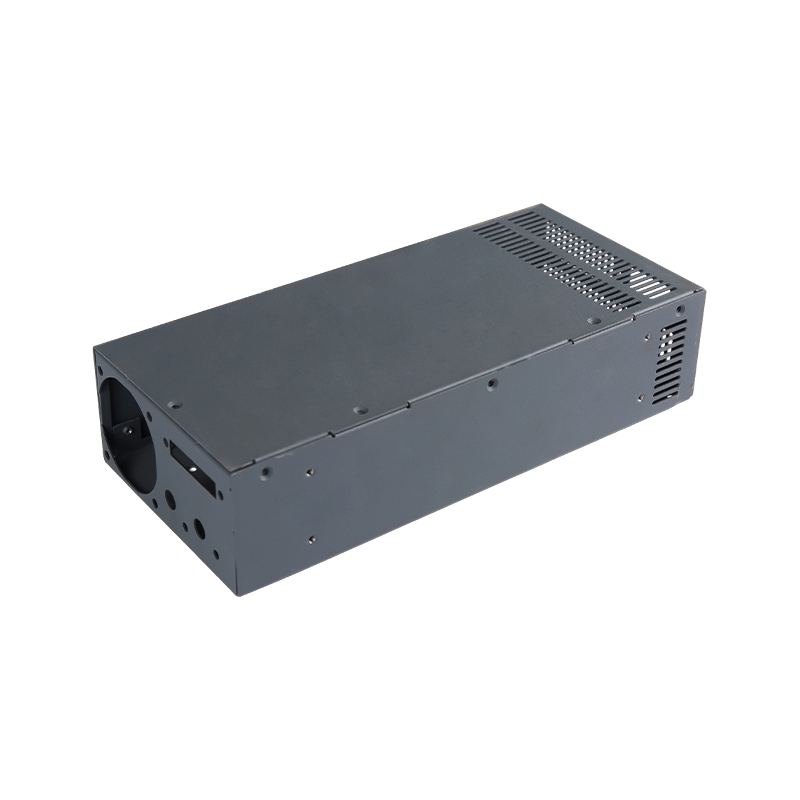
A power supply casing is fundamentally critical for electrical safety, thermal management, and overall component longevity. Selecting the appropriate enclosure requires balancing material durability, heat dissipation capabilities, and electromagnetic shielding to ensure the power unit operates optimally under sustained electrical loads without compromising user safety or system stability.
The Core Functions of a Power Supply Casing
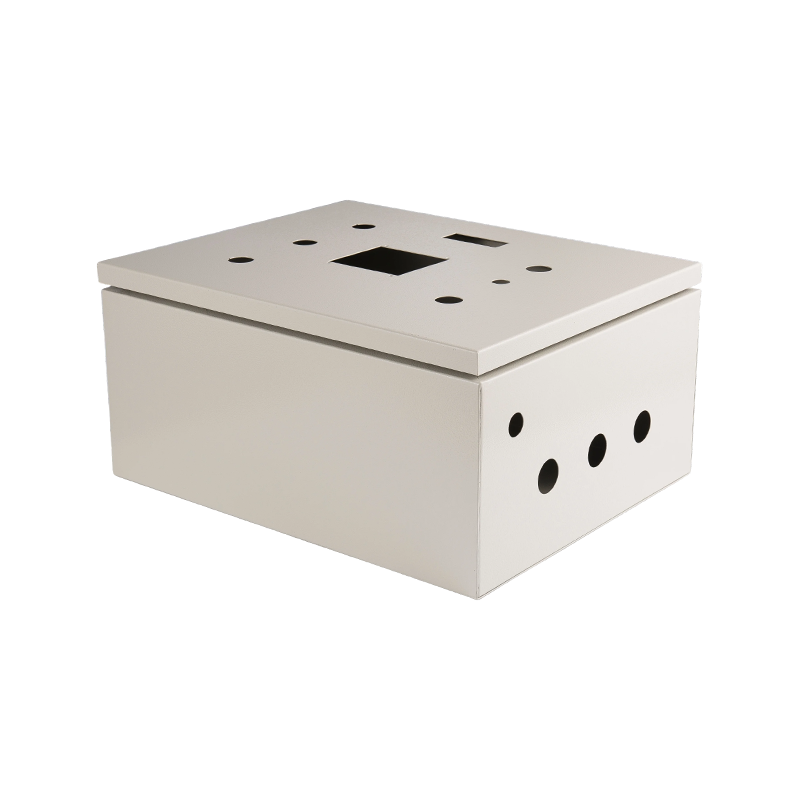
The primary purpose of a power supply casing extends far beyond simple aesthetics; it is the foundational structure that dictates the operational viability of the electrical components housed within. By serving as a physical barrier, the enclosure protects sensitive internal circuitry from external physical damage, such as impacts, vibrations, and accidental contact. Furthermore, it prevents users from coming into direct contact with high-voltage components, which is a paramount safety requirement in electrical engineering.
Beyond physical protection, the casing acts as a vital component in the thermal regulation system. Power supplies inherently generate significant amounts of heat due to electrical resistance and switching losses. The casing material absorbs this heat and dissipates it into the surrounding environment. Additionally, metallic casings provide essential electromagnetic interference (EMI) shielding. High-frequency switching within the power supply can generate electromagnetic noise that disrupts nearby sensitive electronics; a properly grounded metal enclosure effectively contains this noise, ensuring system-wide electromagnetic compatibility.
Common Materials Used in Casing Construction
The choice of material directly influences the thermal conductivity, mechanical strength, and shielding effectiveness of the power supply casing. Engineers must carefully select materials based on the specific environmental and operational demands of the application.
Steel Enclosures
Cold-rolled carbon steel is widely used in industrial and high-wattage power supplies. It offers excellent structural rigidity and superior magnetic shielding properties. To prevent corrosion, steel casings are typically treated with zinc plating or powder coating. While steel provides robust protection, its relatively high weight and moderate thermal conductivity compared to other metals make it less ideal for ultra-lightweight applications.
Aluminum Enclosures
Aluminum is highly favored in modern electronics due to its exceptional strength-to-weight ratio and excellent thermal conductivity. Aluminum casings often feature extruded fins to increase the surface area for passive cooling, significantly reducing the reliance on forced air cooling. This material is particularly effective in outdoor or harsh environments where corrosion resistance is necessary.
Plastic and Composite Materials
For low-wattage internal power supplies, reinforced plastics such as polycarbonate or ABS are sometimes utilized. These materials are lightweight and highly moldable, allowing for complex shapes that fit into tight spaces. However, because plastics do not provide EMI shielding or effective heat dissipation, they are strictly limited to applications with minimal thermal output and where shielding is handled by other system components.
| Material | Thermal Conductivity | EMI Shielding | Weight |
|---|---|---|---|
| Cold-Rolled Steel | Moderate | Excellent | Heavy |
| Aluminum Alloy | Excellent | Good | Light |
| Reinforced Plastic | Poor | None | Very Light |
Thermal Management Strategies in Casing Design
Effective thermal management is the most critical engineering challenge in power supply design, and the casing plays a central role in this system. Without proper heat dissipation, internal temperatures can rise to levels that degrade capacitors and semiconductors, leading to premature failure.
Ventilation and Airflow Dynamics
Casings designed for active cooling incorporate strategic ventilation patterns. Engineers utilize computational fluid dynamics to map airflow paths, placing intake vents near the coolest ambient areas and exhaust vents directly above high-heat components like transformers and power MOSFETs. Honeycomb mesh patterns are frequently used over ventilation holes because they maintain structural integrity while allowing maximum airflow and providing a degree of EMI attenuation.
Active Cooling Integration
For power supplies exceeding a certain wattage threshold, the casing must accommodate active cooling mechanisms. The enclosure design includes mounting points for fans, often utilizing rubber grommets to isolate vibrations and reduce acoustic noise. Furthermore, the casing acts as a wind tunnel, channeling the fan-forced air precisely over the heat sinks to maximize convective heat transfer. In fanless designs, the casing itself often features thick aluminum fins that act as an extended heat sink, conducting heat directly away from the internal components.
Structural Integrity and Environmental Protection
The casing must withstand the physical and environmental stresses of its intended application. Industrial and outdoor power supplies require enclosures that offer high degrees of protection against foreign objects and moisture.
Mechanical Stress Resistance
A robust casing prevents deformation under mechanical stress. In industrial settings, equipment may be subject to heavy vibrations or minor impacts. The chassis must maintain its shape to ensure internal components do not shift, which could cause short circuits. Reinforced bends, internal ribbing, and thicker gauge metals are common design strategies to increase torsional rigidity.
Dust and Moisture Ingress Protection
For harsh environments, casings are rated using the Ingress Protection (IP) standard. A higher IP rating indicates better protection against dust and water. For example, an IP67 rated casing is completely dust-tight and can withstand temporary submersion in water. Achieving these ratings requires precise engineering, including the use of specialized gaskets at all seams, sealed cable glands for wire entry, and potting compounds inside the enclosure to protect the bare circuitry.
- Evaluate the environment for dust concentration and potential liquid exposure.
- Select a casing material that resists chemical corrosion if applicable.
- Ensure all entry points and seams utilize continuous silicone or neoprene gaskets.
- Verify that the cooling strategy aligns with the ingress protection requirements, potentially necessitating external heat exchangers for sealed units.
Assembly and Maintenance Considerations
The design of the power supply casing heavily influences the ease of manufacturing, assembly, and long-term maintenance. A well-engineered enclosure minimizes production time while allowing technicians to safely service the internal components if necessary.
Grounding Mechanisms
Proper grounding is essential for both safety and EMI shielding effectiveness. The casing design must include designated grounding points, typically bare metal patches where the printed circuit board connects to the chassis. Ensuring continuous electrical conductivity across all casing panels is vital; paint or anodization is strategically omitted at contact points between the top cover and the base chassis to maintain a solid ground path.
Accessibility for Repairs
While modern power supplies are often sealed units, industrial models are designed for serviceability. The casing should feature easily removable panels secured with standard screws. Internal layouts should provide clear access to high-failure-rate components, such as cooling fans and primary capacitors, without requiring the disassembly of the entire power train. Clear labeling of high-voltage areas on the casing interior is a critical safety feature for maintenance personnel.