

 English
 русский
 Español
Content
- 1 Definition and Core Functional Values of Metal Distribution Box
- 2 Common Manufacturing Materials and Performance Comparison
- 3 Key Application Scenarios for Metal Distribution Boxes
- 4 Standard Installation Specifications for Metal Distribution Boxes
- 5 Daily Maintenance Methods to Extend Service Life
- 6 Metal Distribution Box vs Plastic Distribution Box: Core Safety Gap
Metal distribution boxes serve as the primary safety power distribution enclosures for industrial, commercial and outdoor low-voltage electrical systems, boasting outstanding mechanical toughness, flame retardancy and environmental resistance. Compared with plastic distribution boxes, metal variants withstand heavy impact, high temperature and electromagnetic interference reliably to stabilize circuit operation. Industry data shows over 85% of outdoor and industrial power projects adopt metal distribution boxes thanks to their long-term safety and structural durability, making them the preferred choice for complex power consumption environments.
Definition and Core Functional Values of Metal Distribution Box
Basic Definition
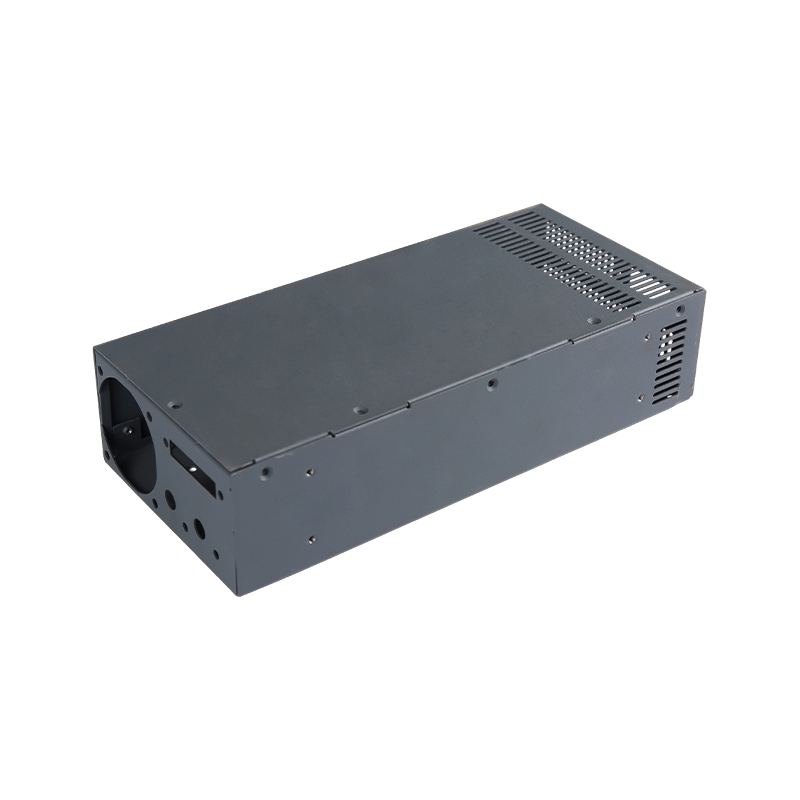
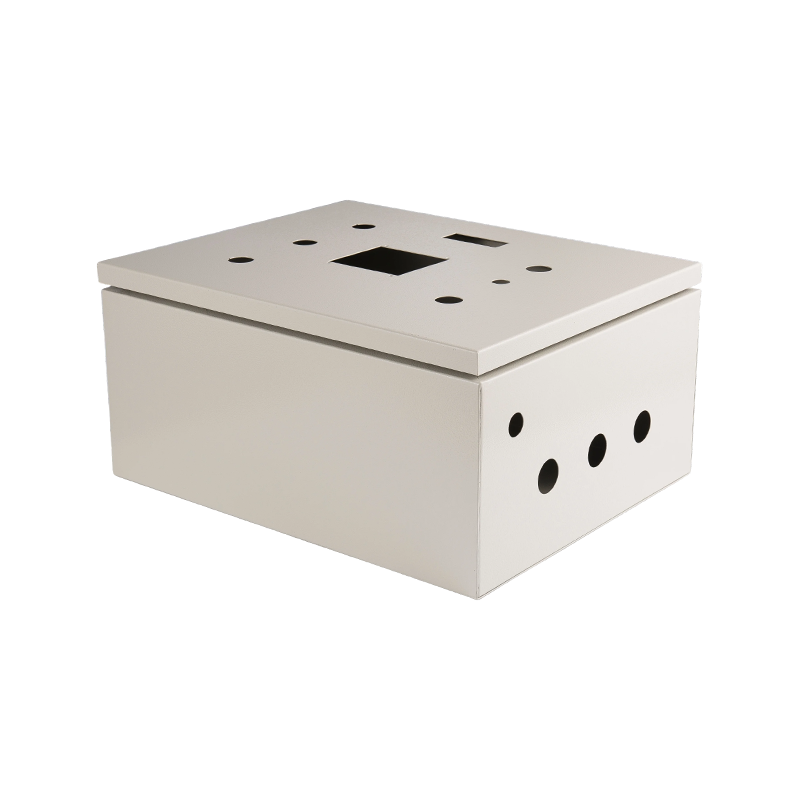
A metal distribution box refers to a closed electrical wiring housing fabricated from metal substrates including cold rolled steel, stainless steel and aluminum alloy. It acts as a vital intermediate component within low-voltage power distribution loops, installed between power supply terminals and end electrical equipment. Unlike plastic counterparts, its metal shell is formed through integrated stamping and seamless welding, complying with universal electrical safety standards for structural rigidity and conductive grounding. It undertakes centralized wiring, circuit branching, power control and fault protection for alternating and direct low-voltage circuits in various usage spaces.
Four Core Functional Advantages
- Centralized circuit management: Multiple branch circuits are integrated inside one cabinet to unify power line layout, eliminating messy scattered wiring and simplifying routine inspection and circuit modification work for complex electrical systems.
- Physical isolation for electric shock prevention: The sealed metal casing separates live internal components from external surroundings, preventing accidental human contact with charged parts and blocking dust, small creatures and debris that may trigger short circuit failures.
- Carrier for circuit protection devices: The internal space accommodates circuit breakers, residual current protectors and fuses. When overload, short circuit or leakage faults occur, built-in protective gear instantly cuts power to safeguard equipment and wiring integrity.
- Natural electromagnetic shielding effect: Metal materials block external electromagnetic signal interference on internal circuits, while containing electromagnetic radiation generated by internal power loops to avoid disrupting surrounding precision electronic devices.
Common Manufacturing Materials and Performance Comparison
The overall performance and service life of metal distribution boxes largely depend on shell raw materials. Three mainstream metal materials dominate production, each with unique strengths and matching applicable environments. Users can select suitable box types according to site humidity, corrosive substances and impact risks.
| Material Type | Core Strengths | Limitations | Suitable Scenarios |
|---|---|---|---|
| Cold Rolled Steel | High structural hardness, low production cost, easy cutting and welding | Prone to rust without anti-corrosion coating | Indoor workshops, residential power distribution rooms |
| Stainless Steel | Excellent anti-rust and anti-corrosion performance, long service cycle | Higher material cost, slightly harder processing | Outdoor open areas, coastal humid zones, chemical workshops |
| Aluminum Alloy | Light weight, good heat dissipation, oxidation resistance | Lower impact resistance than steel plates | Mobile equipment, overhead power distribution facilities |
For cold rolled steel distribution boxes, manufacturers usually add electrostatic spraying or galvanized layers on the surface to solve rust risks. After standardized anti-corrosion treatment, such boxes can achieve stable operation in dry indoor environments for over a decade. Stainless steel boxes require no extra coating, which reduces later maintenance work for sites with high humidity or salt fog erosion.
Key Application Scenarios for Metal Distribution Boxes
Metal distribution boxes are widely adopted across multiple sectors due to comprehensive safety performance. Plastic enclosures cannot match their protective capacity in high-risk power usage environments, leading to targeted application classifications for metal box products.
Industrial Production Sites
Factory production lines, mechanical processing workshops and automated assembly lines rely heavily on metal distribution boxes. Production equipment generates strong vibration and electromagnetic signals during operation; metal shells absorb vibration and shield electromagnetic interference to avoid abnormal shutdown of precision machinery. In workshops with metal debris and metal shavings floating in the air, the rigid metal casing prevents sharp fragments from piercing the enclosure and touching live wires.
Outdoor Public Infrastructure
Road lighting systems, park power supply facilities, outdoor monitoring equipment and construction temporary power all use metal distribution boxes. Outdoor environments face extreme temperature changes, rainwater erosion and random physical impact. Metal shells maintain structural integrity under long-term outdoor exposure, while plastic boxes easily crack or deform under ultraviolet radiation and low temperature freezing. Stainless steel models are specially deployed along coastal roads to resist salt spray corrosion from sea wind.
Commercial and Civil Construction
Shopping malls, office buildings, underground parking lots and large residential complexes install metal distribution boxes for public power distribution. Basement parking areas feature high humidity and occasional water seepage; metal boxes with sealed rubber gaskets block moisture infiltration to prevent internal circuit damp short circuits. Large commercial spaces carry heavy power loads, and metal casings deliver superior heat dissipation to avoid overheating inside the box during peak power consumption periods.
Special Corrosive Environments
Chemical processing plants, sewage treatment stations and food pickling workshops contain corrosive gas and liquid vapor. Ordinary plastic boxes will age and break quickly under chemical erosion, while thickened stainless steel metal distribution boxes resist acid and alkali corrosion effectively, extending the replacement cycle of power distribution equipment.
Standard Installation Specifications for Metal Distribution Boxes
Even high-quality metal distribution boxes cannot exert full protective performance without standardized installation. Operators must follow universal electrical construction norms to complete fixation, grounding and sealing steps.
- Complete reliable grounding connection for the metal box shell. The metal body must link to the overall building grounding system to form leakage protection channels; once internal components leak electricity, current will be quickly guided to the ground to eliminate electric shock hazards.
- Keep proper installation clearance around the box body to reserve heat dissipation space. Blocking the ventilation gaps will cause accumulated heat inside the box, accelerating the aging of wires and protective components.
- Check the sealing rubber strips around the door frame before closing the box. Damaged strips need timely replacement to stop rain, dust and water vapor from entering the inner cavity.
- Classify internal wiring with fixed wire slots, separate strong current and weak current circuits to reduce mutual signal interference, and mark each branch circuit clearly for later maintenance convenience.
- For wall-mounted outdoor metal distribution boxes, maintain a slight downward tilt of the box body to prevent rainwater from flowing backward into the cabinet along the door gap.
Daily Maintenance Methods to Extend Service Life
Regular maintenance reduces failure rates of metal distribution boxes and delays shell aging. Maintenance work can be divided into monthly routine inspection and annual comprehensive overhaul, with clear inspection priorities for each cycle.
Monthly Routine Inspection Items
- Observe the metal surface for rust spots, scratches or coating peeling; touch the box door to confirm tight sealing without gaps.
- Check whether the grounding wire connecting the shell is loose or broken, tighten loose fixing screws immediately.
- Listen for abnormal buzzing sounds inside the box during power operation, which usually indicates loose wiring or component overload.
Annual Comprehensive Overhaul Operations
Cut off the total power supply before overhaul to guarantee construction safety. Clean accumulated dust and debris inside the box with dry soft brushes, avoid wet cleaning tools to prevent short circuits. Polish small rust spots on the steel plate shell and re-spray anti-rust coating; replace aging sealing strips and aging internal wires. Test the response speed of circuit breakers and leakage protectors to ensure protective devices can trigger quickly when faults emerge.
With standardized monthly inspection and annual overhaul, the service life of ordinary metal distribution boxes can be extended by more than 30% compared with unattended equipment, lowering overall power system operation and replacement costs in the long run.
Metal Distribution Box vs Plastic Distribution Box: Core Safety Gap
Many users confuse applicable scenes of metal and plastic distribution boxes. Plastic enclosures have advantages of light weight and low cost, but obvious defects exist in safety and durability, making metal boxes the safer choice for high-load and open-air environments.
- Fire resistance difference: Plastic materials melt and release toxic fumes under high temperature short circuit; metal shells resist open flame spread and contain fire inside the cabinet to avoid fire expansion.
- Impact resistance difference: Hard external impact will crack plastic boxes and expose internal live wires; thick metal plates resist collision deformation effectively to maintain closed protection structure.
- Grounding performance difference: Metal shells support reliable grounding leakage protection; insulating plastic shells cannot conduct leakage current, increasing electric shock risks in case of internal component damage.
- Anti-aging performance difference: Ultraviolet rays and high temperature accelerate plastic embrittlement; metal materials only need simple anti-corrosion treatment to adapt to long-term outdoor exposure.
Plastic distribution boxes are only suitable for low-power indoor household small circuits with low impact risks. Once facing heavy load, outdoor exposure or mechanical collision risks, metal distribution boxes must be selected to meet electrical safety standards.