

 English
 русский
 Español
Content
Metal handles are an essential part of modern home and office environments. From kitchen cabinets to doors and furniture, metal handles not only serve a functional purpose but also play a significant role in the aesthetics of a space. With their elegant design, durability, and ease of maintenance, metal handles have become a popular choice in interior design. Whether you are renovating your home or outfitting an office, choosing the right metal handles can enhance both the appearance and usability of your space.
In this article, we will explore the various types of metal handles available, their advantages, factors to consider when choosing the right one, and tips for installation and maintenance to ensure their longevity.
Types of Metal Handles and Their Advantages
1. Stainless Steel Door Handles
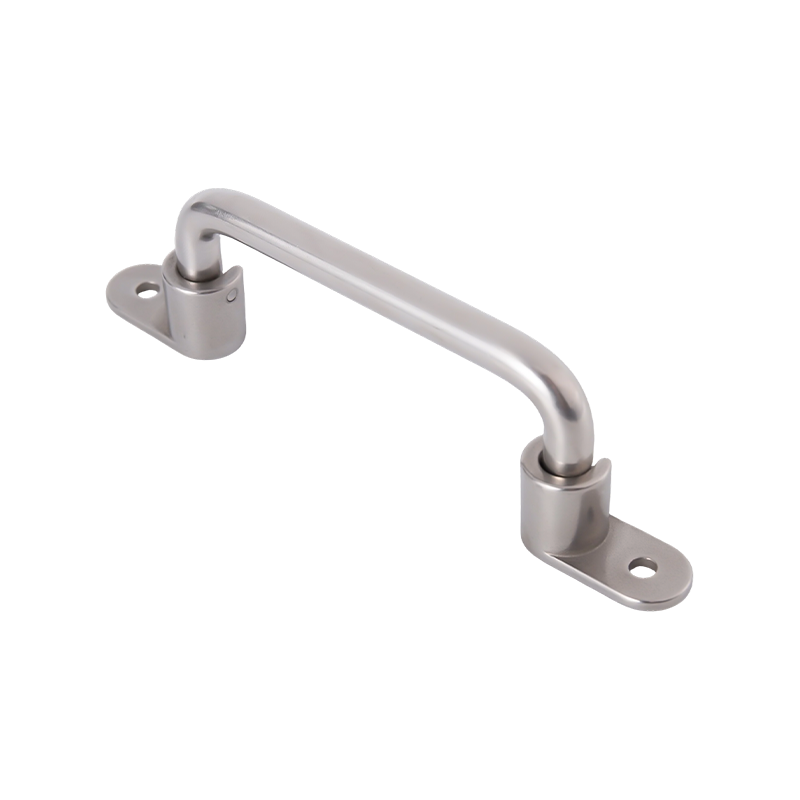
Stainless steel is one of the most commonly used metals for handles due to its corrosion-resistant properties and durability. Stainless steel handles are widely used in both modern homes and commercial spaces.
The biggest advantage of stainless steel handles is their corrosion resistance. Even in humid environments like kitchens and bathrooms, stainless steel does not rust easily and maintains its polished appearance over time. Furthermore, stainless steel is a very strong material, ensuring that the handles are highly durable and long-lasting.
Modern stainless steel handles often feature a minimalist design with clean, sleek lines, making them perfect for contemporary interiors.
Suitable for: Kitchens, bathrooms, and commercial spaces such as offices and hotels.
2. Antique Metal Handles
Antique metal handles are often made from copper, brass, or iron and are designed to provide a vintage, historical feel. These handles typically feature intricate carvings and surface treatments that give them a unique, aged appearance.
Compared to modern handles, antique metal handles focus more on decoration and craftsmanship. The patina that develops over time gives these handles a distinctive charm and history, making them ideal for vintage or classic interiors.
Suitable for: Classic or vintage-style homes, upscale venues like museums and high-end restaurants.
3. Heavy Duty Metal Handles
Heavy-duty metal handles are designed for large, heavy doors and cabinets. Made from thicker, more robust materials, these handles can support greater weight and withstand more wear and tear than standard handles.
These handles are often larger in size to provide better grip and leverage. They are commonly used in industrial-style spaces, adding a bold, rugged element to the design.
Suitable for: Large doors, garage doors, heavy-duty cabinets, and industrial spaces.
4. Rust-Resistant Metal Handles
Rust-resistant metal handles are made from specially treated metals that can resist corrosion caused by moisture and humidity. These handles are perfect for areas that experience high levels of moisture, such as kitchens, bathrooms, and outdoor spaces.
The surface of rust-resistant handles is typically coated with a protective layer, which prevents rust from forming and ensures that the handle remains functional and aesthetically appealing for years.
Suitable for: Humid environments like bathrooms and kitchens, as well as outdoor areas exposed to the elements.
5. Decorative Metal Handles
Decorative metal handles focus on adding artistic value to a space. These handles feature intricate patterns, shapes, and textures that contribute to the overall design of a room. They are often made from materials like brass, copper, or aluminum, and are treated to enhance their aesthetic appeal.
Decorative handles not only serve as functional items but also act as artistic elements, making them ideal for spaces where design and detail are emphasized. They add a touch of elegance and sophistication to any room.
Suitable for: Luxury homes, art galleries, coffee shops, and upscale offices.
Factors to Consider When Choosing Metal Handles
1. Corrosion Resistance: Choosing Rust-Resistant Metal Handles
When selecting metal handles, corrosion resistance is an essential factor, especially in environments with high humidity. Kitchens, bathrooms, and outdoor areas are particularly vulnerable to moisture, which can cause metal handles to rust and lose their shine.
For environments that are exposed to moisture, stainless steel is a great option due to its natural resistance to rust. Handles that are treated with coatings such as galvanization or anodization are also ideal for preventing corrosion.
Advantages of rust-resistant metal handles:
- Moisture resistance: Ideal for bathrooms, kitchens, and other high-humidity areas.
- Long-lasting: Prevents rust and preserves the aesthetic quality of the handle.
- Versatility: Suitable for both indoor and outdoor spaces.
2. Balancing Decoration and Functionality
Metal handles are not only functional but also contribute significantly to the aesthetics of a space. When choosing metal handles, it’s important to find a balance between their decorative value and functional performance.
Decorative metal handles often feature unique designs and detailed carvings, making them a focal point in a room. However, it’s essential to consider whether the design matches the overall design theme of the room. For modern interiors, simple, sleek handles work best, while antique-style handles add an elegant touch to vintage or classic spaces.
In terms of functionality, the size, shape, and grip of the handle should enhance the user’s experience. Handles that are too small or large can make the space feel awkward or be uncomfortable to use.
3. Space Style Compatibility
When selecting metal handles, the overall style of the space should dictate the choice of handle. Different interior styles call for different types of handles to maintain harmony and enhance the room's design.
- Modern Style: Stainless steel or aluminum handles with clean, minimalistic lines work best in contemporary spaces.
- Vintage Style: Antique brass or copper handles with intricate designs are perfect for classic, vintage interiors.
- Industrial Style: Heavy-duty, rugged handles made from iron or steel are ideal for industrial-themed spaces.
4. Size and Personalization
Metal handles come in a range of sizes, and choosing the right size is crucial for both aesthetic appeal and functionality. Handles that are too large or too small can make the space feel imbalanced.
Small, sleek handles are perfect for compact furniture or smaller doors, while larger handles are more appropriate for heavier, bulkier doors and cabinets. Always consider the ergonomics and comfort of the handle to ensure it is easy to use.
5. Budget Considerations
The price of metal handles can vary greatly depending on the material, design, and brand. If you're on a budget, it's important to choose handles that offer good value for money. Many brands provide high-quality options that are affordable while still being stylish and durable.
For those with a higher budget, custom-made or premium handles can add a unique touch to your space. These handles often use rarer metals or incorporate more intricate designs.
6. Environmental Impact and Safety
With increasing awareness of environmental issues, many consumers are now considering the environmental impact of their purchases. Metal handles made from recycled materials or eco-friendly coatings are available for those looking for more sustainable options.
Additionally, safety is a key concern, especially in households with children or elderly people. Metal handles should be designed with smooth edges and secure fittings to prevent accidents.
Installation and Maintenance of Metal Handles
1. Installation Tips for Metal Handles
Installing metal handles is generally a straightforward task, but it’s important to follow the correct procedure to ensure they are secure and functional.
- Step 1: Confirm the placement and height of the handle on the door or cabinet.
- Step 2: Mark the position for the screw holes accurately to ensure they are aligned.
- Step 3: Drill holes at the marked positions, ensuring the depth and diameter match the size of the screws.
- Step 4: Attach the handle, aligning it with the holes and secure it in place by screwing the screws into the drilled holes.
- Step 5: Test the handle by gently pulling or turning it to ensure it is firmly attached and functions smoothly.
2. Maintenance and Cleaning of Metal Handles
Regular maintenance and cleaning are essential for keeping metal handles looking their best and ensuring they last longer. Different materials require different cleaning techniques, so it's important to know how to care for each type of metal handle.
Cleaning Tips for Different Types of Metal Handles
For stainless steel handles, use a soft cloth with a mild metal cleaner or warm soapy water to wipe them clean. Avoid using abrasive brushes that could scratch the surface.
For antique metal handles such as brass or copper, use a soft, dry cloth to wipe off dust and dirt. For more stubborn stains, you can use a mixture of lemon juice and baking soda or special brass cleaners to restore their shine.
For rust-resistant handles, clean them using a damp cloth and dry them thoroughly to avoid any watermarks or rust. You can also apply a thin layer of protective wax or oil to maintain the finish and prevent any damage from moisture.
Maintenance Tips
In addition to regular cleaning, it’s important to check the metal handles periodically for signs of wear, especially in areas with high usage. If you notice any looseness or damage, tighten the screws or replace the handle promptly to maintain safety and functionality.
3. Regular Inspection and Repair
To keep your metal handles in good working condition, it’s a good idea to perform a routine inspection every few months. Check for any signs of wear, such as loose screws, rust, or peeling coatings. Tighten any loose screws and replace damaged handles immediately to ensure they remain both functional and aesthetically pleasing.
Conclusion
Metal handles are a crucial aspect of interior design and functional furniture. Whether you opt for stainless steel, antique brass, heavy-duty, rust-resistant, or decorative handles, each type offers unique benefits and complements different styles of home or office environments. By understanding the various factors to consider when selecting metal handles—such as corrosion resistance, decoration versus functionality, style compatibility, size, and budget—you can make an informed choice that enhances both the utility and appearance of your space.
Proper installation and regular maintenance will ensure that your metal handles remain in excellent condition for many years, providing both aesthetic appeal and long-lasting functionality.