

 English
 русский
 Español
Content
What Are Sheet Metal Parts?
Sheet metal parts are flat, thin metal pieces formed through industrial processes such as cutting, bending, and stamping. In manufacturing terminology, sheet metal typically refers to metal with a thickness between 0.4 mm and 6 mm. Anything thicker than 6 mm is classified as plate, while material thinner than 0.4 mm falls into the foil or leaf category. Maintaining a uniform thickness across the workpiece is a fundamental requirement — uneven thickness leads to inconsistent bending angles, weak spots, and poor surface finish.
Understanding thickness specifications is essential when you communicate with a supplier. In the United States, the gauge system is common, where a higher gauge number indicates thinner material. For example, 16-gauge steel is approximately 1.5 mm thick, while 10-gauge steel is about 3.5 mm. In contrast, most Asian and European manufacturers use the metric system. Being fluent in both systems prevents costly misunderstandings during quoting and production.
Common materials for sheet metal parts include carbon steel, stainless steel, aluminum, brass, copper, and titanium. Each offers distinct mechanical properties, cost structures, and forming behaviors. As a fabrication shop that has worked with all of these metals since 2019, we have seen how material choice alone can change a project's outcome — not just in performance, but in manufacturability and unit cost. You can explore our sheet metal parts product categories to see the range of components we produce daily.
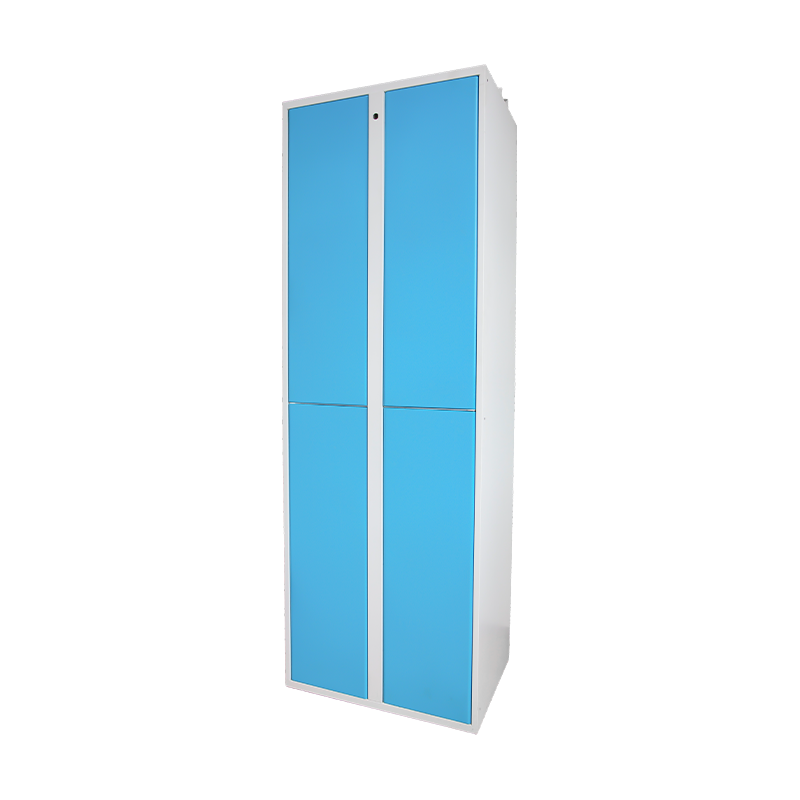
 Custom Sheet Metal Parts Manufacturer, CompanyChangzhou Yasu Metal Technology Co., Ltd. is a China Custom OEM/ODM Sheet Metal Parts Manufacturer and Company. We provide high-quality s...View Product →
Common Materials Used for Sheet Metal Parts
Selecting the right material is the single most important decision in any sheet metal project. The material determines strength, weight, corrosion resistance, cost, and how the part responds to forming and welding. Here is a breakdown of the most common options and where each excels.
Steel and Stainless Steel
Carbon steel is the workhorse of the sheet metal industry. It offers high strength at a relatively low cost, making it ideal for structural components, brackets, enclosures, and frames. However, carbon steel rusts when exposed to moisture, so it often requires painting, powder coating, or galvanizing. Hot-dip galvanizing, which coats the steel with a layer of zinc, is a cost-effective method for outdoor applications.
Stainless steel, particularly grades 304 and 316, contains chromium and nickel, which provide excellent corrosion resistance. Grade 304 suits most indoor and light outdoor environments, while grade 316 withstands marine and chemical-heavy conditions. Stainless steel costs more and is harder to form, but for medical equipment, food processing machinery, or architectural components, the investment pays off in longevity.
Aluminum
Aluminum is prized for its light weight — roughly one-third the density of steel — combined with good corrosion resistance and excellent thermal and electrical conductivity. These properties make it the default choice for aerospace components, heat sinks, electronic enclosures, and transportation parts. Aluminum grades 5052 and 6061 are the most common in sheet metal fabrication; 5052 offers better formability, while 6061 provides higher strength after heat treatment.
One caveat: aluminum welding requires specialized technique and filler materials. If your design involves extensive welding, confirm that your fabricator has experience with aluminum to avoid porosity and weak joints.
Copper and Brass
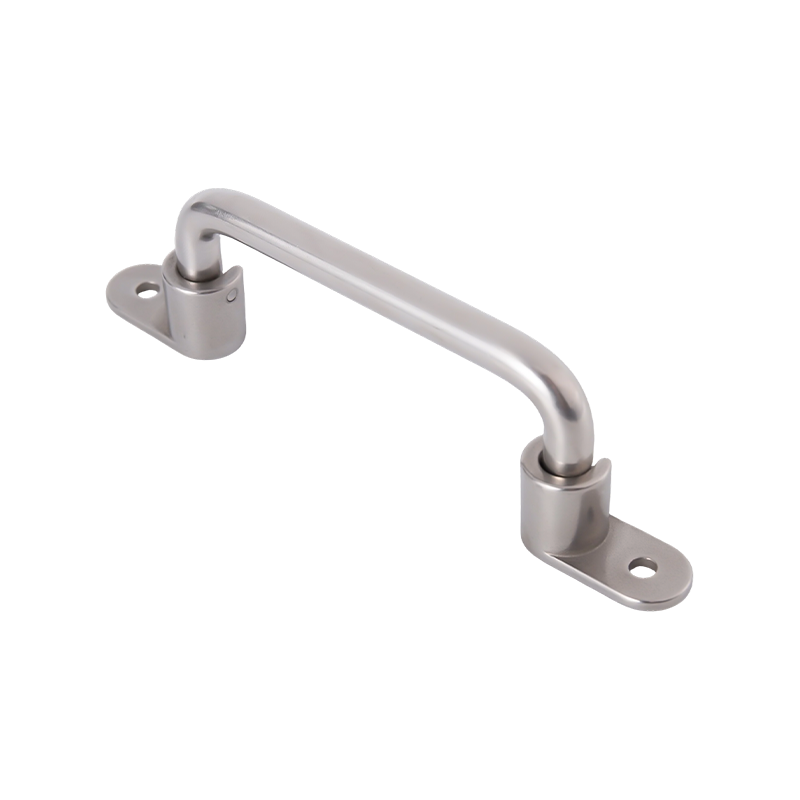
Copper stands out for exceptional electrical conductivity and natural antimicrobial properties. It is frequently used in electrical busbars, connectors, and heat exchangers. Brass, an alloy of copper and zinc, adds decorative appeal and superior machinability, making it popular for handles, hinges, and architectural trim. Both metals are more expensive than steel or aluminum, so consider using them only for functional or aesthetic sections of your product.
How to Choose the Right Material
We guide customers through four criteria when selecting materials: operating environment, load-bearing requirements, cost budget, and finishing needs. For indoor, static components, cold-rolled steel with powder coating is often the most economical. For outdoor or humid environments, stainless steel or aluminum is safer. If weight is a concern, aluminum wins. For high-volume consumer products, carbon steel with a durable coating usually delivers the best balance of cost and performance. Our experience with power supply manufacturers shows that skimping on material quality to save a few cents per unit frequently leads to returns and warranty claims — a false economy. For a deeper look at this trade-off, read our guide on choosing the right material for your product.
Key Sheet Metal Fabrication Processes
A finished sheet metal part rarely results from a single operation. Most components pass through several processes, and the order matters. Understanding these processes helps you design parts that are easy to manufacture and helps you evaluate whether a supplier has the full capability in-house.
Laser Cutting
Laser cutting uses a focused high-power beam to melt and vaporize metal, producing clean edges with high precision. It handles complex contours, tight corners, and small holes that would be difficult or impossible with mechanical cutting. The power of the laser determines the maximum material thickness it can process effectively. In our facility, we operate laser cutting machines ranging from 1500W to 6000W, including dual-worktable models that allow loading and unloading while cutting continues. A 6000W machine can cut mild steel up to 20 mm thick, while a 1500W unit is efficient for thin sheets under 3 mm.
CNC Bending
CNC (Computer Numerical Control) bending forms sheet metal into angles, channels, and boxes by pressing a punch into a die. The process is precise, repeatable, and essential for creating three-dimensional shapes from flat blanks. Bending capacity is defined by two numbers: bed length and tonnage. Our press brakes include a 4-meter, 100-ton four-axis machine for large panels and a 2.5-meter, 60-ton six-axis machine for intricate, high-tolerance bends. When designing parts, remember that bend radii and flange lengths must align with the tooling available — your fabricator should flag issues before production, not after.
Stamping and Punching
Stamping uses a die to cut and form metal in a single stroke, making it the most cost-effective method for high-volume production. Progressive dies can perform multiple operations — blanking, piercing, bending, and drawing — in one pass. This is the process of choice when you need tens of thousands of identical parts. In our workshop, we run over 40 stamping presses, which allows us to take on large-scale orders that small job shops cannot handle. However, tooling costs are significant, so stamping only becomes economical once volumes exceed roughly 5,000 units.
Welding and Assembly
Welding joins multiple sheet metal pieces into an assembled structure. For consistent, high-quality welds, robotic welding is superior to manual welding, especially for long seams and repetitive joints. We use four sets of Yaskawa robotic welding systems for structural welds and two laser welding machines for thin sheets and precision components. Laser welding delivers narrow heat-affected zones and minimal distortion, ideal for stainless steel and aluminum parts with cosmetic requirements.
The real value of a full-service fabricator lies in combining these processes seamlessly. A typical enclosure may involve laser cutting the blank, CNC bending the sides, stamping mounting holes, robotic welding the frame, and laser welding internal brackets — all under one roof. This eliminates the logistical risk of coordinating multiple suppliers and shortens lead time.
Industries and Applications of Sheet Metal Parts
Sheet metal parts are everywhere, though they often go unnoticed. Beyond the traditional automotive and construction sectors, modern manufacturing relies heavily on fabricated metal components in specialized fields that demand precision and reliability.
Medical Equipment
Medical devices — from diagnostic imaging machines to surgical tables — require enclosures and frames that protect sensitive electronics while meeting strict hygiene and safety standards. Stainless steel sheet metal is prevalent here due to its corrosion resistance and ease of sterilization. Surface finish quality is critical; sharp edges or rough surfaces harbor bacteria and fail inspection. Medical equipment manufacturers should choose a fabricator experienced with cosmetic-grade finishes and tight dimensional tolerances.
Rail Transportation
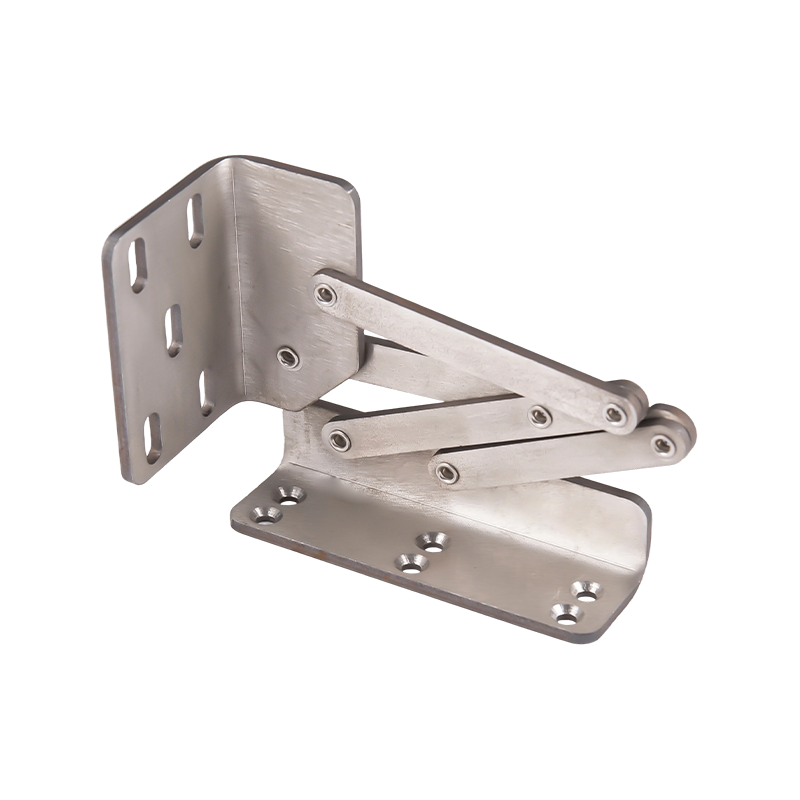
Rail vehicles operate for decades in harsh conditions, so every component must endure vibration, temperature swings, and constant use. Custom hinges, brackets, and interior panels are typical sheet metal applications in this sector. These parts demand high-strength materials and durable surface treatments to resist wear and corrosion. Our production of custom hinges for rail transit demonstrates how a seemingly simple component carries heavy responsibility for safety and longevity.
Energy Storage and Power Supply
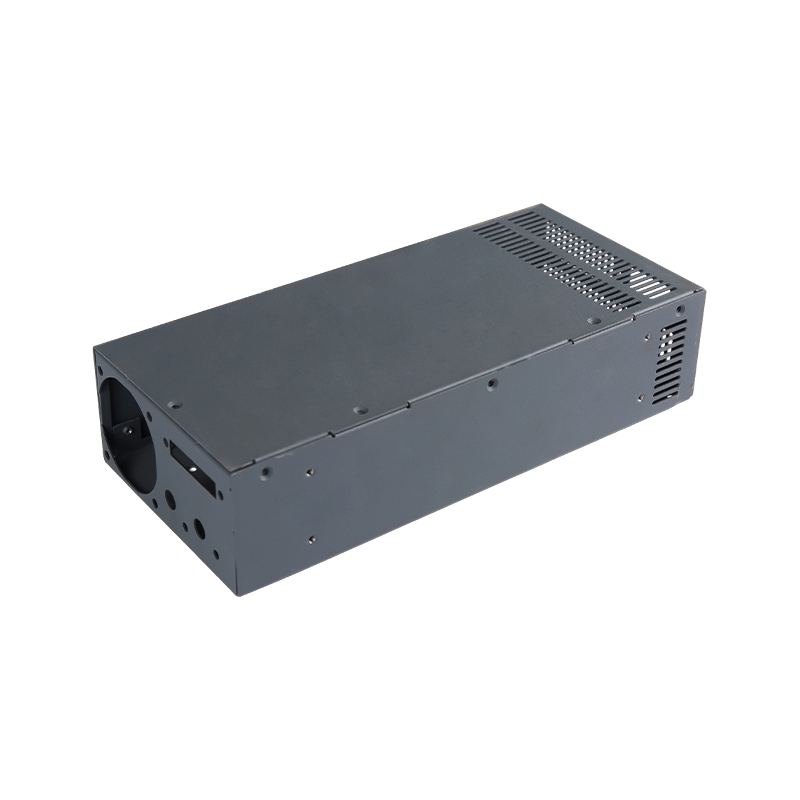
The rapid growth of renewable energy and electric vehicles has created strong demand for sheet metal enclosures in power systems. Battery cabinets, inverter housings, and switch power supply housings protect electrical components from dust, moisture, and physical impact. Outdoor energy storage systems require robust anti-corrosion protection, usually achieved through galvanized steel or powder coating with high UV resistance. Heat dissipation is another consideration — many enclosures incorporate louvers, vents, or mounting points for cooling fans, all of which are formed during the fabrication process.
Display and Commercial Applications
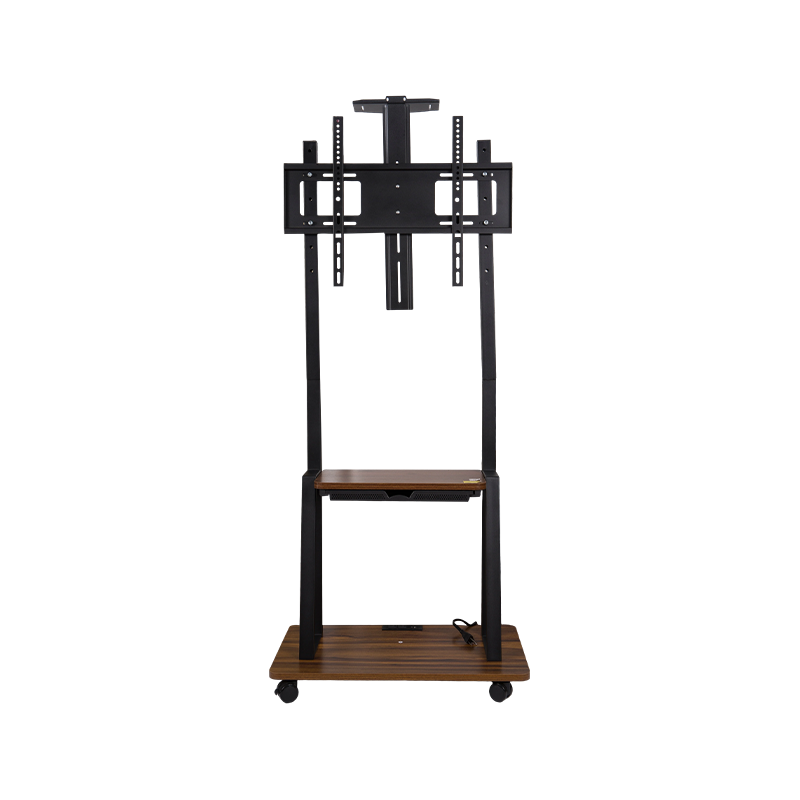
Sheet metal is equally at home in consumer-facing products. Consider the mobile TV stand products designed for offices, classrooms, and trade shows. These stands must combine structural stability with an attractive appearance because they are visible in finished interiors. Powder coating in custom colors, brushed finishes, and precisely aligned assembly points are what separate a premium product from a generic one.
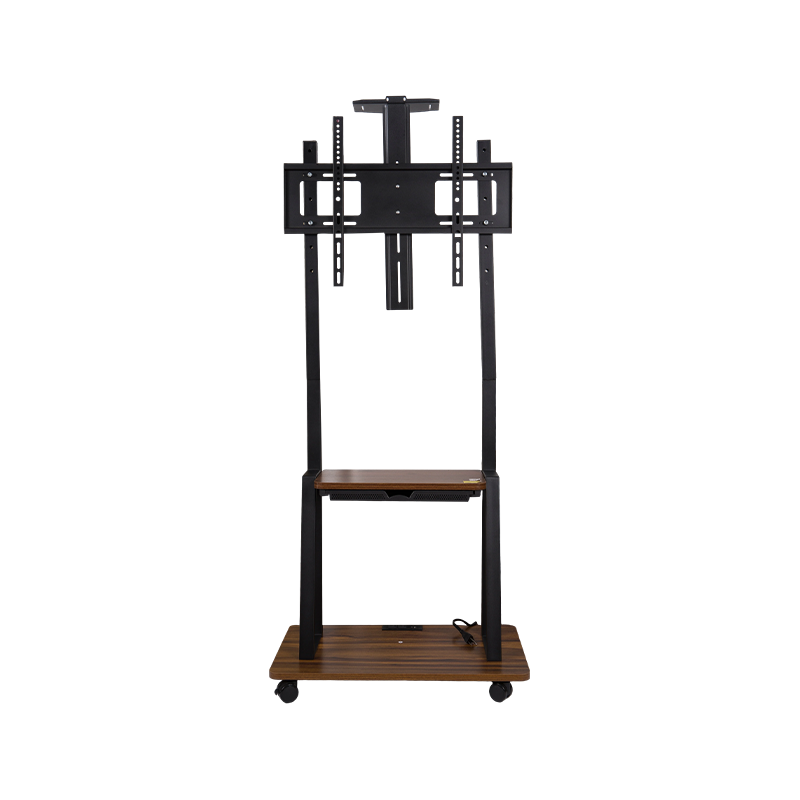 Custom Rolling TV Stand Manufacturer, FactoryChangzhou Yasu Metal Technology Co., Ltd. is a China Custom OEM/ODM Rolling TV Stand Manufacturer and Factory. Our TV stand boasts excell...View Product →
Home and Furniture
Metal furniture — including wardrobes, shelving, and cabinets — has gained popularity for its durability and modern aesthetic. Sheet metal wardrobe systems offer fire resistance and easy cleaning compared to wood. The fabrication process for furniture emphasizes consistent color matching, smooth edges, and robust joining methods. This segment shows how far sheet metal has evolved from purely industrial uses.
Custom Sheet Metal Parts: What to Know Before Ordering
Many buyers ask whether custom sheet metal parts are significantly more expensive than standard components. The honest answer: it depends on your drawings and volume. A well-prepared drawing can save you both money and time, while a vague one leads to iterations and miscommunication. Here is what we recommend before placing your first order.
Prepare a Clear Drawing with Tolerances
Your engineering drawing is the single source of truth for fabrication. At minimum, it should specify material grade and thickness, overall dimensions, bend radii, hole positions and diameters, and thread specifications. Critical tolerance callouts — such as ±0.1 mm on mounting holes — tell the fabricator where precision matters and where it does not. Blanket tolerances across the entire part inflate cost because every dimension requires inspection. Define tolerances only where functional, and let standard tolerances (typically ±0.5 mm for bends, ±0.2 mm for laser-cut features) apply elsewhere.
Understand the Prototype and Production Workflow
A typical custom project follows a structured path. First, our engineers review your drawing for manufacturability — checking if bend radii are feasible, if hole positions leave enough edge distance, and if the chosen material suits the forming process. We then provide a quotation and, upon approval, produce a prototype. You verify form, fit, and function; we adjust if needed. Only after prototype approval do we move to mass production. During production, we perform first-article inspection and in-process checks to ensure every batch matches the approved sample. This entire workflow is part of our custom sheet metal fabrication service, staffed by dedicated drawing analysis engineers.
Consider Surface Finishing Options
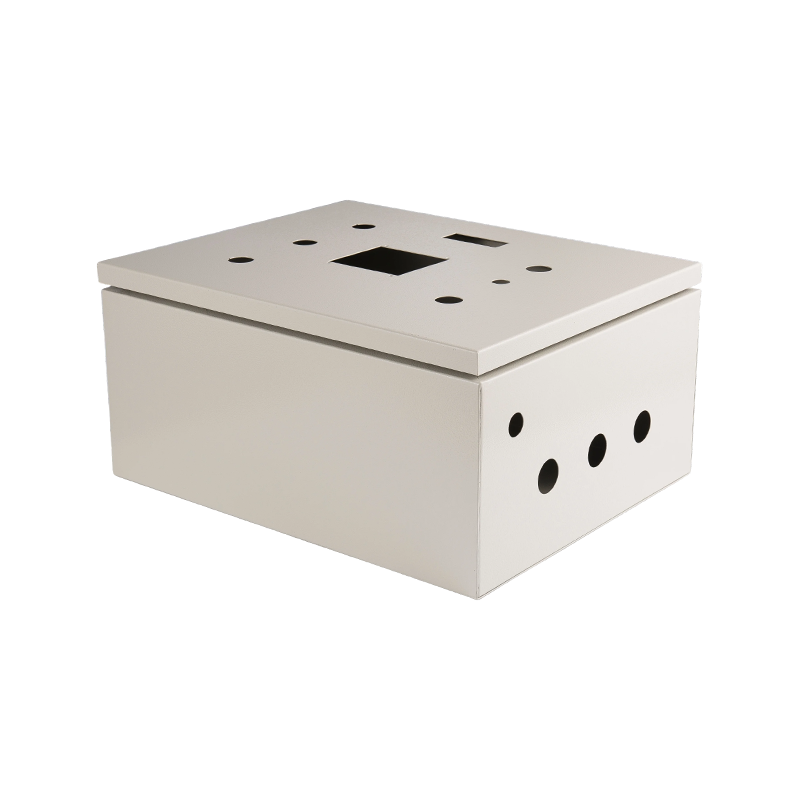
Surface treatment affects both appearance and durability. Powder coating is the most common choice for steel parts — it is tough, available in thousands of colors, and resistant to chipping. Anodizing is the go-to for aluminum, producing a hard, corrosion-resistant layer that can be dyed in various shades. Brushing and polishing create a metallic satin or mirror finish, often followed by a clear protective coat for aluminum and stainless steel. For electrical enclosures, consider conductive finishes that preserve grounding paths. Our electrical box and cabinet range shows how different finishes change the look and protection level of the same base design.
Plan for Volume and Lead Time
Volume directly influences the choice of manufacturing process. For prototype runs or small batches of 100–500 pieces, laser cutting plus CNC bending is the most flexible and economical route. Tooling costs are minimal, and design changes are easy. Once you exceed 5,000 units per year, stamping becomes cost-effective because the per-piece cost drops dramatically despite the upfront die investment. Your supplier's capacity determines lead time. At our factory, an annual production capacity of over 50 million pieces — across stamping, welding, and assembly — allows us to schedule large orders without sacrificing prototype speed. Ask your fabricator about current workload, not just theoretical capacity, when discussing delivery dates.
How to Choose a Reliable Sheet Metal Parts Manufacturer
Choosing the right fabrication partner is a strategic decision. The lowest quote is rarely the best value once you account for quality issues, delays, and communication friction. Here are the criteria we recommend evaluating.
Equipment and Production Capability
Assess whether the manufacturer covers all required processes in-house. A shop with only laser cutting and bending can make simple brackets, but a complex enclosure also requires welding, surface treatment, and assembly. In-house capability reduces outsourcing risk, shortens lead time, and simplifies quality control. Ask for the specific inventory: laser wattage, press brake tonnage and bed length, number of stamping presses, and whether welding is robotic or manual. Our equipment list includes 3 laser cutting machines, 3 CNC press brakes, 40+ stamping presses, 4 robotic welding stations, and 2 laser welders — coverage that lets us manage projects from raw sheet to finished assembly without external handoffs.
Industry Experience and Case References
Experience in your specific industry matters. Medical devices, rail transit, and energy storage each have distinct standards and expectations. A manufacturer who has delivered medical enclosures understands surface finish requirements; one who has built rail components knows vibration resistance and material traceability. Ask for examples of past projects in your sector, not just a general portfolio.
Customization Capability and Technical Support
Your project will likely require some degree of customization. Confirm the manufacturer has a dedicated engineering team that can analyze your drawings, suggest improvements, and resolve problems before they reach the shop floor. This proactive support is far more valuable than a salesperson who simply forwards your file to production.
Quality Control Processes
Quality is not an afterthought; it is a system. Ask about first-article inspection procedures, in-process checks for welding and dimensional accuracy, and final inspection standards. A manufacturer that cannot explain its quality control process probably does not have one.
Communication and Export Experience
For international buyers, communication reliability is as important as manufacturing capability. Language barriers cause specification errors and missed deadlines. Our website is available in English, Russian, and Spanish, reflecting our commitment to serving overseas clients in Europe, the Americas, and Southeast Asia. When evaluating a supplier, test their response time and the clarity of their written communication before committing a large order.
Conclusion
Sheet metal parts form the backbone of modern manufacturing, appearing in everything from medical imaging machines to household furniture. Their versatility lies in the combination of materials, forming processes, and surface treatments that transform a flat sheet into a precise, functional component.
To succeed with your project, start with a clear drawing and realistic tolerances. Choose a material based on environment, strength, and budget — not on habit. Understand which process matches your volume. And partner with a manufacturer that has the full equipment lineup, engineering support, and industry experience to deliver consistent quality.
If you are at the design stage or ready to source a supplier, we welcome you to share your drawings and requirements. With over six years of fabrication experience, we can help you refine your design for manufacturability and provide a competitive quote backed by in-house production capacity.