

 English
 русский
 Español
Content
School maintenance managers, gym operators, and industrial facility teams select steel lockers because they need storage that survives years of daily abuse. The first buying decision is rarely the color or lock style; it is the material grade and panel thickness. A locker can look identical in a brochure and fail completely differently on site. In practice, durability comes from three things: the grade of steel, the gauge of the panels, and the way the frame and doors are reinforced. The best approach is to decide on these mechanical factors first, then move to locks, colors, and internal fittings.
What Actually Makes a Steel Locker Durable
Locker durability is not a single specification. It is the combination of steel grade, minimum sheet thickness, edge reinforcement, and surface protection. A locker with a thick door panel can still fail early if the hinges are weak or the powder coating is not applied over prepared edges. Conversely, a thinner locker with folded side returns, welded corner brackets, and a full paint system can stay rigid for many years.
Cheap lockers are usually not cheap because of the lock or hinge. They are cheap because the steel is light, the side returns are small, and the coating is thin. When a locker door develops a wavy edge, the usual cause is a low gauge spec or an unstiffened flat panel, not the lock mechanism. That is why buyers should specify material thickness in writing instead of relying on the phrase “heavy duty.”
Choosing the Right Steel Grade for Your Lockers
Each locker location creates a different moisture, impact, and cleaning condition. The simple rule is to match the metal to the room environment, not to the lowest possible material cost.
Cold-rolled steel
A smooth, workable material for indoor lockers. It takes powder coating cleanly, but needs a proper pretreatment line before finishing.
Hot-dip galvanized steel
A zinc-coated material for damp changing rooms, washrooms, and semi-outdoor corridor use. It resists surface rust better than uncoated cold-rolled steel.
Stainless steel
The right choice for coastal buildings, swimming pools, food preparation areas, and chemical exposure. It costs more, but reduces maintenance and rust complaints.
Pre-painted steel
Useful when a consistent finish is needed on a large project. It is normally limited to interior lockers with low abrasion and low cleaning chemical exposure.
For most school and office installations, cold-rolled steel with a quality powder coat is acceptable. For gym changing rooms and industrial shower areas, galvanized or stainless steel should be serious options. If the locker will be cleaned frequently with chlorine, caustic chemicals, or salt water, stainless steel is the more predictable choice.
How Steel Gauge Affects Locker Performance
Sheet thickness is commonly quoted in gauge. The lower the gauge number, the thicker the steel. A small difference in gauge has a large effect on dent resistance, door stiffness, and total weight.
| Gauge | Metric thickness | Typical use |
|---|---|---|
| 24 gauge | 0.6 mm | Light-use lockers in low-traffic offices or internal storage rooms. |
| 22 gauge | 0.76 mm | Standard school and gym lockers when the frame has reinforcing channels. |
| 20 gauge | 0.91 mm | Heavy-use lockers in industrial changing areas and public facilities. |
| 18 gauge | 1.2 mm | Vandal-resistant lockers and situations where doors face high impact. |
Do not stop at “heavy duty” on a quotation. State the minimum gauge or metric thickness on the drawing, and confirm whether the same thickness applies to the door, body, and shelf. Many specifications use a heavier door with lighter back panels and frame sections, which is acceptable as long as the difference is clear.
Construction Details That Matter More Than the Brochure
Door Styles and Ventilation
Door design affects airflow, security, and resistance to warping. Solid doors give a clean appearance and more visual privacy, while louvered doors allow damp clothes or sports equipment to dry between uses. A combination door with a solid lower section and a louvered upper section is common for gyms and team changing rooms. The door edge should be folded back into a return, not left as a single flat sheet, because the folded edge gives the panel most of its rigidity.
Frame and Welding
Locker frames fail where the steel is cut, drilled, or spot welded. The side frames should include continuous bends at the front edge, and the base should be reinforced with a bottom channel or welded gusset so the locker can be moved without tearing the bottom seams. Loose-looking welds at the corners are an early sign of a short production cycle. When welds are strong and located inside the protected surface, the locker stays square after shipping and installation.
Surface Treatment and Powder Coating
The coating is the first layer of protection against moisture, and it is often the difference between a locker that lasts one year and one that lasts ten. A proper line includes degreasing, surface preparation, and powder coating applied to formed panels before final assembly. Coating edges and folded returns is important because rust almost always starts on exposed raw metal. Ask the fabricator to confirm that all cut edges are protected, especially around ventilation louvers and hinge cutouts.
If your project uses unusual widths or a special lock type, the fastest way to avoid guesswork is to review the design with a custom locker fabrication service before material is ordered. That early review helps you confirm steel grade, panel thickness, and process tolerances on a locker layout that actually fits the room.
Custom Steel Lockers or Standard Configurations?
Standard steel lockers work well when the room shape is normal and the required sizes line up with the available wall. Custom fabrication becomes sensible when the building column creates a narrow bay, when the lockers must include a bench or cabinet, or when the finish needs to match a brand color. Custom also removes the usual compromise of leaving awkward gaps at the end of a long row of lockers.
A custom locker project typically follows the same production sequence every time:
Requirement review
Define the number of compartments, overall width and depth, door style, lock type, and coating color.
Material selection
Choose the steel grade, gauge, and corrosion protection level based on the actual room environment.
Cutting and forming
Laser cutting and CNC press braking produce flat panels and tight folded profiles that keep the locker strong.
Welding and finishing
Panels are welded into frames, then cleaned and powder coated so exposed edges remain protected.
Assembly and packing
Locks, hinges, and numbering plates are installed, then the locker is protected for flat-pack or assembled delivery.
For a project that needs simple full-height personal storage rather than multiple lockable compartments, our metal wardrobe product uses the same panel-forming and finishing standards in a different door configuration.
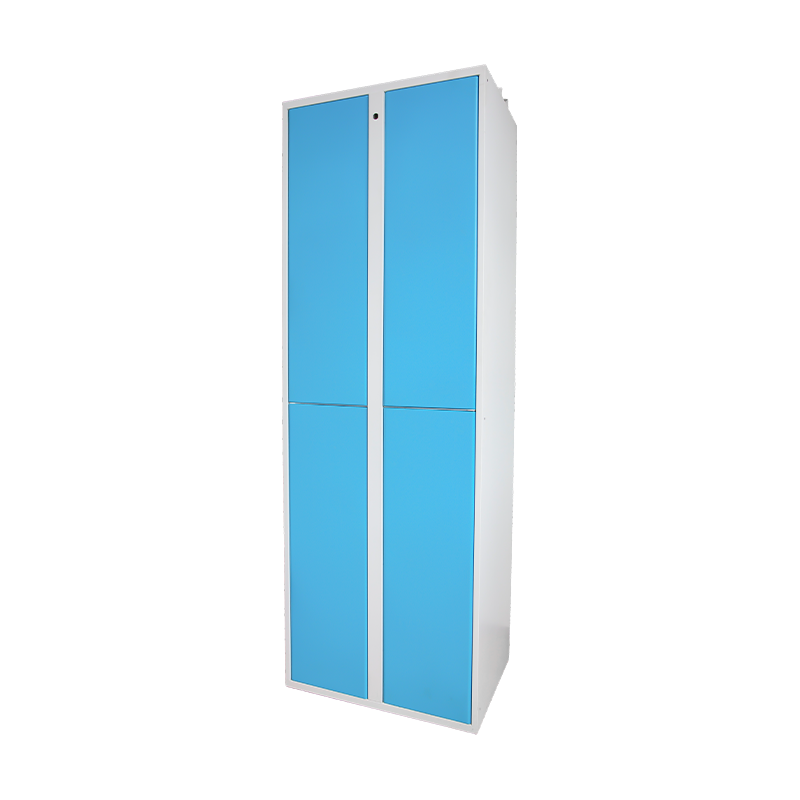
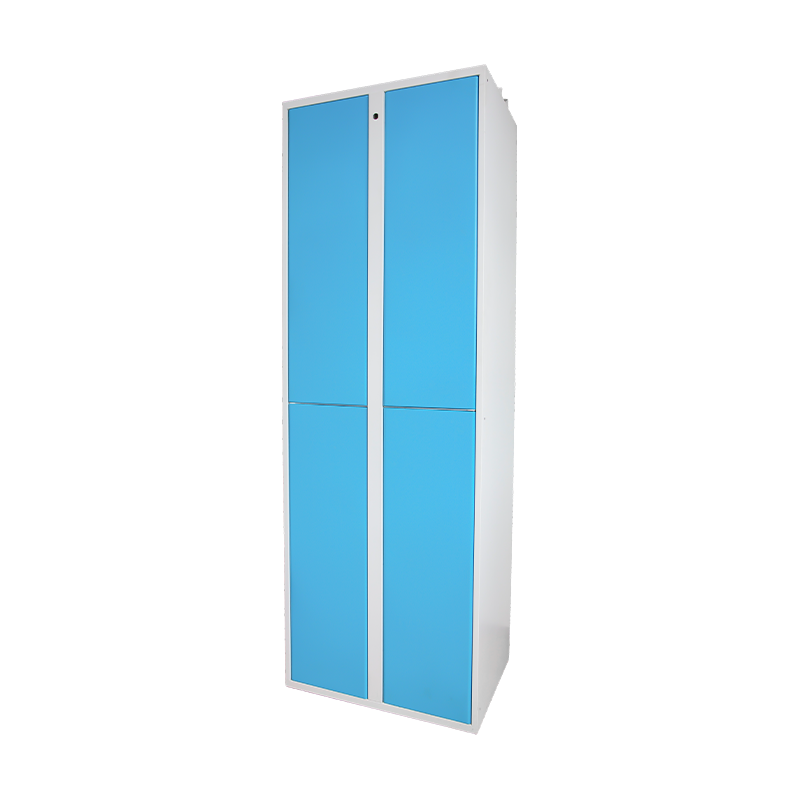 Custom Steel Lockers Manufacturer, FactoryChangzhou Yasu Metal Technology Co., Ltd. is a China Custom OEM/ODM Steel Lockers Manufacturer and Factory. Our product supports personal...View Product →
Practical Ordering Guidance for Steel Lockers
Before requesting a quotation, clarify the points that cause most locker disputes later:
- Measure the wall and decide the number of lockers, including clearance for door swing and handle protrusion.
- State the minimum steel gauge or metric thickness for the door, body, and internal shelf.
- Confirm the lock system: recessed key lock, padlock hasp, combination lock, or buyer-supplied electronic lock.
- Decide whether the door must have ventilation louvers and whether a number plate or custom branding is needed.
- Specify the finish color by RAL or Pantone reference so the final powder coat matches the room design.
- Ask whether the unit is delivered assembled or flat-packed, and how it will be protected during freight.
The main lesson is to treat a steel locker as an engineered sheet-metal assembly, not a commodity cabinet. Material grade, gauge, edge returns, locking hardware, and coating all work together. You can compare the complete metal storage product range for alternatives, or read our earlier article on why metal wardrobes are becoming a common storage choice for a related view of steel sheet-metal furniture.