

 English
 русский
 Español
Content
Quick answer: a sheet metal wardrobe is a storage wardrobe whose body, doors, and shelves are formed from thin steel sheet — most commonly 0.4 to 1.0 mm cold-rolled or galvanized steel — laser cut, CNC bent, joined by welding or fasteners, and protected with a baked powder coating. It is the better choice over wood or engineered board when moisture, termites, or heavy daily use are in the picture, and it is a safe buy as long as you confirm three things: the panel thickness in millimeters, the quality of the welds, and the completeness of the coating. The guide below walks through the specs, the manufacturing steps, and the checks that separate a wardrobe that lasts from one that arrives dented.
What a Sheet Metal Wardrobe Actually Is
A sheet metal wardrobe starts as coils of steel sheet. The flat panels — sides, top, bottom, back, doors, and shelves — are cut to size, then folded on a press brake to create stiffness ribs and return edges. Corners are either spot- or arc-welded into a rigid box, or left loose and joined at assembly with bolts and barrel nuts. Shelves rarely get fixed brackets; most designs hang on hooks punched directly into the side panels, so shelf height can be changed without tools.
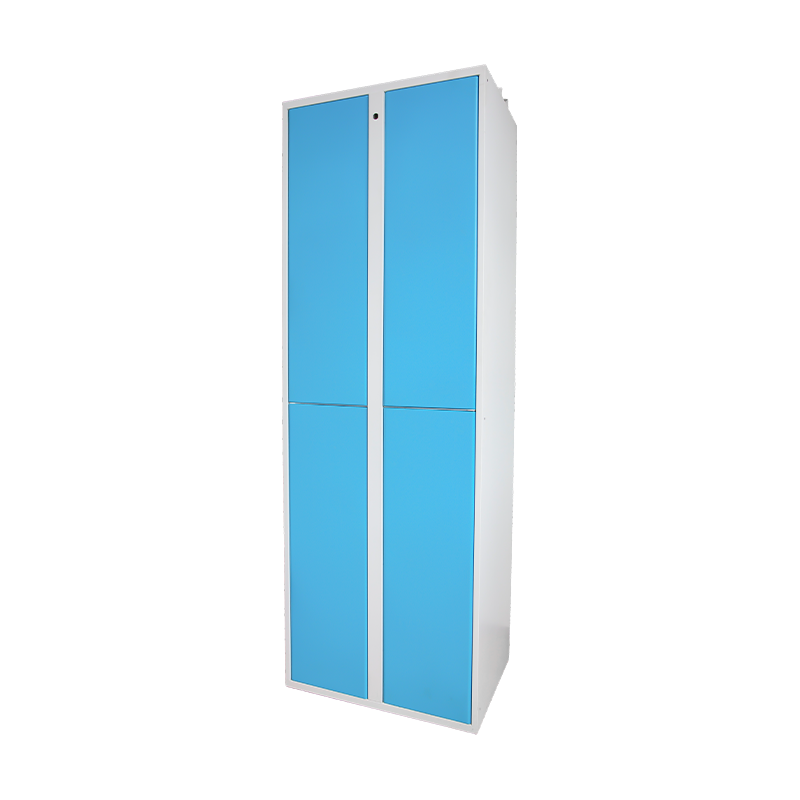
The material itself is usually one of two grades. SPCC cold-rolled steel is the standard choice for indoor painted units because it bends cleanly and accepts powder coating well. Galvanized sheet, with its zinc layer, is specified when humidity is a standing concern. One public CAD library model of a single-section metal wardrobe illustrates a fairly typical mainstream build: 0.6 mm sheet, body joined by arc-welded spots, shelves resting on knocked-out hooks. That thickness and joining method is a reasonable reference point for a standard home unit.
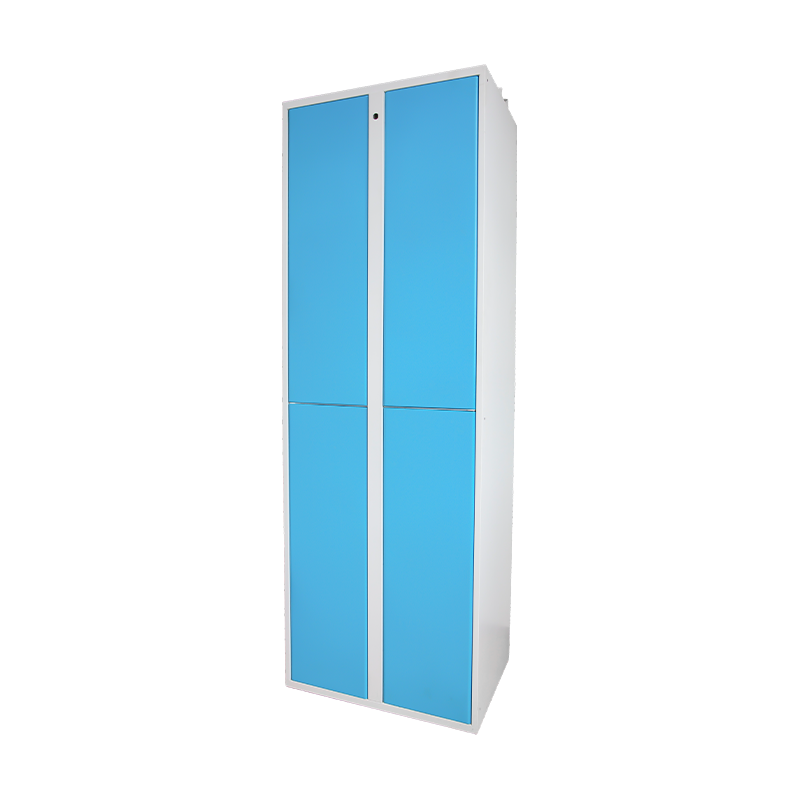 Single-Section Metal WardrobeA sheet-metal wardrobe built with welded joints and customizable shelving layouts. It illustrates the article's reference build of 0.6 mm steel, a sensible benchmark for a standard home storage unit.View Product →
Panel Thickness: The Spec That Decides Everything
Thickness drives dent resistance, door stability, and shelf load capacity. Thin panels flex. A door skin that is too light oil-cans — it pops in and out when closed — and a side panel that is too thin dents from a vacuum cleaner bump. Doors are usually the same gauge as the body or one step heavier, since flat, wide door panels are the most visible surface in daily use.
The ranges below reflect common practice in the metal furniture trade. If a quote says "high-quality steel" without a millimeter figure, ask again — gauge numbers vary between markets, and millimeters do not.
| Sheet thickness | Typical application | What to expect |
|---|---|---|
| 0.4–0.5 mm | Budget units, dorm rooms, light or temporary storage | Lowest cost and weight; dents and door flutter are more likely if handling is rough |
| 0.6–0.7 mm | Mainstream home wardrobes, standard doors and shelves | The most common family-use spec; balances cost, stiffness, and shipping weight |
| 0.8–1.0 mm | Heavy-duty, commercial, and humid installations | Noticeably stiffer doors and shelves; adds material cost and total weight |
Sheet Metal vs. Wood: Where Each One Wins
Neither material wins everywhere. Steel wins on environment; wood still wins on warmth and decorative detail. The practical differences sit here:
| Factor | Sheet metal wardrobe | Wood / plywood wardrobe |
|---|---|---|
| Humidity | Panels do not absorb water; coating protects the surface | Boards swell, warp, and delaminate in damp rooms |
| Pests and mold | Nothing for termites to eat; wipe-clean surfaces | Vulnerable to termites and surface mold |
| Odor | No panel adhesives, so no glue-related smell | Depends on the adhesives and finishes used |
| Weight and moving | Light panels; almost always flat-packed | Solid units are heavy and awkward to relocate |
| Impact and wear | Thin skins can dent; gauge decides how much | Scratches and chips; veneer edges can peel |
| Design flexibility | Punched patterns, louvers, coating colors | Carving, veneers, warm textures |
If you are weighing a longer-term storage decision, our industry article on whether a metal wardrobe is the future of storage looks at the trend behind this shift.
How a Sheet Metal Wardrobe Is Made, Step by Step
Each production step is a place where quality is either built in or lost, so it helps to know what happens before a wardrobe reaches your door.
- Laser cutting: panels, door vents, and shelf hook holes are cut from sheet. Clean, burr-free edges matter here; ragged cuts show through the coating later.
- CNC bending: a press brake folds the returns, ribs, and door skins. Consistent bend angles are what keep a door square in its frame.
- Welding and seam finishing: corners are spot- or arc-welded. Robot welding produces repeatable seams, and grinding afterward removes spatter that would otherwise telegraph through the paint.
- Surface treatment and powder coating: panels are degreased and phosphate-treated, then powder coated and baked. This layer is the entire rust defense, so coverage on edges and punched holes is critical.
- Inspection and packing: door alignment, hardware fit, and coating finish are checked before panels are wrapped with foam and edge guards for transit.
The same production line can take non-standard dimensions, interior layouts, and coating colors; our custom sheet metal fabrication service runs from your drawing to a finished unit.
Five Checks Before You Order
- Get thickness in writing. The quote should state millimeters per part — body, doors, and shelves separately — not just "steel."
- Ask how corners are joined. A welded body is stiffer and stays square; if it is welded, ask whether seams are ground and spatter-free.
- Verify the coating, not just the color. Ask for powder coating rather than spray paint, and whether edges and hole walls are covered, since rust starts where the coating is thinnest.
- Check the hardware. Hinges and rails are the parts you touch daily; hinges take thousands of open-close cycles, so judge the hardware before the panels.
- Require shipping protection. A large share of dent complaints on metal cabinets begin in transit — insist on edge guards and foam between panels.
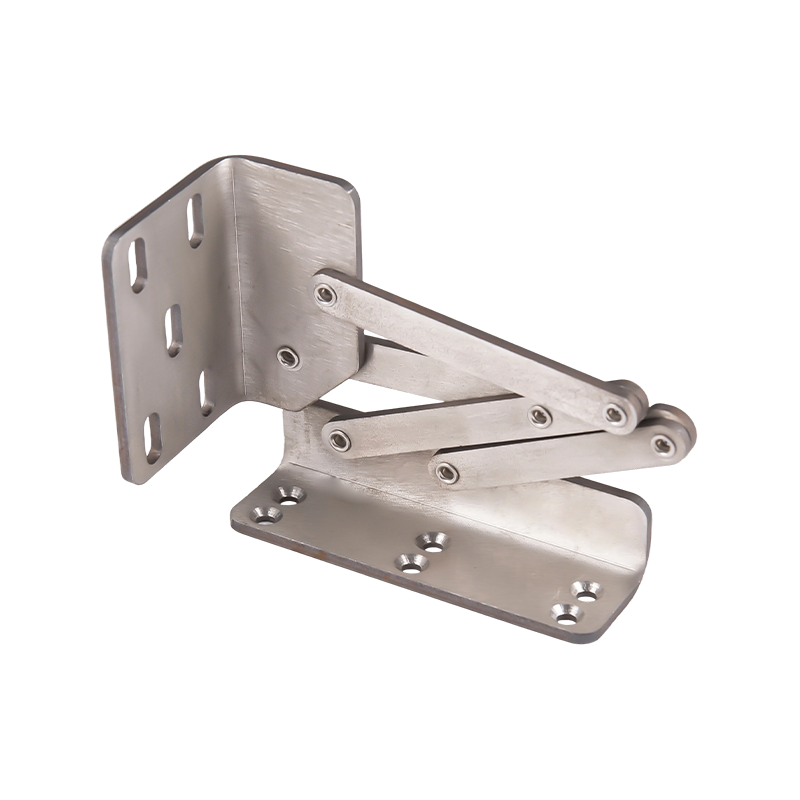
Hardware deserves a closer look than it usually gets. A wardrobe with well-made panels can still disappoint if the doors sag within a year because the hinges were chosen on price alone. The hinge range used across cabinet and enclosure projects gives a useful benchmark:
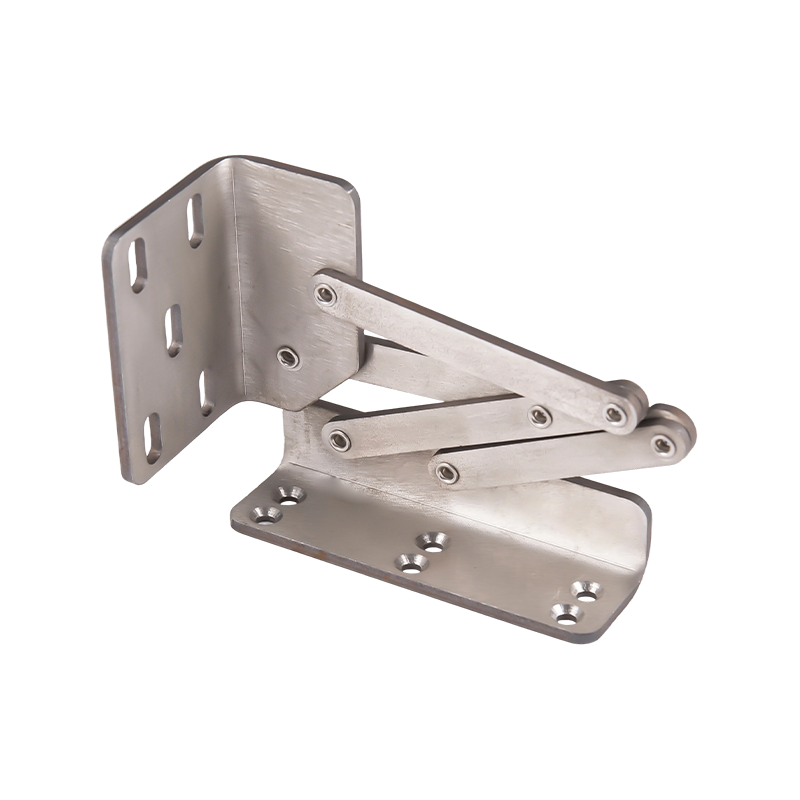 Precision Stainless Steel HingesStamping-formed hinges with smooth operation, strong load capacity, and customizable materials and finishes. They matter here because hinge quality determines whether wardrobe doors stay aligned over years of use.View Product →
Which Setup Fits Your Space?
Four common situations, and what to prioritize in each:
Humid coastal rooms
Specify galvanized panels or confirm the coating covers all edges and punched holes; wipe condensation off the top surface.
Family bedroom
0.6–0.7 mm body with a powder-coated finish and tool-free adjustable shelves covers most household needs.
Dorms and staff rooms
0.4–0.5 mm keeps cost down for light use; prioritize flat-pack design and spare parts availability.
Long-term heavy storage
Choose 0.8 mm or heavier with a welded frame, and ask about coating warranty rather than price alone.
Frequently Asked Questions
What thickness is best for a home sheet metal wardrobe?
For most households, 0.6–0.7 mm is the practical mainstream range. Move to 0.8 mm or heavier if shelves will carry heavy loads or the room is humid, and treat 0.4–0.5 mm as a budget tier for light, short-term use.
Do metal wardrobes rust?
Not while the coating stays intact. Rust almost always starts at scratches, cut edges, or hole walls where protection is thinnest, so check coating coverage before purchase and touch up any chips promptly.
Is a welded body better than a flat-packed one?
A welded body is stiffer and stays square over years of use, but weld quality varies — look for clean, ground seams. Flat-pack units ship cheaper and move more easily; their long-term rigidity depends on fastener fit and panel flatness.
Can I rearrange the shelves later?
In most designs, yes. Shelves hang on hooks punched into the side panels, so heights adjust without tools. Confirm the hole pitch, the spacing between holes, if you plan to use third-party shelf accessories.
Will a sheet metal wardrobe look out of place in a bedroom?
Not with current finishes. Powder coating is available in matte whites, grays, and textured or woodgrain-effect surfaces, which is why coated steel units now appear in home bedrooms as well as locker rooms and staff areas.
References
- GrabCAD community CAD library, one-section metal wardrobe model
- Publicly published retail customer reviews of metal wardrobe cabinets