

 English
 русский
 Español
Content
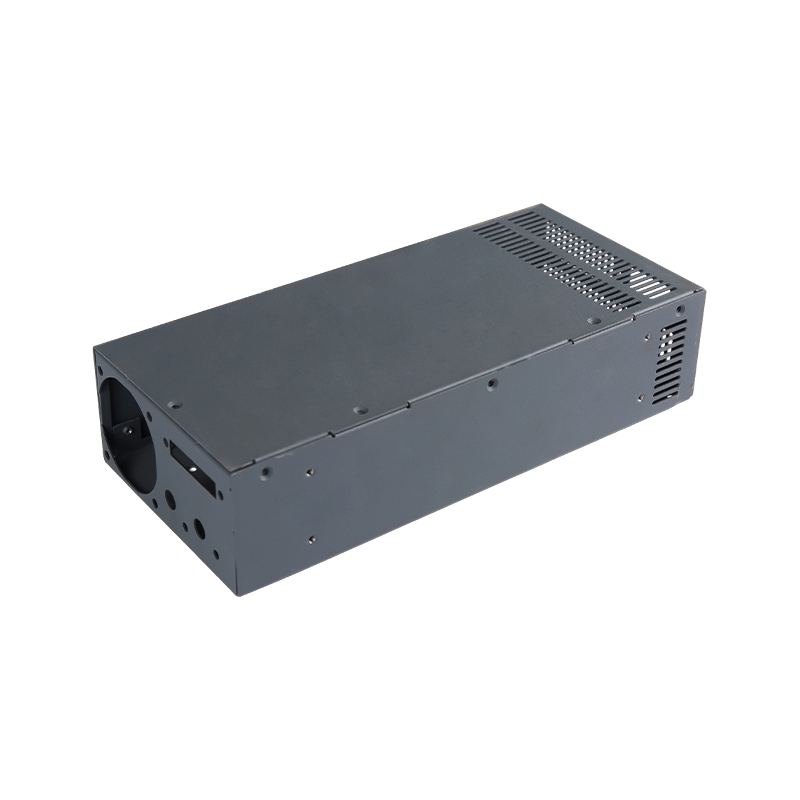
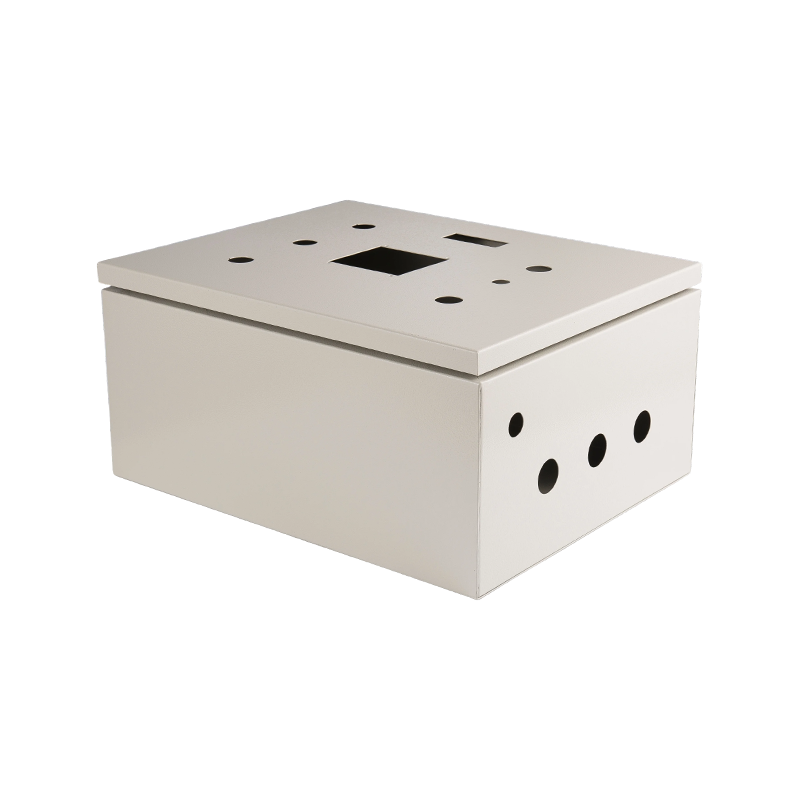
The power supply casing serves as a fundamental protective barrier that safeguards internal electronic components, manages thermal dissipation, mitigates electromagnetic interference, and ensures user safety through robust electrical insulation. A well-designed enclosure directly dictates the operational lifespan and reliability of the entire power delivery system.
Primary Functions of a Power Supply Casing
The enclosure of a power supply is far more than a simple metal box; it is a precisely engineered component designed to fulfill several critical roles simultaneously. Without a proper casing, the delicate internal circuitry, including transformers, capacitors, and heatsinks, would be exposed to environmental hazards and physical damage.
Physical Protection and Electrical Isolation
One of the most immediate benefits of the casing is physical protection. It prevents foreign objects, dust, and moisture from coming into contact with high-voltage components. Furthermore, the casing provides crucial electrical isolation. By enclosing live wires and solder points, it protects users from accidental electric shocks. The casing acts as the first line of defense against accidental contact with hazardous voltages.
Thermal Management and Ventilation Design
Power supplies generate significant amounts of heat during operation due to energy conversion inefficiencies. The casing plays an active role in thermal management. Through strategically placed ventilation holes and fan mounts, the enclosure facilitates a directed airflow that draws cool air over the hottest components and expels heated air out of the unit.
- Intake vents are typically positioned near the transformer and primary heatsink to capture the highest density of heat.
- Exhaust vents are placed near the cooling fan to efficiently push heated air away from the secondary circuitry.
- The internal layout of the casing often guides air through narrow channels, increasing the velocity of the airflow over critical areas.
In fanless designs, the casing itself often features external fins to increase the surface area, allowing it to act as a massive passive heatsink. Effective thermal design within the casing can significantly reduce the internal operating temperature, thereby extending the lifespan of capacitors and semiconductors.
Material Selection and Durability
The choice of material for a power supply casing is a delicate balance between cost, durability, weight, and thermal conductivity. Most industrial and consumer power supplies rely on metals, though specialized applications might use high-grade engineered plastics for specific internal isolation shields.
| Material Type | Thermal Conductivity | Durability | Cost Effectiveness |
|---|---|---|---|
| Galvanized Steel | Moderate | High | Very High |
| Aluminum Alloy | Excellent | Moderate | Moderate |
| Engineered Plastic | Low | Low to Moderate | High |
Galvanized steel is the most prevalent choice due to its excellent structural rigidity and low manufacturing cost. However, aluminum is increasingly favored in high-performance applications because it is lightweight and offers superior heat dissipation. Aluminum casings often allow for more compact designs without sacrificing thermal performance.
Electromagnetic Interference (EMI) Shielding
Switching power supplies generate high-frequency electrical noise that can interfere with other electronic devices. The metallic casing functions as a Faraday cage, trapping these electromagnetic waves inside the unit and preventing them from radiating into the surrounding environment. This is vital for compliance with international emission standards.
To enhance this shielding, the casing must maintain continuous electrical conductivity. Designers ensure that all seams are tightly fitted and that grounding points securely connect the casing to the earth ground wire. A properly grounded metal enclosure can block the vast majority of radiated electromagnetic emissions, ensuring stable operation in sensitive environments like medical facilities or recording studios.
Safety Standards and Structural Integrity
Beyond shielding and cooling, the casing must withstand mechanical stress. The metal sheets used must be thick enough to prevent flexing or puncturing if the unit is dropped or subjected to external pressure. Furthermore, the casing must prevent the spread of fire in the rare event of an internal component failure. Fire retardant materials and specific vent designs are utilized to ensure that any internal flame is contained and starved of oxygen.
- Structural ribs are often stamped into the metal panels to increase rigidity without adding extra weight.
- Edges are folded inward to eliminate sharp burrs, protecting technicians during installation and maintenance.
- The base plate is designed with specific creepage and clearance distances to ensure that high voltage cannot arc to the casing.
By integrating these safety features, manufacturers ensure that the casing provides a stable, secure environment for the power supply's internal components, ultimately guaranteeing long-term reliability and user safety. Rigorous structural testing of the casing is just as important as the electrical testing of the internal circuit board.