

 English
 русский
 Español
Content
- 1 Basic Definition and Core Characteristics of Sheet Metal Parts
- 2 Common Materials for Sheet Metal Parts and Selection Criteria
- 3 Mainstream Manufacturing Processes of Sheet Metal Parts
- 4 Key Application Fields of Sheet Metal Parts
- 5 Quality Control and Common Optimization Methods for Sheet Metal Parts
Sheet metal parts are thin-walled metal components fabricated through cold working processes, serving as fundamental structural and functional components across nearly all industrial fields. With the core advantages of lightweight, high rigidity, easy forming and low production cost, these parts can adapt to complex structural design and mass production requirements. In modern industrial manufacturing, over 60% of mechanical and electrical equipment shell and auxiliary structures adopt sheet metal parts, which are irreplaceable in equipment assembly, structural protection and appearance shaping. The performance, precision and service life of sheet metal parts are mainly determined by material selection, processing technology and post-treatment process, and standardized production and processing can effectively improve the overall stability of industrial products.
Basic Definition and Core Characteristics of Sheet Metal Parts
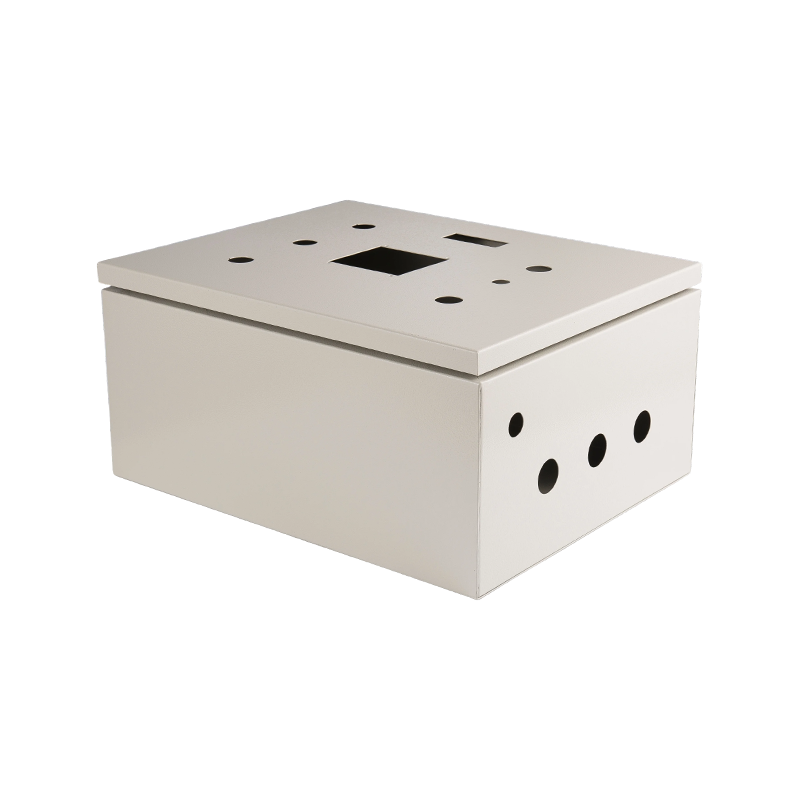
Sheet metal parts refer to metal parts processed from metal sheets with a thickness generally between 0.5mm and 20mm through bending, stamping, cutting, welding and other cold processing technologies. Different from castings and forged parts, sheet metal parts are processed based on flat metal raw materials, without large-scale hot melting and forging deformation, so they retain excellent metal texture and structural uniformity. This type of parts is not limited by single shape, and can be made into flat, curved, box-type and other complex shapes according to actual use needs, meeting the diversified design requirements of different industries.
Key Structural and Performance Characteristics
- Lightweight and high strength: The thin-wall structure greatly reduces the overall weight of the equipment, while the metal material itself maintains high tensile strength and hardness, which can bear conventional external pressure and impact, and balance weight and structural stability perfectly.
- High plasticity and formability: Metal sheets have good ductility at room temperature, and can complete bending, rolling, flanging and other molding operations without material fracture, realizing flexible customization of various complex structural shapes.
- Excellent assembly compatibility: Sheet metal parts can be reserved with standard holes, grooves and connecting structures during processing, which is convenient for bolt connection, welding assembly and modular installation, and has strong adaptability to automated production lines.
- Good surface machinability: The flat base surface of sheet metal parts is convenient for surface treatments such as spraying, electroplating and sandblasting, which can improve corrosion resistance and aesthetics, and meet the dual needs of functional use and appearance design.
Common Materials for Sheet Metal Parts and Selection Criteria
Material selection is the primary link affecting the performance of sheet metal parts. Different metal materials have obvious differences in hardness, ductility, corrosion resistance and cost, which directly determine the application scenario and service life of the parts. Industrial sheet metal processing mainly uses steel, stainless steel, aluminum alloy and copper alloy materials, and the selection needs to comprehensively consider the use environment, load requirements and production cost.
Main Materials and Applicable Scenarios
| Material Type | Core Advantages | Main Application Scenarios |
|---|---|---|
| Carbon Steel | Low cost, high hardness, good weldability | Ordinary equipment shells, mechanical brackets, industrial supports |
| Stainless Steel | Anti-corrosion, rust-proof, high durability | Environmental equipment, kitchen hardware, medical equipment parts |
| Aluminum Alloy | Ultra-light, good heat dissipation, easy processing | Electronic equipment shells, new energy accessories, aviation lightweight parts |
| Copper Alloy | Excellent conductivity and thermal conductivity | Electrical conductive parts, heat dissipation components |
Basic Selection Principles
First, match the environmental adaptability of the material. For parts used in humid, outdoor and corrosive environments, stainless steel or anti-rust treated carbon steel should be preferred to avoid rust and deformation. Second, consider the structural load. For bearing and supporting parts, high-hardness carbon steel is selected, while for decorative and heat-dissipating parts, lightweight aluminum alloy is more suitable. Third, balance production cost. On the premise of meeting performance requirements, conventional carbon steel can be used for ordinary parts to control overall manufacturing costs.
Mainstream Manufacturing Processes of Sheet Metal Parts
The production and processing of sheet metal parts is a systematic process, which is composed of multiple core processes from raw material cutting to finished product forming. Mature and standardized processing technology is the key to ensure the dimensional accuracy and structural stability of parts. At present, industrial mainstream sheet metal processing includes cutting, bending, stamping, welding and surface post-treatment processes, and each process has standardized operation specifications and quality standards.
Core Processing Procedures
- Precision Cutting: According to the part drawing size, laser cutting, plasma cutting or shearing machine cutting is used to cut the whole metal sheet into required blanks. Laser cutting technology can achieve a dimensional accuracy of ±0.1mm, which is suitable for complex pattern and special-shaped blanking, and is the most widely used cutting process at present.
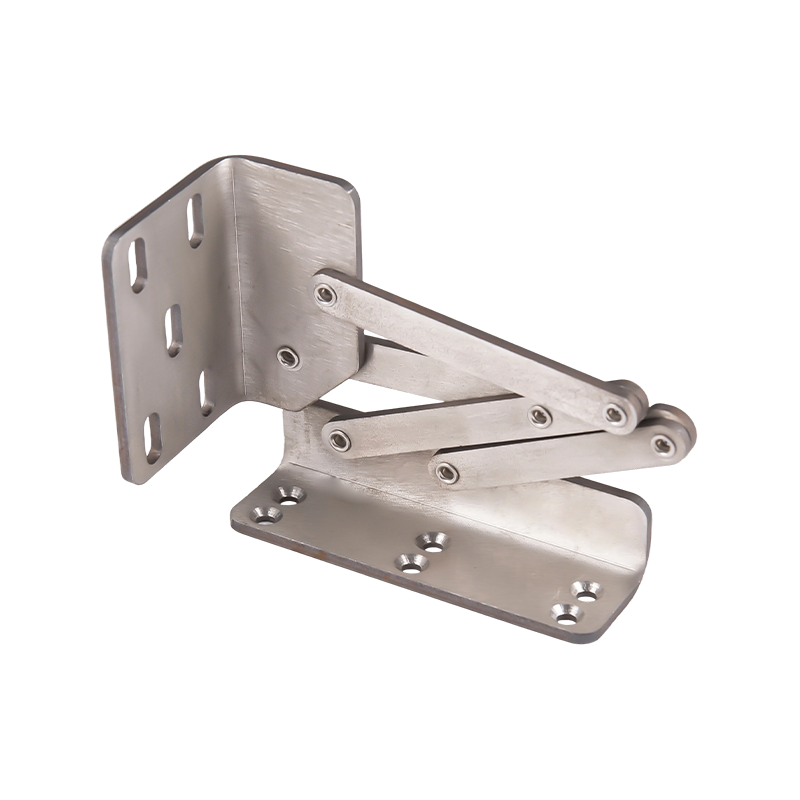
- Bending Forming: The flat blank is placed on a bending machine, and external force is applied to bend the metal sheet into a three-dimensional structure such as right angle and arc. Bending is the most essential process of sheet metal parts, which determines the basic shape and assembly size of the parts. Reasonable bending sequence can effectively avoid material deformation and size deviation.
- Stamping Processing: For parts with batch holes, grooves and convex and concave structures, stamping equipment is used for one-time forming. The stamping process has high production efficiency and stable product consistency, which is very suitable for mass production of standardized sheet metal parts.
- Assembly Welding: For complex sheet metal components composed of multiple parts, spot welding, argon arc welding and other processes are used for assembly connection. Welding can improve the overall structural strength of parts, and standardized welding operation can avoid welding deformation and solder joint defects.
- Surface Post-treatment: Including deburring, polishing, spraying, electroplating and oxidation treatment. Post-treatment can remove processing burrs, improve surface flatness, and form a protective layer on the surface of parts to enhance corrosion resistance and wear resistance.
Key Application Fields of Sheet Metal Parts
Due to its excellent comprehensive performance and flexible processing characteristics, sheet metal parts have penetrated into all fields of industrial production and civil manufacturing. From precision electronic equipment to large industrial machinery, sheet metal parts play an irreplaceable role in structural support, equipment protection and functional bearing. The application proportion of sheet metal parts in different industries is different, and the processing precision and material requirements are also differentiated accordingly.
Electronic and Electrical Industry
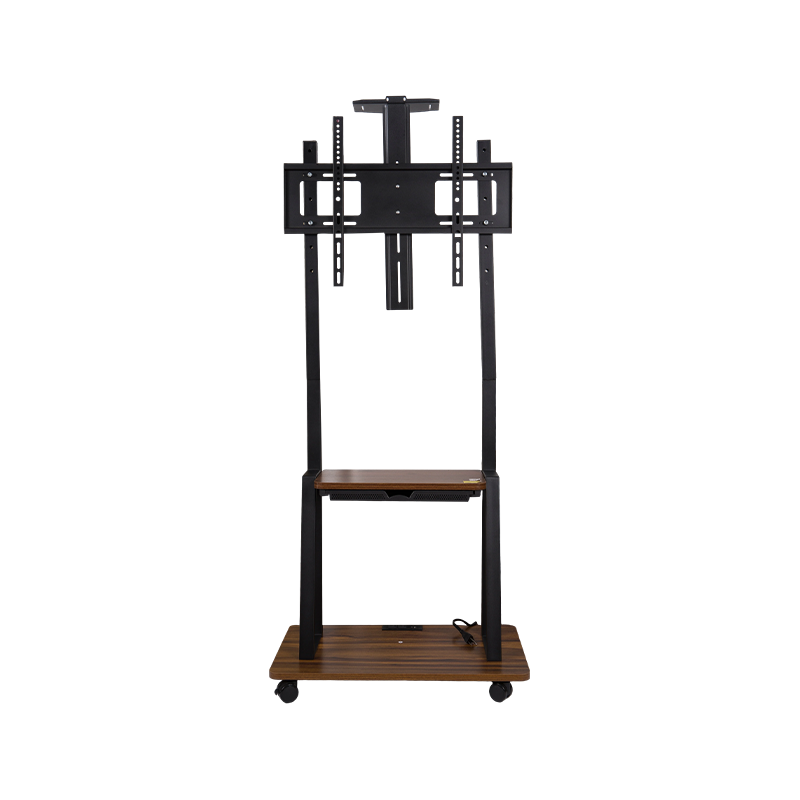
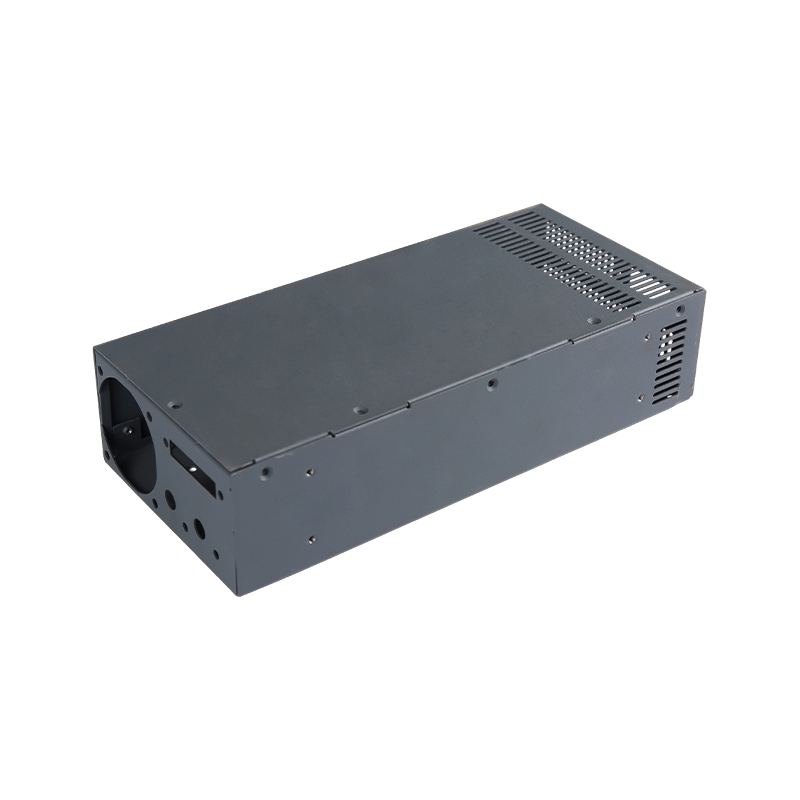
This is one of the largest application scenarios of sheet metal parts. Various electronic equipment casings, power distribution boxes, electrical brackets and heat dissipation frames are all made of sheet metal processing. Such parts require high dimensional accuracy and good surface flatness, and need to have anti-static and anti-interference properties after special treatment. Nearly 70% of the structural accessories of household electrical appliances and industrial electrical equipment belong to sheet metal parts, which ensure the safe operation and structural stability of electronic and electrical equipment.
Mechanical Manufacturing Industry
In general machinery, automation equipment and engineering machinery, sheet metal parts are used as protective covers, equipment supports, connecting plates and guide parts. These parts need to have high structural strength and impact resistance to adapt to the complex working environment of mechanical operation. Most of the mechanical sheet metal parts adopt thickened carbon steel materials, and the processing focuses on structural stability and assembly precision to ensure the long-term stable operation of mechanical equipment.
New Energy and Aerospace Industry
The new energy industry such as photovoltaic equipment and energy storage devices, as well as the aerospace field, puts forward higher requirements for sheet metal parts. Lightweight aluminum alloy sheet metal parts are widely used in equipment shells and structural supports, which can reduce the overall weight of equipment and improve energy utilization efficiency. Aerospace sheet metal parts need ultra-high precision processing and special anti-oxidation treatment to adapt to high-altitude and high-temperature working environments.
Civil Hardware and Construction Industry
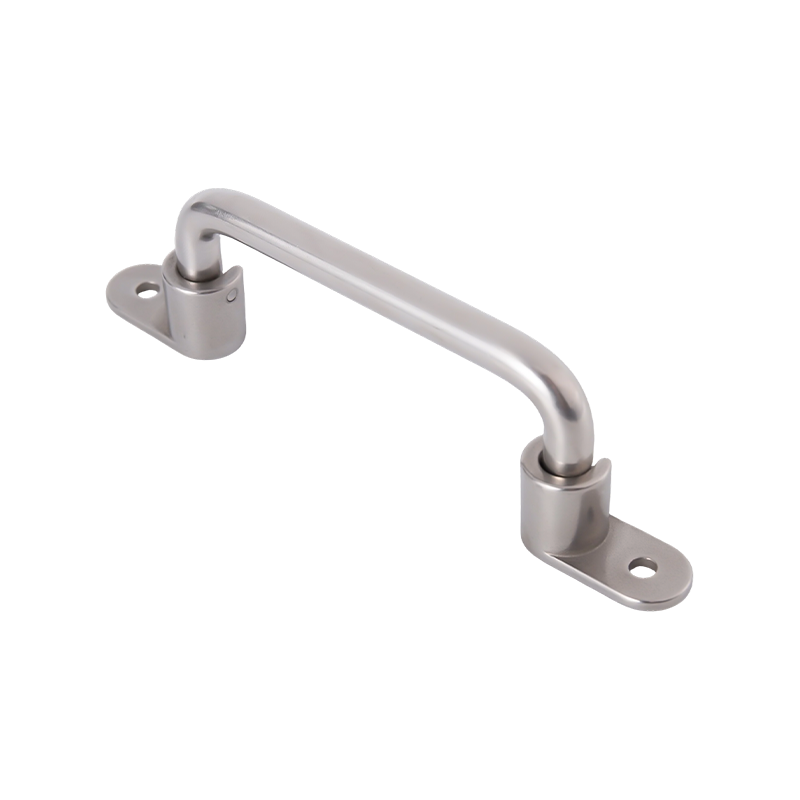
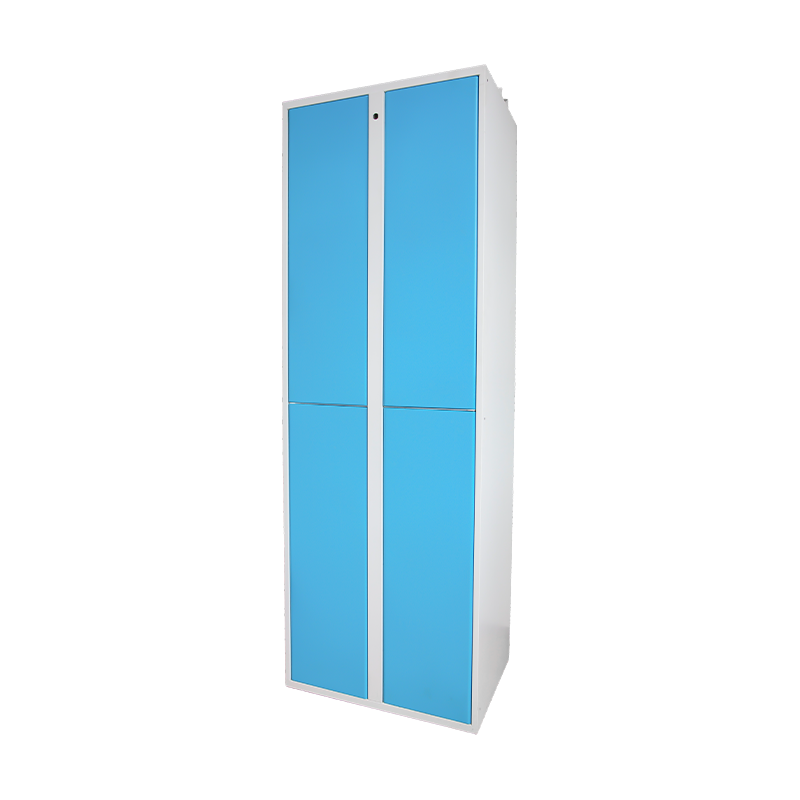
In architectural decoration, kitchen hardware and daily civil products, sheet metal parts are used for metal keels, decorative panels, hardware brackets and other components. Such parts pay more attention to surface aesthetics and corrosion resistance, and mostly adopt stainless steel and sprayed sheet metal materials to meet the long-term use needs of civil scenarios.
Quality Control and Common Optimization Methods for Sheet Metal Parts
The quality of sheet metal parts directly affects the assembly effect and service life of the whole equipment. In the production process, dimensional deviation, surface defects and structural deformation are common quality problems. Through standardized process control and targeted optimization measures, the qualified rate of sheet metal parts can be effectively improved, and the overall product performance can be optimized.
Common Quality Defects in Production
- Dimensional accuracy error: Caused by inaccurate cutting and bending positioning, resulting in assembly deviation of parts, which is the most common quality problem in sheet metal processing.
- Surface processing defects: Including cutting burrs, welding scars, uneven spraying, etc., which affect the appearance and corrosion resistance of parts.
- Structural deformation: Improper bending sequence or excessive welding temperature leads to local deformation of parts, reducing structural stability and bearing capacity.
Effective Quality Optimization Measures
First, optimize the processing technology scheme, formulate standardized cutting and bending sequences according to part structural characteristics, and use precision processing equipment to control dimensional errors within a reasonable range. Second, strengthen raw material inspection, screen materials with uniform thickness and stable performance before production, and eliminate quality hidden dangers caused by unqualified raw materials. Third, improve the post-treatment process, complete deburring and fine polishing after processing, and adopt uniform spraying and electroplating processes to ensure consistent surface quality. Fourth, carry out finished product sampling inspection, conduct dimensional measurement and performance test on batch products, and adjust the processing scheme in time for unqualified products to stabilize batch quality.