

 English
 русский
 Español
Content
A product design engineer sent us a drawing for a new motor drive cabinet. The enclosure looked standard: 500 mm wide, 600 mm tall, with a simple door and one cable gland plate. But the installation site was an outdoor platform beside a washdown bay. Without a specified IP rating, suitable finish, or cable entry plan, that enclosure would fail from water ingress before the machine had run a full season.
The principle is simple: start with the operating environment, then choose the enclosure construction that meets it. For most OEMs, the most efficient route is to work with a sheet metal fabricator that can supply a robust electrical box and cabinet matched to the application, and adjust details like dimensions, cutouts, and mounting when needed.
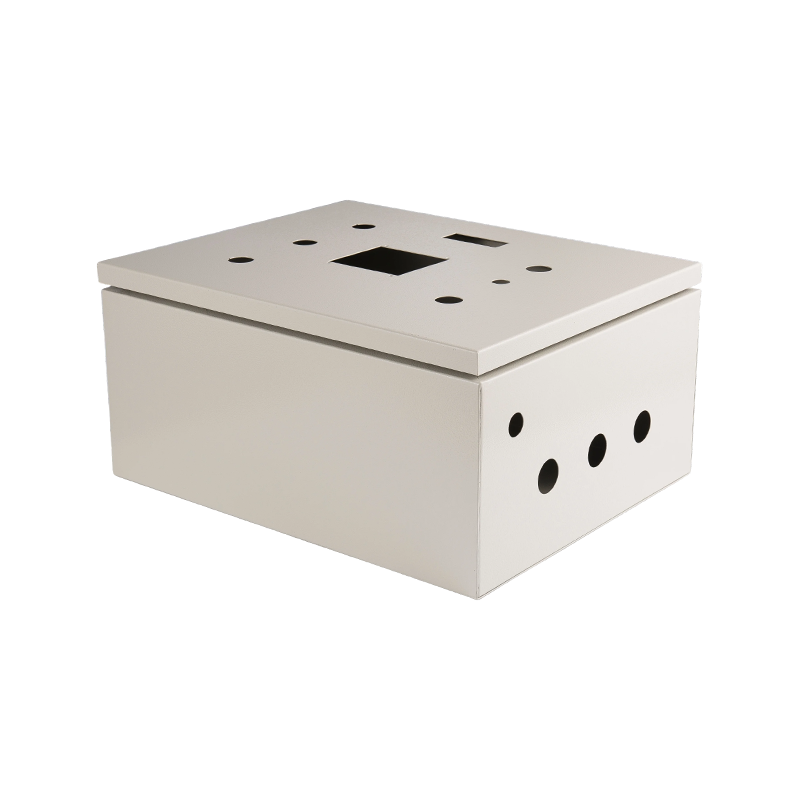 Custom Metal Distribution Box Manufacturer, FactoryChangzhou Yasu Metal Technology Co., Ltd. is a China Custom OEM/ODM Metal Distribution Box Manufacturer and Factory. We provide electrica...View Product →
What an Electrical Box or Cabinet Actually Does
An electrical box or cabinet is not just an outer shell. It protects live parts from contact, reduces the chance of electrical faults starting a fire, keeps dust and water away from terminals, and organizes cable routing for maintenance. It also gives manufacturers a place for controllers, drives, terminals, fuses, and human-machine interfaces.
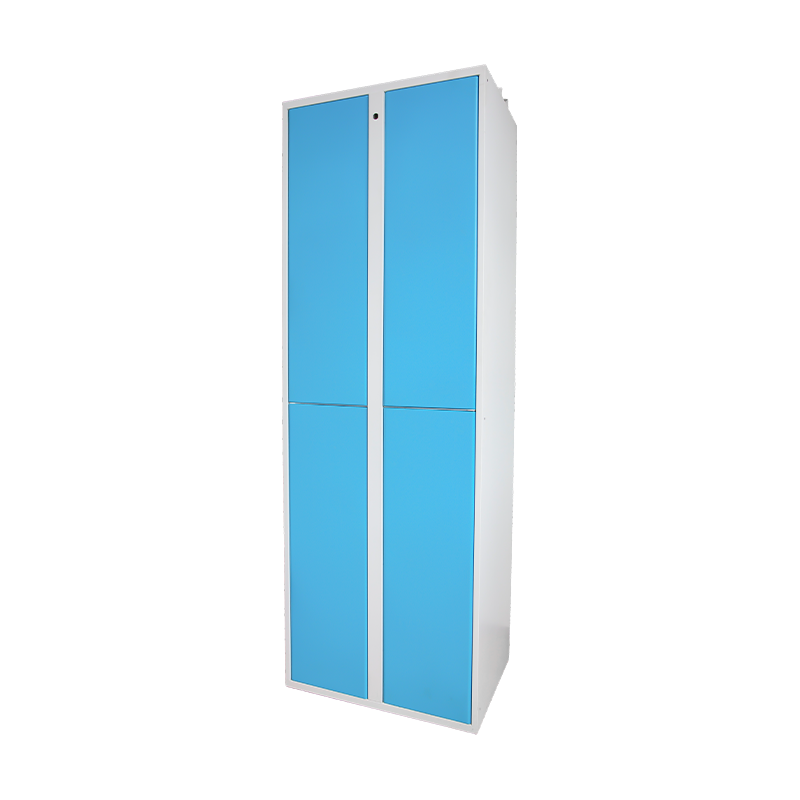
In everyday industry language, a "box" tends to be wall-mounted and compact, while a "cabinet" is generally floor-mounted and larger. The fabrication principles are similar: formed sheet metal, reinforced seams, a door or lid, and entry points for cables. The naming matters less than the protection and mechanical performance required.
Protection performance is usually defined by an IP code from IEC 60529. The table below shows the ratings most often used for industrial electrical enclosures.
| IP Rating | Protection Level | Typical Use |
|---|---|---|
| IP20 | Protected against solid objects larger than 12.5 mm; no water protection | Indoor control boxes in dry rooms |
| IP54 | Dust-protected; protected against splash water from all directions | Indoor industrial cabinets near presses, motors, or cleaning areas |
| IP65 | Dust-tight; protected against low-pressure water jets | Outdoor enclosures and washdown locations |
| IP66 | Dust-tight; protected against powerful water jets | Harsh outdoor areas, harbor equipment, heavy washdown |
| IP67 | Dust-tight; protected against temporary immersion | Special-purpose enclosures that may be flooded briefly |
In practice, a higher IP rating often means more gaskets, tighter seam treatment, and a heavier door mechanism. Each increase in protection adds cost and may make thermal management harder, so specify the rating you actually need instead of choosing the maximum available.
Choose the Right Metal for the Enclosure
For general industrial use, cold-rolled steel with powder coating remains the most balanced choice in terms of strength, cost, and formability. If the environment is humid or the enclosure is exposed to chemicals, stainless steel or aluminum may be the better long-term investment. The material decision should be made before the enclosure is designed, because bend radii, weld consumables, and finishing processes all depend on the base metal.
Cold-Rolled Steel
The cost-effective option for indoor cabinets and machines. Strong and easy to weld, but needs a durable powder-coated or painted finish to resist rust.
Stainless Steel
Best for food processing, medical equipment, chemical plants, and outdoor coastal areas. Corrosion resistance is high, but the raw material and machining costs are also higher.
Aluminum
Lightweight and good at dissipating heat. Often used for power supply housings and portable equipment. Lower strength than steel means the designer may need extra ribs or a thicker plate.
Galvanized Steel
Offers moderate corrosion resistance without painting. Practical for utility boxes in dry interiors, but weld areas need touch-up and the finish limits the color options.
If you are selecting a material for a power enclosure, the same logic applies to cooling and weight. For a more detailed explanation of how material choice affects performance in power supply applications, read our article on selecting the right material for a power enclosure.
Design and Manufacturing Details to Check Before You Order
The final reliability of a sheet metal enclosure depends on more than the choice of metal. Three details are especially important in fabrication:
- Cutout accuracy. Door cutouts for displays, locks, and switches must keep tight tolerances so the enclosure does not admit dust or water around the interface.
- Bend and seam quality. A clean bend avoids micro-cracks in the coating. Welding should be continuous where sealing is required, and ground smooth where the finish will be visible.
- Hardware and fastening. Studs, captive nuts, cable glands, and grounding points need to be planned in the design, not added manually during assembly.
When a standard catalog size is close but not accurate enough, custom sheet metal electrical boxes and cabinets solve the problem by adjusting dimensions, door style, cutouts, and brackets without changing the basic protection concept. This is common for OEMs who need a cabinet to fit around a specific drive assembly or a control panel that uses a non-standard layout.
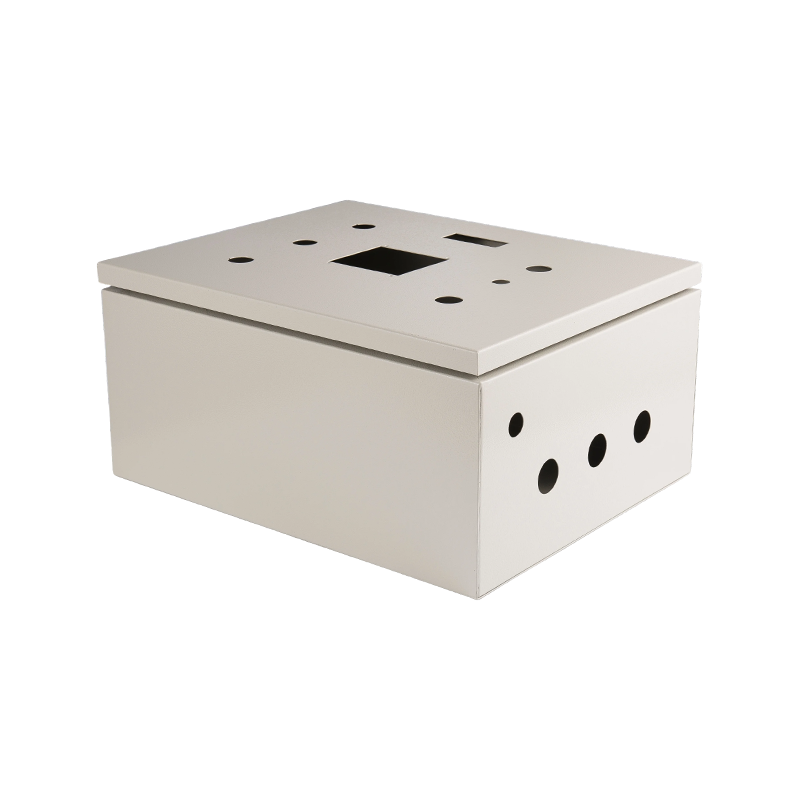 Wholesale Sheet Metal Distribution Box And Cabinet SupplierChangzhou Yasu Metal Technology Co., Ltd. is a China Wholesale OEM/ODM Sheet Metal Distribution Box And Cabinet Supplier and Company. Ou...View Product →
How a Custom Enclosure Project Usually Works
Custom sheet metal fabrication sounds complex, but the workflow follows a standard order. A clear process reduces the risk of the enclosure not fitting the equipment or the installation site.
- 1
Define the requirements. List the environment, mounting method, IP rating, dimensions, and required cutouts before contacting a fabricator.
- 2
Review the design. The fabricator checks material thickness, bend radius, weld access, and hardware placement, then suggests changes that improve production quality.
- 3
Build a sample. A prototype or pre-production part verifies fit, finish, and installation clearances, especially for cabinets with multiple doors or brackets.
- 4
Start series production. Laser cutting, CNC bending, welding, and hardware insertion run according to the tested process.
- 5
Finish and inspect. Powder coating or another surface treatment is applied, then dimensions, door alignment, and sealing are checked before packaging.
For a project that only needs minor changes to an existing product, the first two steps can be combined and the sample stage may be skipped. If you have a drawing or a similar enclosure that needs adjustment, send the reference to our custom fabrication services and the engineering team can help evaluate the changes.
Sourcing an Electrical Box and Cabinet: Beyond the Price Per Unit
When comparing suppliers, price per unit is only the beginning. The real cost is the result of rejection rates, delivery delays, missing documentation, and enclosures that do not seal correctly. A reliable supplier should be able to demonstrate the following:
- In-house laser cutting, CNC bending, and welding, so that one team owns the tolerance chain from flat sheet to welded frame.
- Robotic or laser welding where consistency matters, especially for long seams and pressure-tight corners.
- A quality check that covers dimensions, door alignment, surface finish, and thread inserts before the enclosure is packed.
- Experience with export packaging, including protective film, edge protection, and cardboard or wooden crates.
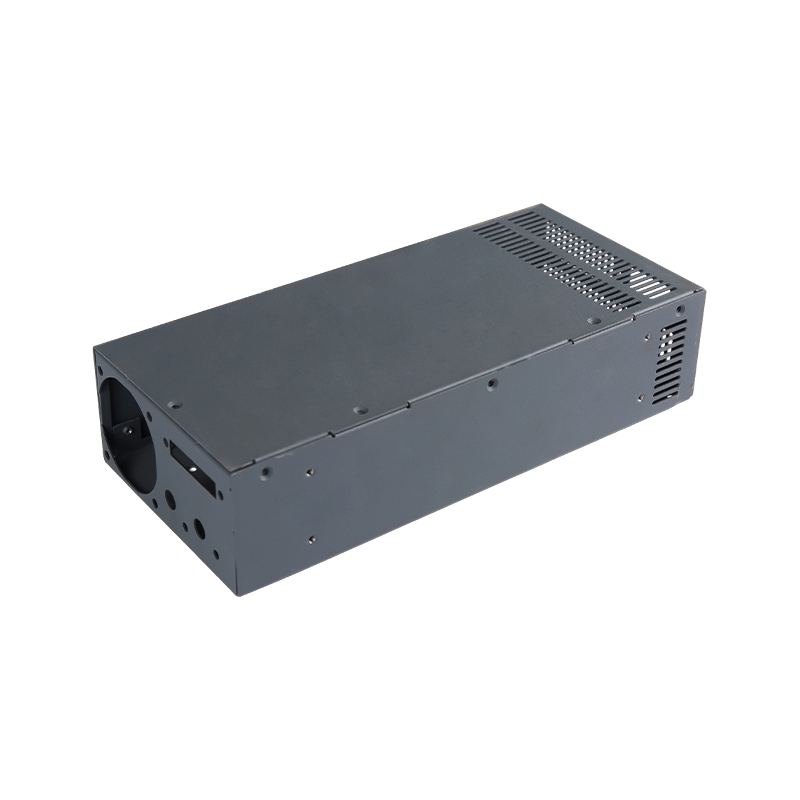
The same production line that builds switch power supply housings can also handle larger electrical cabinets. Choosing a single metal fabricator for both small housings and large cabinets simplifies the supply chain and keeps the finish consistent across the equipment set.
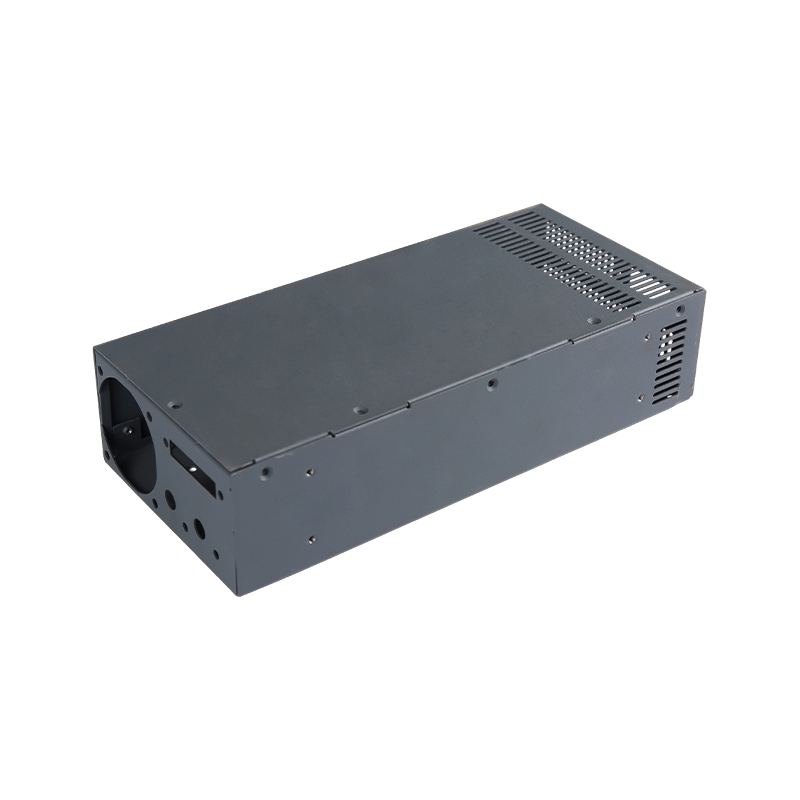 Custom Power Supply Casing Manufacturer, FactoryChangzhou Yasu Metal Technology Co., Ltd. is a China Custom OEM/ODM Power Supply Casing Manufacturer and Factory. We offer high-quality m...View Product →
Electrical Box and Cabinet FAQ
What is the difference between an electrical box and an electrical cabinet?
There is no absolute industry definition. In most conversations, a box is a smaller wall-mounted enclosure, while a cabinet is a larger floor-standing unit with a full frame. Both use the same sheet metal production methods and must meet the same protection and safety requirements.
Which IP rating should I choose for an outdoor electrical enclosure?
IP65 is the common starting point for equipment installed outdoors away from directed high-pressure water. If the enclosure faces powerful jets, frequent washdown, or coastal spray, IP66 is usually better. If it can be immersed briefly, IP67 may be necessary, but that rating is rare for normal electrical cabinets.
Can the enclosure be made with custom cutouts and colors?
Yes. Laser cutting can produce precise openings for displays, switches, connectors, and cable glands. After forming and welding, powder coating can be matched to RAL colors or a specified texture. The cutout locations and edge condition should be marked on the drawing to keep the process controlled.
How do I get a reliable lead time for a custom cabinet?
Ask the supplier to quote a schedule at the same time as the price. Lead time depends on material availability, quantity, complexity of tooling, and surface finishing. A custom sheet metal manufacturer should separate the time needed for design review, sample approval, and production so that delays are visible early.
An electrical box or cabinet is not a commodity item. It is a protective envelope that has to match the heat, moisture, and vibration of a real installation. Define the environment, agree on the material and protection class, and give the fabricator enough design detail to produce an enclosure with clean cutouts, strong seams, and a finish that can survive the plant floor. That approach saves money over the equipment lifecycle and prevents the kind of field failure that starts at the enclosure.