

 English
 русский
 Español
Content
- 1 What Separates an Electrical Box from an Electrical Cabinet
- 2 The Main Types and Where Each One Fits
- 3 Material Choice: Where Most Long-Term Problems Start
- 4 From Drawing to Shipment: How a Sheet Metal Enclosure Is Made
- 5 Four Things to Confirm Before Ordering a Custom Enclosure
- 6 Frequently Asked Questions
A junction box that fails lets dust settle on a terminal strip. A control cabinet that fails can stop a production line. Both failures usually trace back to the same decision: an enclosure specification rushed onto a drawing months before anyone visited the installation site.
The short version is this: an electrical box is a compact enclosure for wire connections, terminals, and passive components, while an electrical cabinet is a larger enclosure that houses active equipment such as circuit breakers, drives, PLCs, and power supplies. Everything else - sheet thickness, sealing, mounting, thermal design, and cost - follows from that distinction. The sections below cover the main categories, the material decisions that cause most long-term problems, and the manufacturing steps behind a dependable sheet metal enclosure.
What Separates an Electrical Box from an Electrical Cabinet
Both products start as flat sheet metal, and both exist for one reason: to protect electrical connections and components from dust, moisture, accidental contact, and mechanical damage. The difference is scale and duty.
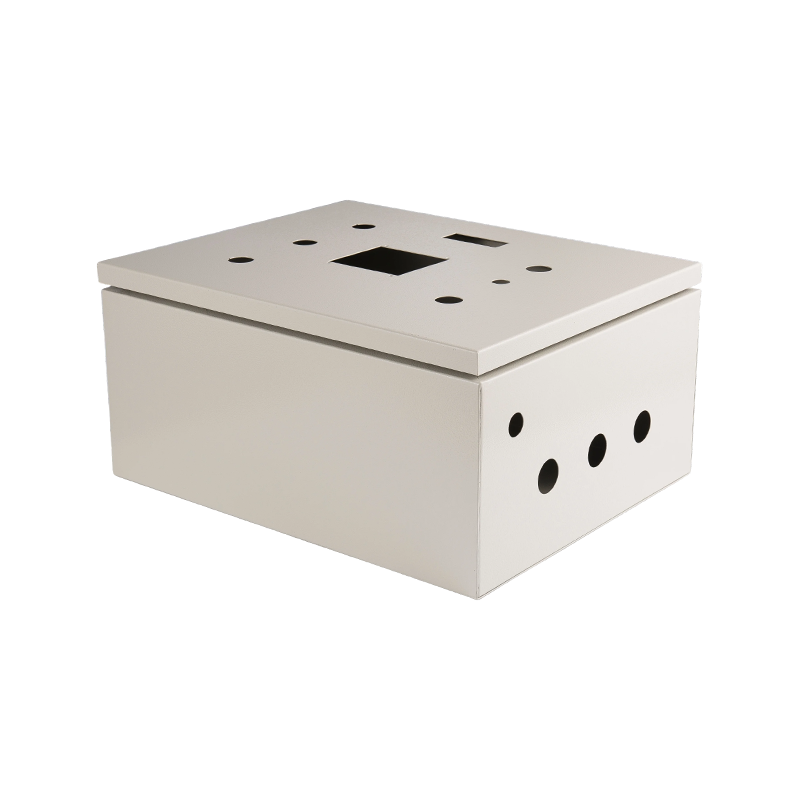
An electrical box, often called a junction box, generally ranges from palm-sized terminal enclosures up to units around 400 mm on a side. It holds wire splices, terminal blocks, and small relays, and it is typically mounted flush in a wall, on a machine frame, or inside larger equipment. One rule shapes most box designs: junction points must remain accessible for inspection, so covers are screwed or hinged rather than sealed permanently.
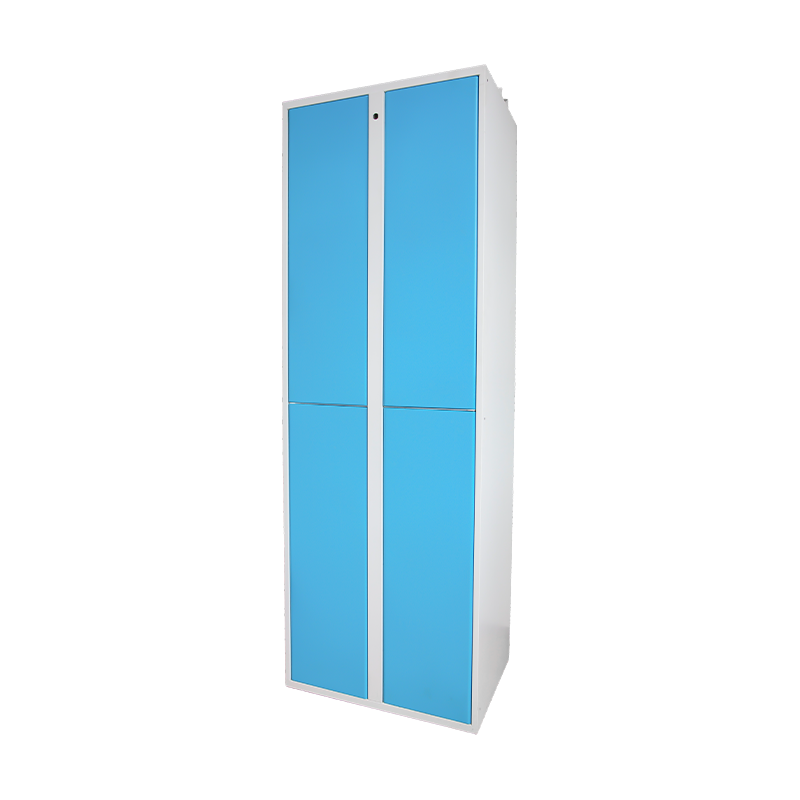
An electrical cabinet takes over where boxes stop. Floor-standing or wall-mounted, it houses breakers, variable frequency drives, power supplies, PLCs, and HMI panels, usually behind a removable mounting plate with cable entry from the top or bottom. Its door may be opened dozens of times per shift, which is why frame stiffness matters: a full-height door carrying an operator panel cannot be allowed to flex on its hinges.
Protection level is the second axis of every specification. IP54 is a common indoor baseline that blocks dust and splashing water; IP65 or IP66 suits outdoor and washdown locations; NEMA 4 and 4X are the usual North American equivalents. Confirm the rating against the real installation site rather than a catalog default.
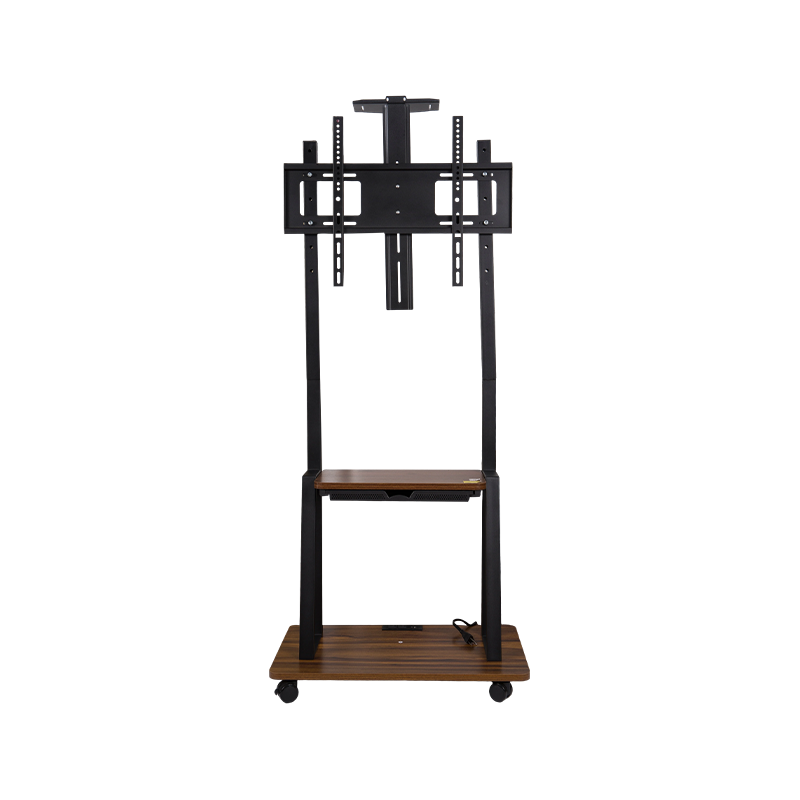
Our standard electrical box and cabinet range covers wall-mounted and floor-standing formats in several material and finish options:
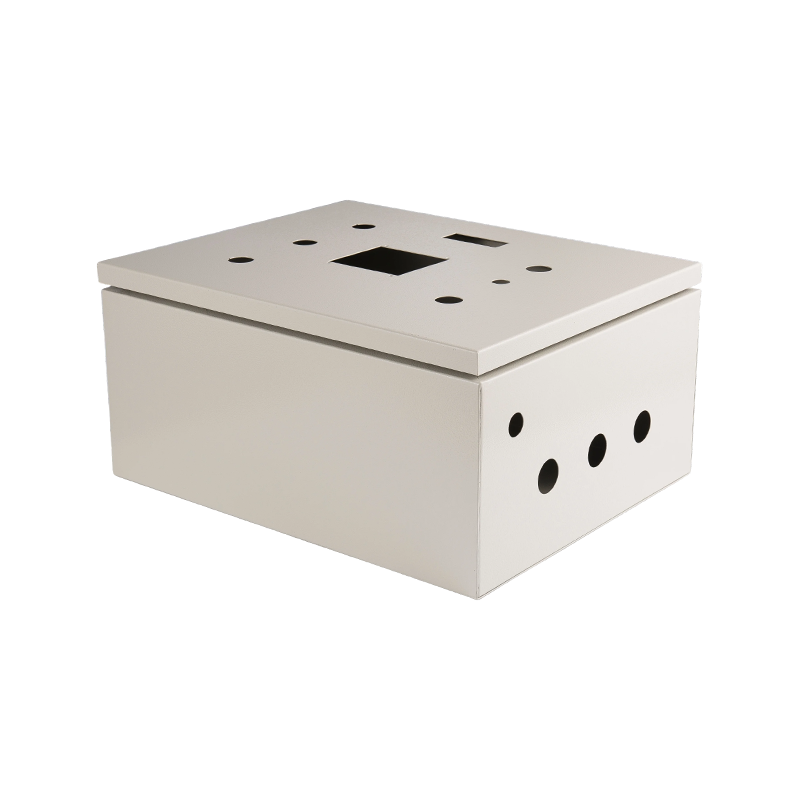 Electrical Box and CabinetWall-mounted and floor-standing enclosures made from high-strength sheet metal with waterproof, dustproof, and heat-dissipating properties. Customizable internal layouts and dimensions support power distribution and industrial control, making them a practical starting point across the five main procurement categories.View Product →
The Main Types and Where Each One Fits
Category names vary between markets, but five types cover most procurement situations. Each has a different internal layout, and each fails differently when underspecified.
Junction Boxes
Compact enclosures for wire splices and terminal blocks. Access must be preserved, so screw-on or hinged lids dominate the design.
Wire connections, machine and wall mountingDistribution Boxes
Panel boards that split incoming power into protected circuits. Breaker rails, DIN cutouts, and labeling space drive the internal layout.
Circuit protectionControl Cabinets
Floor-standing or wall enclosures for PLCs, drives, and power supplies. Mounting plates, cooling provisions, and rigid door frames define the category.
Automation and machine controlOutdoor Enclosures
Higher IP ratings, continuous gaskets, and drip hoods over the door, paired with corrosion-resistant material or coating for exposed sites.
Telecom, energy, water treatmentSwitch Power Supply Housings
Compact housings for power electronics where ventilation slots, terminal cutouts, and flat mounting surfaces matter more than internal volume.
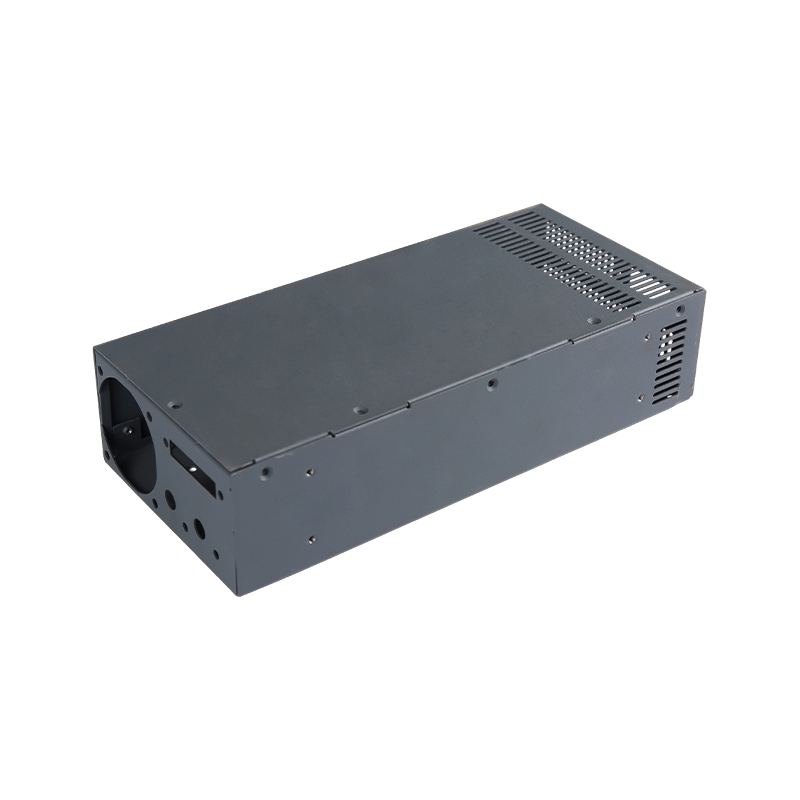
Power electronics and LED driversSwitch power supply housings justify their own product line because the tolerances run tighter than general-purpose boxes: a warped mounting face or a poorly deburred slot shows up immediately at final assembly on the customer's line.
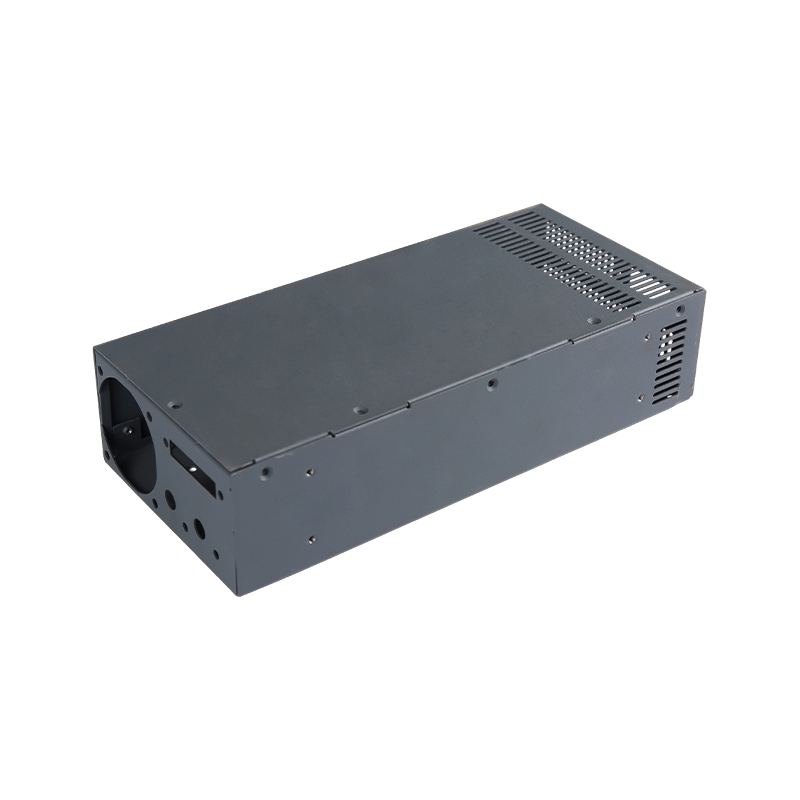 Switch Power Supply HousingPrecision-machined sheet metal housing with tight dimensional accuracy, airtightness, and dust and EMI protection for internal circuits. Because tolerances are stricter than general-purpose boxes, it merits a dedicated look before final assembly requirements are locked in.View Product →
Material Choice: Where Most Long-Term Problems Start
Material selection drives cost, corrosion behavior, and even the manufacturing route, so it deserves more attention than it usually receives. Four materials cover the large majority of enclosure projects:
| Material | Corrosion resistance | Relative cost | Typical applications |
|---|---|---|---|
| Cold-rolled steel (SPCC) | Low; requires powder coating or paint | Lowest | Indoor control cabinets, junction boxes, power supply housings |
| Galvanized steel (SGCC) | Moderate; zinc layer resists rust, cut edges need attention | Low to moderate | Outdoor distribution boxes, base plates, sheltered outdoor units |
| Stainless steel 304 / 316 | Excellent; 316 adds chloride resistance for coastal and chemical sites | Highest | Food, medical, marine, and chemical environments |
| Aluminum (e.g., 5052) | Good; forms a natural oxide layer | Moderate to high | Weight-sensitive transport equipment, telecom, heat-dissipating housings |
Two practical notes follow from the table. First, thickness scales with duty: small boxes commonly use 0.8 to 1.2 mm sheet, while cabinet bodies and doors typically start at 1.5 mm and reach 2.0 to 3.0 mm where doors carry heavy equipment. Second, coating quality matters as much as base metal: a properly pre-treated, full-thickness powder coat protects cold-rolled steel for years indoors, while a thin or poorly prepared coating can fail within a single outdoor season. For a closer look at matching metals to electrical equipment, our guide to choosing the right material for power applications walks through that decision in detail.
From Drawing to Shipment: How a Sheet Metal Enclosure Is Made
Enclosure quality is decided as much in the process as in the design. A capable fabricator works through five stages:
Drawing review and unfolding
Engineers check the 3D model or 2D drawing, then break it into flat patterns with bend allowances, hole offsets, and a tolerance plan. Catching a knockout 3 mm from a bend line at this stage costs minutes; catching it after bending costs a panel.
Laser cutting
Fiber lasers cut panels, knockouts, ventilation patterns, and door openings with consistent edge quality. Dual-table machines keep material loading off the critical path, and at sustained volume, stamping dies on punch presses take over to reduce per-unit cost.
CNC bending
Multi-axis press brakes fold flanges, and repeatability is the point: a cabinet door needs the same angle on every unit in the batch. Long beds handle full-height side panels in a single pass.
Welding and assembly
Robotic welding cells produce repeatable seams on frames and bodies, while laser welding handles thin, visible seams with minimal distortion. Grounding studs, standoff pins, and mounting hardware are fitted in the same stage.
Surface treatment and final inspection
Powder coating, plating, or passivation follows, and then doors are fit-checked, gaskets seated, and mounting plates aligned. An enclosure that fails a door-gap check here never reaches the customer.
Four Things to Confirm Before Ordering a Custom Enclosure
- Define the environment first. Indoor or outdoor placement, dust load, moisture, and temperature range determine the IP rating, gasket material, and base metal, in that order.
- Freeze the full drawing package. Material grade, thickness, tolerance class, finish, and every cutout position should appear on the drawing before quoting, not be negotiated after samples arrive.
- Specify hardware together with the enclosure. Locks, hinges, gaskets, and handles are inexpensive to integrate during fabrication and costly to retrofit, especially on heavy doors and energy storage cabinets.
- Match the process to the volume. Laser cutting and CNC bending carry no tooling cost, which keeps prototypes and small batches economical; stamping dies only pay off at sustained volume.
Our custom sheet metal fabrication service covers this exact sequence, from drawing breakdown and design review through to finished, inspected enclosures.
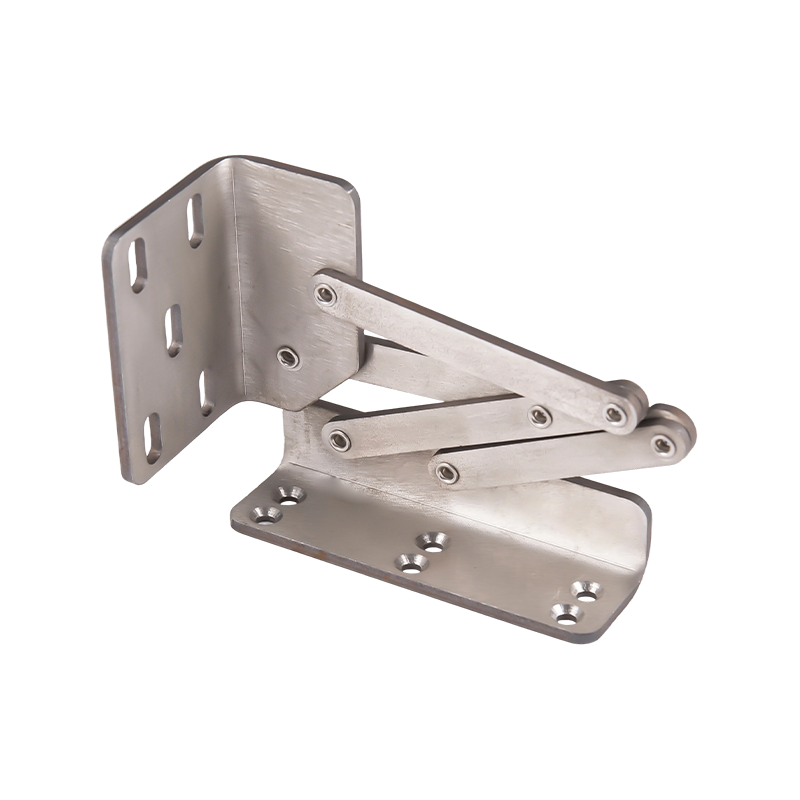
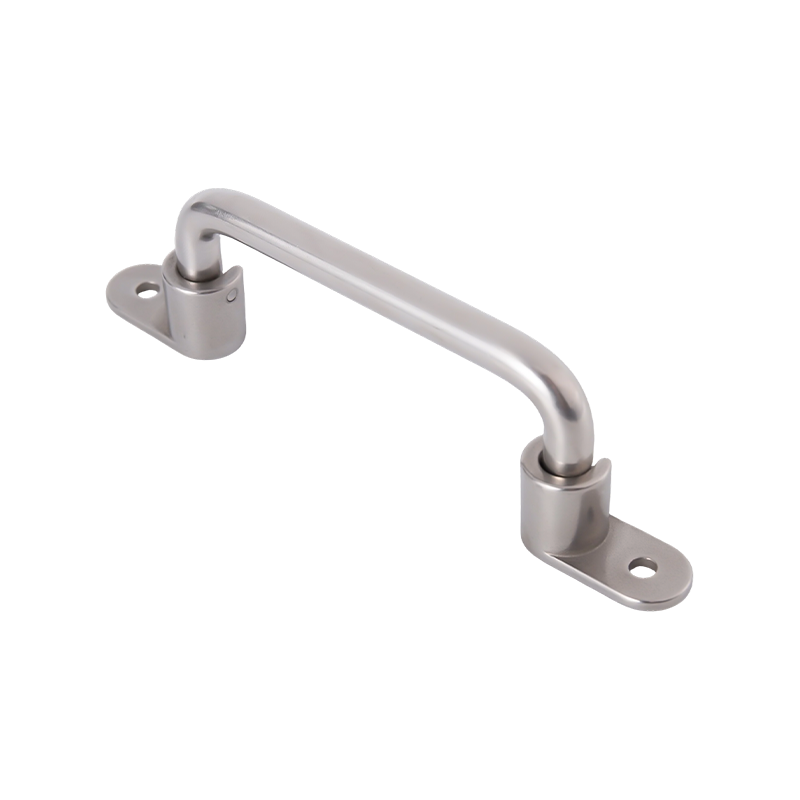
Hardware deserves a final note of its own. A cabinet is operated through its handles and hinges every working day, so handle strength, door balance, and hinge life show up quickly in field feedback and should be treated as engineering decisions rather than afterthoughts.
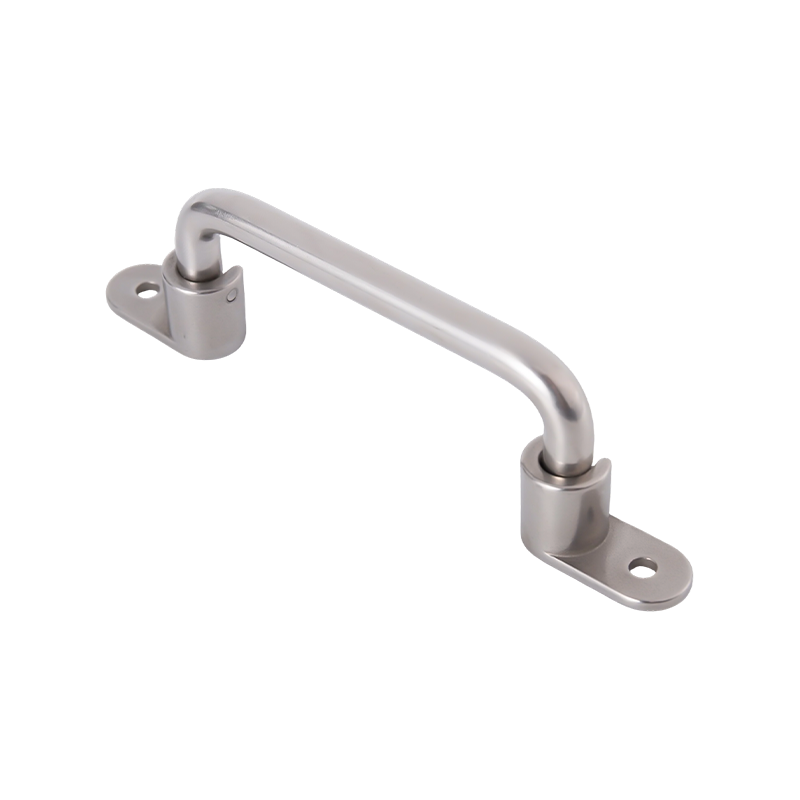 Sheet Metal Cabinet HandlesErgonomically designed handles in quality sheet metal with brushed or spray-coated finishes for corrosion and wear resistance. Since handles and hinges are operated daily and affect door balance and grip comfort, they deserve consideration as engineering choices rather than afterthoughts.View Product →
Frequently Asked Questions
What is the main difference between an electrical box and an electrical cabinet?
Scale and duty. A box protects passive connections such as wire splices and terminals, while a cabinet houses active equipment such as breakers, drives, and controllers, which brings mounting plates, frame stiffness, and heat management into the specification.
Which IP rating do I need for an outdoor installation?
IP65 is a sensible baseline against rain and dust, and IP66 adds protection against driving rain and washdown. Also confirm that the gasket material suits the site's UV exposure and temperature range.
What sheet thickness should I specify?
As a working range: 0.8 to 1.2 mm for small boxes and terminal enclosures, and 1.5 to 3.0 mm for cabinet bodies and doors, depending on door width and component load.
Can I order custom enclosures in small batches?
Yes. Laser cutting and CNC bending require no hard tooling, so prototype and small-batch orders are practical. Stamping becomes the economical choice once volumes are stable and sustained.